Leave Your Message
In the contemporary realm of civil engineering and industrial construction, structural integrity is non-negotiable. As projects scale to unprecedented heights and complexities, structural engineers and project managers are continuously seeking innovative fastening solutions. The global market is witnessing a massive transition from conventional welding and heavy bolting toward advanced blind riveting solutions—specifically, Trifold Blind Rivets.
Heavy-duty construction projects, ranging from skyscraper steel facades to massive solar tracking arrays, require fasteners that can withstand high dynamic loads, severe vibrations, and extreme environmental conditions. Trifold blind rivets, also known as bulb-tite or triple-fold rivets, have emerged as the industry standard. This technological shift is driven by the need to optimize installation time, reduce labor costs, and ensure consistent, fail-safe mechanical joint performance across diverse materials.
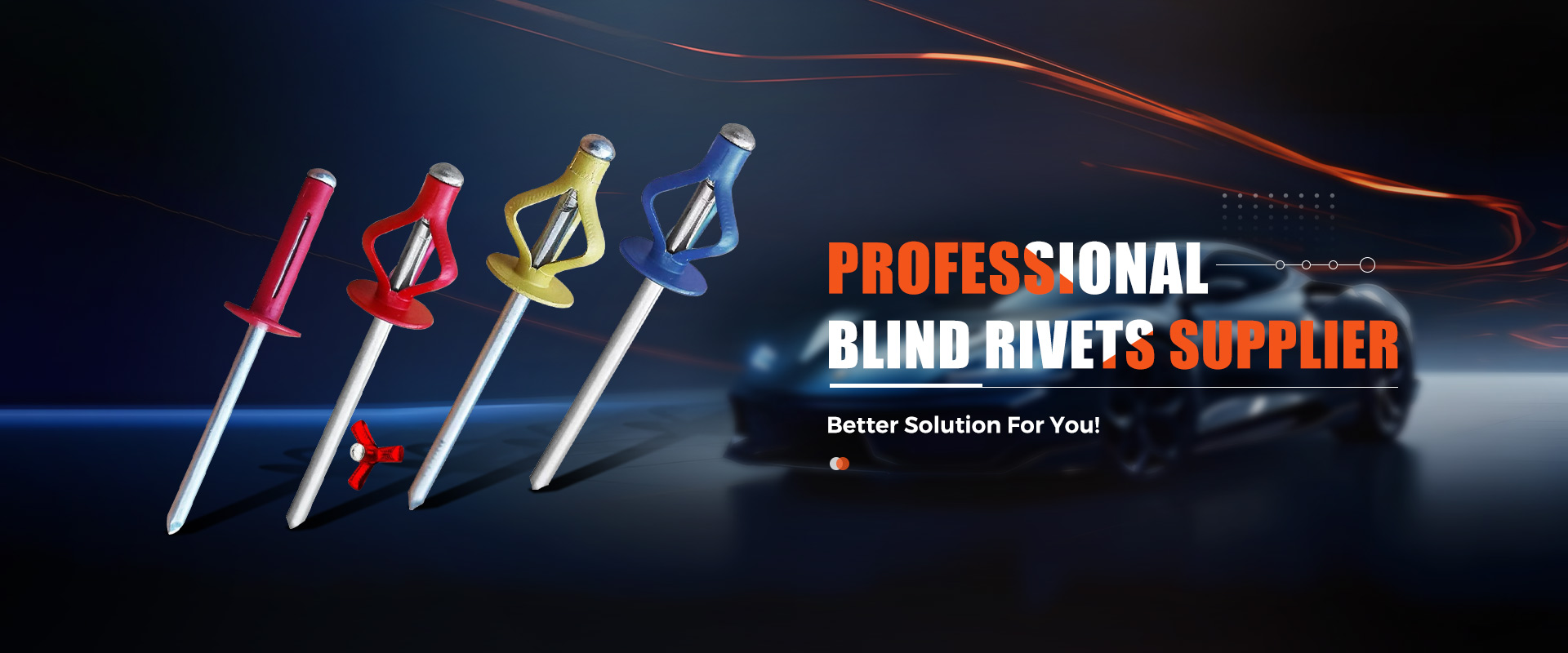
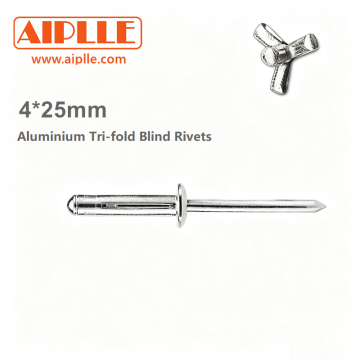
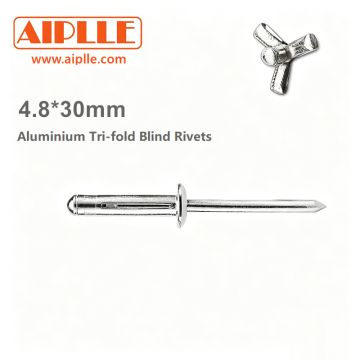
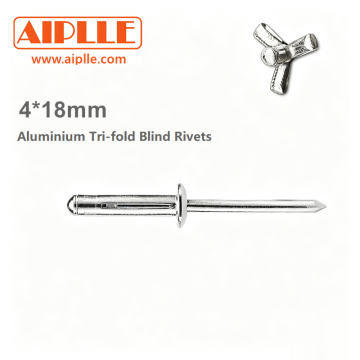
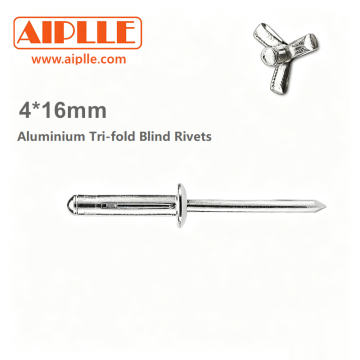
The unique operational mechanism of a Trifold Blind Rivet sets it apart from standard dome-head blind rivets. During the installation cycle, as the mandrel is pulled by the installation tool, the body of the rivet folds into three individual "wings" or "petals" on the blind side. This folding action creates an exceptionally large blind-side closing head, which distributes the clamping force over a significantly wider surface area.
By splitting into three distinct wings, the rivet spreads the load evenly. This prevents localized stress concentration, making it ideal for joining thin sheet metals, brittle composites, and plastics without causing cracking or deformation.
Traditional rivets can easily pull through soft or thin materials under heavy tension. The expanded footprint of the trifold rivet ensures robust mechanical interlocks, even under severe wind uplift or seismic forces.
Once set, the mandrel head is securely retained within the rivet body. This positive mechanical lock prevents the mandrel from loosening or falling out under the continuous vibration typical of industrial environments.
This structural design is particularly critical for heavy-duty construction projects where materials of varying thicknesses and mechanical properties must be fastened together securely. From high-wind load metal roofs to heavy vibration-prone HVAC installations, the trifold mechanism delivers unparalleled reliability.
Understanding where and why these specialized fasteners are deployed highlights their engineering value. Below are four key scenarios where Trifold Blind Rivets serve as the backbone of structural assembly:
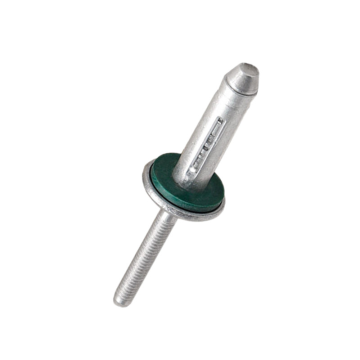
Metal building envelopes are subjected to intense thermal expansion, contraction, and severe wind-uplift pressures. Standard screws can strip out of thin metal purlins over time, leading to roof failure. Trifold rivets provide a wide-area grip that securely clamps metal sheets to structural frameworks. When fitted with integrated EPDM washers, they also form a highly durable, watertight seal, preventing moisture ingress and subsequent galvanic corrosion.
Utility-scale solar farms are built to last for decades in harsh, open environments. The mounting racks and tracking mechanisms are continuously exposed to dynamic wind loads and vibrations. Trifold rivets are extensively used to fasten aluminum brackets to steel supports. Their high shear and tensile strength, combined with corrosion-resistant aluminum alloys, ensure that the solar panels remain rigidly fixed throughout their operational lifespan.
The modern construction sector is shifting rapidly toward off-site prefabrication to accelerate project timelines. In modular factory environments, high-speed assembly is crucial. Trifold blind rivets allow operators to quickly and securely join steel wall panels, composite floor decks, and ceiling assemblies from one side of the structure (blind-side fastening). This eliminates the need for complex welding, reducing both manufacturing time and hazardous emissions.
Industrial ventilation systems, dust collectors, and heavy air conditioning units generate continuous low-frequency vibrations. Conventional fasteners can back out under these conditions, leading to structural loosening and air leaks. The positive mandrel retention of trifold rivets ensures that connections remain structurally sound and airtight over years of continuous operation.
As the construction industry moves towards automation, digitalization, and green building standards, fastening technologies are evolving concurrently. Several key trends are shaping the future of heavy-duty blind riveting:
WUXI AIPLLE METAL PRODUCTS CO., LTD. remains at the forefront of these advancements, continuously refining our manufacturing processes and materials to deliver next-generation fastening solutions that meet the rigid demands of tomorrow's infrastructure.
Get in touch with our engineering team for customized fastening solutions and competitive volume pricing.
Explore how our high-performance trifold rivets have been successfully integrated into critical infrastructure projects globally.

Providing high-vibration resistance and rapid installation for over 50,000 solar panel tracking brackets.
View Case Study
Securing heavy composite aluminum panels onto high-wind load structural steel skeletons.
View Case Study
Ensuring watertight and robust fastening for massive industrial warehouse roofing structures.
View Case Study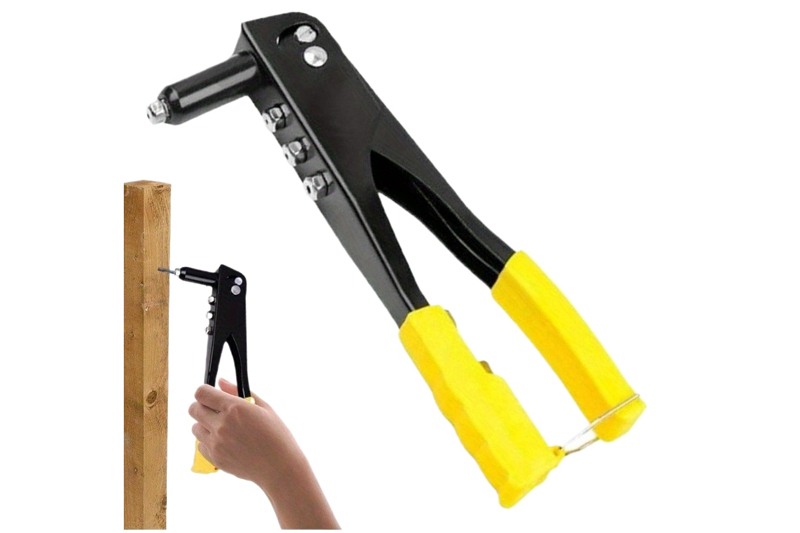
Learn how to maintain consistent air pressure and flow rates to ensure perfect installation quality of heavy-duty trifold rivets...
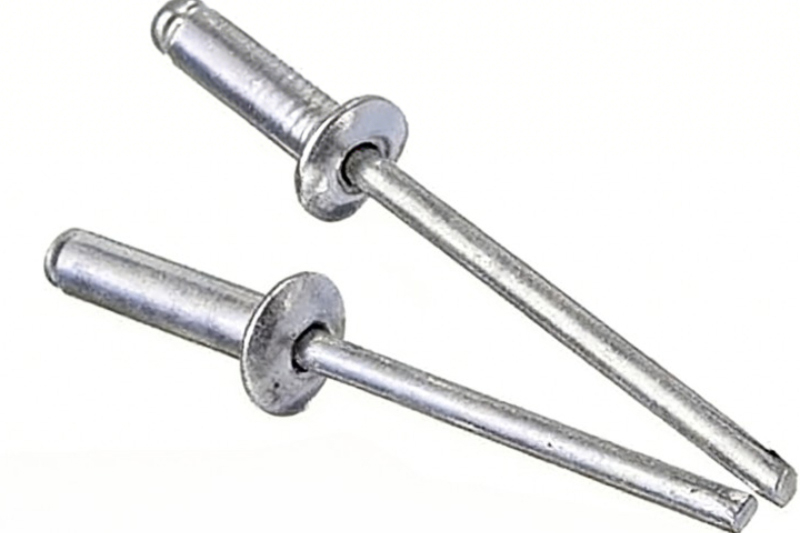
A comprehensive technical guide comparing standard blind rivets, multigrip rivets, and high-performance structural trifold rivets...
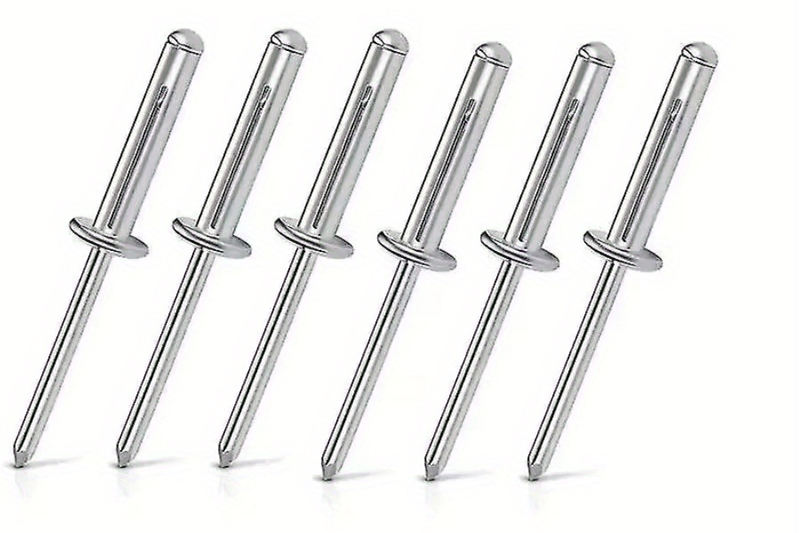
Understanding the mechanical properties, material compatibilities, and shear load capabilities required for modern building codes...
Precision-engineered fasteners designed for superior mechanical performance in demanding environments.
WUXI AIPLLE METAL PRODUCTS CO., LTD. is a leading global manufacturer specializing in high-strength blind rivets, rivet nuts, and customized structural fastening solutions for industrial and commercial sectors.