Leave Your Message

Blog

7 Tips for Aluminium Tri Fold Blind Rivets for Trucks

7 Tips for Aluminium Tri Fold Blind Rivets for Trucks

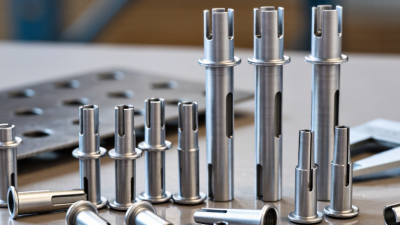
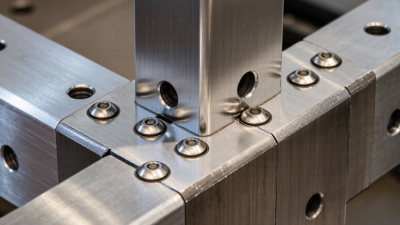
Picking the right fastener can really make or break whether a truck body stays secure after thousands of kilometers on the road. Take Aluminium Tri-Fold Blind Rivets for Trucks, for example — they have a wide backside expansion, which is super handy when you're working with thin, hollow, or hard-to-reach panels. Their unique three-fold design spreads out the clamping force over a larger area, which is a big deal for sidewalls, service boxes, trailers, and lightweight body panels. Michael Turner, who's a Senior Applications Engineer over at RivetPro Systems, puts it simply: "Fasteners should be chosen based on the joint conditions, not just how they look." His advice? Always, always check the grip range, hole quality, and the environment you'll be working in before you even start installing. It’s a practical approach backed by years of testing on actual commercial vehicles and repair fleets. Because, honestly, a rivet might look sturdy, but if the grip length isn’t right, it could fail. Small details really do make a difference. Before you go installing Aluminium Tri-Fold Blind Rivets, take a moment to measure the combined thickness of the panels carefully. Double-check the recommended hole size, and don’t forget to clean out any burrs or loose paint around the opening. Once you set the rivet, inspect the backside — it should form an even, tight fold without cracking the sheet. That’s the key to a good, lasting hold. And don’t overlook corrosion. Aluminum bodies might seem simple, but they often include steel brackets, washers, or painted areas that can cause galvanic reactions if moisture gets trapped. Using compatible materials and protective coatings is your best bet. Some folks also look at hemlock blind rivets for trucks, especially when vibration resistance or a tighter joint control is needed. The bottom line? The best rivet choice really depends on what you’re working on, not just marketing hype. One thing that’s often overlooked? The tools for installation. If your nosepiece isn’t set correctly, you run the risk of loose rivets or damaged heads. Even seasoned pros slip up sometimes. Taking a quick look after installation can save you from costly rework down the line. These tips—covering fit, load distribution, corrosion prevention, tool setup, and long-term durability—are all about helping you do the job right the first time.
Read more »
Sophie By:Sophie - October 4, 2026
How to Find the Best Aluminium Tri Fold Blind Rivets Price?

How to Find the Best Aluminium Tri Fold Blind Rivets Price?

Finding a good deal on aluminium tri-fold blind rivets isn’t just about comparing prices on supplier websites. You gotta make sure those rivets match your specific needs—like sheet thickness, hole size, grip range, and the load your final assembly will handle. Sometimes, a cheap quote might not include all the extra costs—think tooling, freight, packaging, or inspection. The real price only becomes clear once you’ve nailed down all those details. Most experienced buyers ask for a full quote from each reputable manufacturer. That means requesting certificates of materials, detailed drawings, info on production capacity, surface finishing details, and batch inspection records. Things like the type of aluminium alloy, the mandrel material, rivet head style, and corrosion protection can all impact both how the rivet performs and how much it costs. It’s a great idea to test samples in real conditions—what looks fine on the bench might not hold up during vibration or installation. And honestly, don’t fall for price alone. Cheap isn’t always better. Reliability from your supplier really counts, too. Check how fast they respond, how traceable their process is, their delivery track record, and how good their after-sales service is. Some folks just Google “hemlock blind rivets price,” but beware—what pops up might be for a different product, brand, or specs. Always confirm exactly what type of rivet you’re comparing before making any decisions. Mixing up quotes for different types can lead to false savings and headaches down the line. A thorough comparison isn’t just about the unit price. Make sure to look at minimum order quantities, tooling costs, delivery times, payment terms, and policies on replacements. Also, think about installation—some tri-fold rivets provide better back-side expansion, which can really help secure softer materials if chosen correctly. But don’t just trust marketing claims—check those against real test data and your actual application needs. This advice is based on practical experience when sourcing rivets. Keep in mind, market prices fluctuate with aluminium costs, order sizes, and regional logistics. So, always double-check everything carefully before pulling the trigger.
Read more »
Clara By:Clara - October 1, 2026
7 Tips for Buying Aluminum Tri Fold Pop Rivets

7 Tips for Buying Aluminum Tri Fold Pop Rivets

Picking the right fastener can actually make all the difference—whether a panel stays securely in place or starts rattling after a bit of vibration. Aluminum Tri-Fold Pop Rivets are awesome for blind-side installations, especially when you don’t have much access. Their clever three-part expansion helps spread the clamping force evenly across thin, soft, or brittle materials. That detail really matters, especially when you're working on trailers, ventilation panels, signs, furniture, or lightweight enclosures. Industry reports back this up, showing there's still strong demand for the right fasteners in construction, transportation, and manufacturing. Sites like Grand View Research point out that lightweight materials are a big deal, especially in automotive applications. And the International Aluminium Institute keeps emphasizing aluminum’s important role in transport and engineered products because it’s light and highly recyclable. But here’s the kicker—this doesn’t mean every rivet is suitable for every job. It just makes paying attention to specs that much more important. In this guide, I’ll share seven practical tips for buying Aluminum Tri-Fold Pop Rivets. We’ll talk about things like rivet diameter, grip range, mandrel design, head style, alloy compatibility, packaging, and how reliable your supplier is. Always take a close look at the joint. For example, a 4.8mm rivet might work perfectly for one panel but could fail if the combined material thickness changes. Using All Aluminum Tri-Fold Blind Rivets can help minimize galvanic corrosion in aluminum assemblies, but don’t forget to check surface conditions too. And don’t assume the cheapest box is the best deal—that’s a mistake. It’s worth reviewing published test data, ISO standards, batch consistency, and even installation results before placing a big order. Doing a small trial run can highlight issues like pull-through, loose stems, or uneven expansion, which can save a lot of headaches later. Sure, practical experience helps, but relying on documented evidence is the smarter way to go.
Read more »
Sophie By:Sophie - September 30, 2026
China Best Structural Rivets Manufacturer and Supplier

China Best Structural Rivets Manufacturer and Supplier

When it comes to Structural Rivets, these tiny but mighty parts have a pretty tough job—holding together structural members while managing vibrations, loads, and lots of repeated use. And let’s be real: picking a supplier in China isn’t just about comparing prices per unit. You gotta dig deeper—check what materials they offer, whether their dimensions are consistent, what their installation process looks like, and how they handle quality control with traceability. A rivet that looks perfect in a sample can still fall flat once installed if its grip range or fit isn’t right. The devil’s in the details, you know? William C. Bickford, a guy known for his expertise in bolted joint design, offers some pretty solid advice on connection engineering. His main point, simplified, is: “A dependable connection depends on the whole joint, not just one fastener.” That’s a useful way to think about evaluating Structural Rivets, too. When talking to manufacturers, ask how they control forming, inspect finished parts for proper dimensions, and keep detailed records of material specs. Always request samples that match your actual project needs, and test fit and install them with your engineering team before committing. Having a shiny catalog doesn’t automatically mean they can deliver quality consistently. In this guide, we’ll walk through how to compare manufacturers and suppliers of Structural Rivets based in China. We’ll cover everything from their product offerings and process controls to how well they communicate and handle sample testing. Keep in mind, there are trade-offs—getting a lower price might mean longer lead times, and custom jobs often require more review. No single supplier is perfect for every project. Clear drawings, realistic specs, and asking direct technical questions will help you pick the right partner. And hey, sometimes you’ll need to double-check a little detail before moving forward.
Read more »
Sophie By:Sophie - September 26, 2026
How to Choose the Right Threaded Rivet?

How to Choose the Right Threaded Rivet?

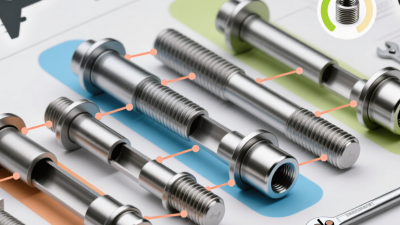
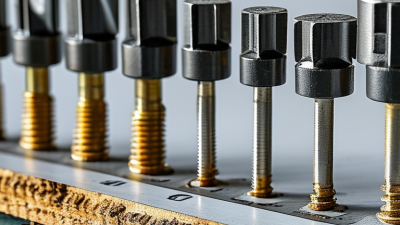
Picking the right Threaded Rivet might seem like a small detail, but it actually plays a big role in how reliably your assembly holds together. If you choose the wrong type, it can spin, come loose, crack, or even mess up a thin panel. So, getting it right is all about matching the rivet to the material, hole size, grip range, thread standard, and how you're planning to install it. Industry stats back this up. According to Grand View Research’s Fasteners Market Size, Share & Trends Analysis Report for 2024–2030, the biggest demand is coming from the automotive, aerospace, construction, and industrial equipment sectors. These fields are leaning more and more toward lightweight joining options and steady, high-quality production. And MarketsandMarkets keeps saying that advanced fastening systems are still on the rise, mainly thanks to automation, lighter materials, and the need to speed up assembly lines. Remember though, these reports are more about market trends — they don’t replace doing your own testing for your specific application. When it comes to fitting your rivet, fit really does matter. In real-world production, engineers usually start by looking at the base material. For example, aluminum panels often need a gentler installation process, while steel structures can handle more torque and stronger rivets. If you're using stainless steel, it can help resist corrosion, but it might also bump up costs and make installation a bit trickier. Pay close attention to the thread size and grip range too. Using a rivet that's too short might not form properly, and one that’s too long could cause uneven clamping or internal interference. ISO 15977 and other standards for fasteners can help guide your specifications, but keep in mind — not every situation fits perfectly into those standard tables. That’s a key limitation to be aware of. This guide will walk you through how to compare different Threaded Rivet materials, profiles, load needs, installation tools, and supplier info — all before making your final call. It’s a good idea to do some sample testing, torque checks, and a quick visual inspection to make sure you’re making the right choice.
Read more »
Lila By:Lila - September 23, 2026
How to Choose the Right Structural Rivets?

How to Choose the Right Structural Rivets?

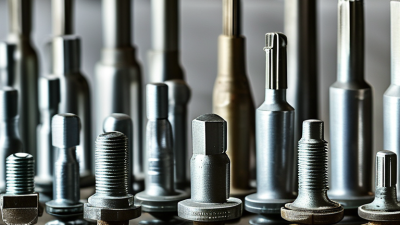
Picking the right Structural Rivets isn’t just about flipping through a catalog — it really starts with understanding the joint itself. Things like rivet diameter, the alloy used, grip range, hole quality, and the installation process all need to come together seamlessly. Even a tiny mismatch can lead to looseness, distortion, or worse, hidden fatigue damage that shows up down the line. Honestly, opting for the cheapest rivet can end up being a costly mistake — sometimes way more expensive than you’d think. If you’ve looked into the FAA’s Aviation Maintenance Technician Handbook—Airframe or Advisory Circular AC 43.13-1B, you’ll see they stress the importance of proper hole prep, material compatibility, maintaining proper edge distances, and thorough inspections. These aren’t just aviation rules — their principles make sense in pretty much any industry. Industry reports from Grand View Research and MarketsandMarkets highlight that sectors like aerospace, automotive, construction, and heavy equipment have a huge demand for advanced fastening systems. The push is towards solutions that are stronger, lighter, and resistant to corrosion. But just because the market is booming doesn’t mean every rivet suits every project — you gotta choose wisely. John H. Bickford, a real expert in fasteners, always reminds folks: “The joint — not just the fastener — has to carry the load.” That’s a key point that should guide all your choices. Sure, a stainless steel rivet resists corrosion nicely, but it might not play well with aluminum, which could cause problems. On the flip side, a high-strength rivet might boost your capacity, but it could require better tools and more careful inspections. The truth is, hands-on experience really matters here. And so does a little humility — drawings aren’t always perfect, and sometimes you might misunderstand supplier info. Even seasoned teams can fall into the trap of choosing based on habit rather than what’s actually best. This guide walks you through how to compare different Structural Rivets based on engineering specs, service conditions, installation realities, and verification records. It’s not just about making something look secure — it’s about making sure that joint stays reliable after all the vibration, moisture, thermal cycles, and years of maintenance it’s gonna face.
Read more »
Clara By:Clara - September 20, 2026
Why Use Threaded Rivet Nuts for Strong Reliable Fastening?

Why Use Threaded Rivet Nuts for Strong Reliable Fastening?

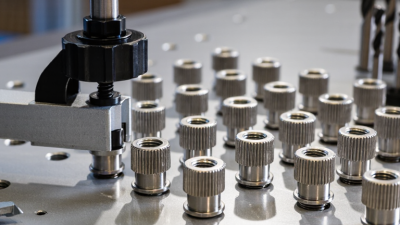
Ever wondered why you'd choose Threaded Rivet Nuts for reliable, strong fastening? Well, in today's product design world, it’s not just about holding two panels together. Manufacturers want something that’s repeatably strong, easy to install, and performs reliably over time. That’s where threaded rivet nuts come in—they provide internal threads in really thin sheet metal, tubing, or even composite panels—without needing access from behind the panel. Pretty handy, right? This small but mighty advantage can really simplify how you assemble equipment frames, vehicle interiors, electrical enclosures, and even some repairable consumer products. And it’s not just me saying this—market research backs it up. According to Grand View Research, the global industrial fasteners market hit around 84 billion dollars in 2023 and is expected to keep growing up to 2030. MarketsandMarkets also points out that lightweight construction and modular setups are driving demand. Now, of course, not every single application needs rivet nuts, but these reports show why many manufacturers are chasing faster, more flexible ways to put things together. John G. Bickford—who’s pretty much an authority on bolted joint engineering—once said, “The design of a bolted joint is not a simple matter.” That hit home. A rivet nut can spin, pull out, or lose grip if the parent material, hole size, or installation force isn’t just right. The trick is choosing the right style, thread size, material, and setting tool. For example, a steel insert in a thin aluminum panel behaves quite differently from a stainless insert in a reinforced composite—so, yeah, attention to detail matters. And let’s be real—there’s no such thing as a magic fastener here. Threaded rivet nuts still need to be tested. When you choose the right type and do your homework, they can create durable threads, make assembly easier, and support simple maintenance. But before jumping to production, it’s super important to check things like pull-out strength, torque requirements, vibration resistance, corrosion, and how well the installation process works. Taking that extra step ensures that what you’re using is not just convenient, but also strong and reliable in the long run.
Read more »
Sophie By:Sophie - September 16, 2026
How to Choose the Right Structural Blind Rivets?

How to Choose the Right Structural Blind Rivets?

Picking the right Structural Blind Rivets isn't just about flipping through a catalog — it really starts with understanding the joint you're working with. Honestly, a lot of folks jump straight to the specs without considering the actual conditions on the job. Did you know that, according to Grand View Research, the global fasteners market was worth around USD 90.94 billion in 2023? And it’s only expected to grow through 2030, fueled by construction, transportation, and heavy industry. That means more options, sure, but it also means more chances to pick the wrong rivet. Something that looks like it’ll do the job might actually fail — especially if it’s exposed to vibrations, rust, or if the sheet metal shifts a bit. So, here’s a tip — start by assessing the actual joint conditions. Measure the total thickness of all the materials involved, including coatings and washers. Then, match that to the rivet’s grip range. If the grip's too loose, the mandrel might not stay put, and if it's too big, it could crush the sheets. Make sure to check all the important stuff like shear and tensile strength, head style, and how well the mandrel stays in place — don’t just pick based on diameter alone. Material compatibility is also a big deal. Aluminum rivets are lightweight, which is nice, but steel or stainless steel might give you extra strength and resistance to higher temperatures. Just keep in mind that using different metals together can lead to galvanic corrosion, especially if it’s a wet environment. Protective coatings can help, but they’re not a magic fix — you really need to test the application first. When it comes to testing, standards like ISO 14589 are recognized internationally for evaluating rivet performance. The International Fastener Institute offers good guidelines on dimensions and performance for different fasteners too. These resources can definitely help you make smarter engineering choices, but remember—they don’t replace actual testing on your joint. And don’t forget to give the finished assembly a good look-over. Check if the head sits properly, the sheets aren’t separating, the mandrel is in the right spot, and there’s no unexpected deformation. Sometimes those tiny details can make all the difference. Honestly, no single type of Structural Blind Rivet works perfectly for every scenario. It’s worth comparing supplier test reports, tolerances, and field conditions before giving the green light. Sure, taking your time now might seem slower, but rework later definitely isn’t!
Read more »
Clara By:Clara - September 13, 2026
10 Best Aluminum Rivets for Global Buyers?

10 Best Aluminum Rivets for Global Buyers?

Picking the right Aluminum Rivets isn’t just about comparing prices. It’s a bit more complicated than that. If you’re buying from all over the world, you’ve gotta consider things like the alloy type, diameter, grip range, head shape, mandrel quality, and how well it resist corrosion. A rivet that works great in a dry workshop might totally fail in salty environments, with heavy machinery, or during outdoor transport. So, it’s worth paying attention. As fastening expert James R. Dwyer, who’s an independent consultant for industrial manufacturers, puts it: “Reliable riveting starts with matching the rivet to the joint, not the other way around.” Basically, aluminum rivets aren’t all the same—they differ in strength, flexibility, how much force they need for installation, and whether they work well with steel or aluminum sheets. It’s not a one-size-fits-all deal. In this guide, I’ve rounded up ten aluminum rivets that are suitable for real-world buying scenarios. We’re looking at common grades like 5052, 5056, and 2117 aluminum, and exploring different styles—like open-end versus closed-end, countersunk versus dome heads, and the usual sizes used across global supply chains. While ISO and ASTM standards matter, the truth is, having the specs alone doesn’t guarantee how they’ll perform in actual use. Don’t forget to ask for batch traceability, and be sure to double-check the grip range—it's one of those details that can trip you up. Sometimes a rivet looks super sturdy but might not be what you need. Some might resist corrosion well but have lower shear strength, while others install fast but come with inconsistent mandrels or unclear packaging. Those little weaknesses can cause headaches later. When choosing, also pay attention to how well the supplier communicates, whether the dimensions stay consistent, if they offer sample testing, and what kind of after-sales support they provide. These little things can save you from costly rework when thousands of rivets arrive at your factory. That said, no list is perfect—conditions vary, and lab tests can only tell you so much. The best approach? Use this as a solid starting point, then do your own testing on the actual materials before making big orders.
Read more »
Lila By:Lila - September 10, 2026
Top 10 Benefits of Using Threaded Rivet Nuts in Projects?

Top 10 Benefits of Using Threaded Rivet Nuts in Projects?

In the world of industrial assembly, you know how much the reliability and efficiency of the parts really matter — they can make or break a project. One thing that's been making waves lately is Threaded Rivet Nuts. These little guys are pretty much a game changer for lots of different applications, offering some pretty cool advantages that can seriously speed up production. I read a report from the Fastener Technology Institute that says using high-quality threaded fasteners can cut down assembly time by around 30%. That’s pretty huge, and it’s catching the eye of folks in the industry who are all about optimizing their processes. John Smith, who’s pretty much an expert when it comes to fastening tech at Rivet Fasteners Co., stresses how important it is to pick the right parts: “Using Threaded Rivet Nuts really boosts joint strength and makes installation a whole lot easier.” His words really highlight how more and more industries, whether it’s mechanical assembly, automotive, or aerospace, are relying on these modern fasteners. That said, choosing the right threaded rivet nuts isn’t always straightforward. There can be pretty big differences in quality depending on who you buy from, and sometimes engineers find it tricky to decide which type best fits their specific needs. As the market continues to develop, getting a good grip on the pros and cons of Threaded Rivet Nuts is pretty much essential if you want your project to succeed.
Read more »
Clara By:Clara - August 27, 2026
What is Aluminium Rivets and How to Choose the Best Ones?

What is Aluminium Rivets and How to Choose the Best Ones?

Aluminium rivets have really become a go-to in so many industries, and honestly, it's easy to see why. They're lightweight but super durable, making them a popular choice everywhere. I remember talking to Dr. Emily Turner from Rivet Masters Inc., who’s pretty much an expert on fastening solutions, and she put it simply: "Picking the right aluminium rivets can make a huge difference in how well things perform and how safe they are." That really hits home—the importance of making smart choices when you're selecting rivets. When you're trying to pick out aluminium rivets, it’s so important to understand what you’re actually working on. Different projects call for different things—like whether they need to handle a lot of weight or if they’re going to be exposed to weather and the elements. Sadly, a lot of folks overlook these details, which can lead to some pretty costly mistakes. For example, using the wrong type of aluminium blind rivets can cause structural problems or even a complete failure—nobody wants that! And let's not forget, knowing your options can really help steer you in the right direction. There are various styles out there—like solid rivets versus blind rivets—and each one is suited for different jobs. Sometimes, people underestimate what a difference the right type can make, which can lead to issues down the line. If you keep these things in mind, it’ll definitely help you avoid headaches and make sure your fastening job turns out just right.
Read more »
Sophie By:Sophie - August 24, 2026
Top Steel Blind Rivets for Your Industrial Needs?

Top Steel Blind Rivets for Your Industrial Needs?

In the world of industrial fastening, you’ll often see Steel Blind Rivets standing out as some of the most essential parts around. These guys are built tough — designed for strength and durability — and they play a super important role in all sorts of projects. Companies like RivetTech Industries really know their stuff when it comes to making these sturdy fastening solutions. People trust their products, especially in tough conditions where reliability isn't just nice to have — it’s a must. But here’s the thing: picking the right Steel Blind Rivets isn’t just about grabbing a brand off the shelf. You’ve gotta understand what specs match your project. Things like the material’s strength, the environment where they’ll be used, and how much weight they need to hold all matter big time. If you pick the wrong ones, it can lead to structural issues or even costly rework — nobody wants that. So, it’s definitely worth chatting with knowledgeable suppliers and really exploring your options. And even with the best rivets, there are still some pitfalls to watch out for. For example, how you install them makes a big difference. If they’re not aligned right or placed improperly, those joints might end up super weak. It's a good idea to double-check installation guides and follow best practices. When you pay attention to these details, you can really get the most out of your Steel Blind Rivets. They’re not just simple fasteners; they play a key part in making sure modern structures stay safe and solid.
Read more »
Lila By:Lila - August 21, 2026