Leave Your Message
Engineered for single-sided installation into thin-walled sheet metal where tapping threads is mechanically impossible, providing exceptional spin-out resistance and permanent load-bearing capabilities.
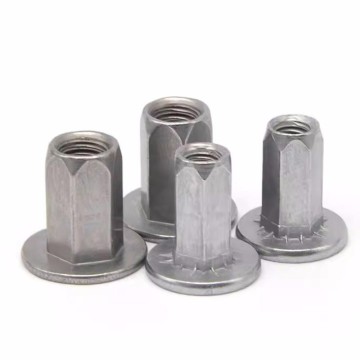
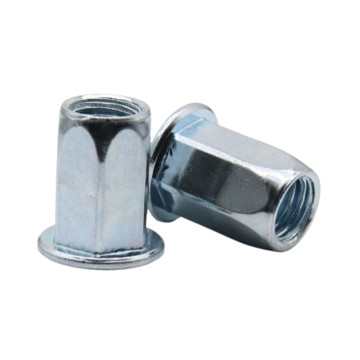
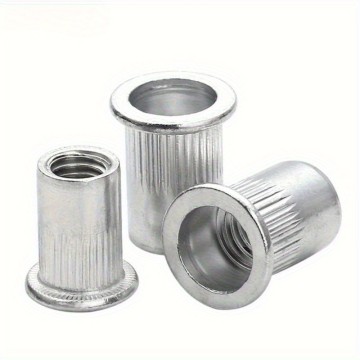
How modern mechanical assembly is replacing traditional fusion weld nuts and pressed clinch hardware with high-efficiency blind threaded rivet nuts across global supply chains.
With aerospace, e-mobility, and electrical enclosure manufacturers downgauging metal thickness from 3.0mm to under 0.8mm, conventional thread tapping causes stripping. Blind rivet nuts form robust, multi-thread female anchors without compromising base substrate integrity.
Unlike projection welding or resistance weld nuts that introduce severe heat-affected zones (HAZ), spatter, surface warpage, and post-weld thread re-tapping, cold-set threaded rivet nuts preserve prepainted, electro-galvanized, and powder-coated sheet metal finishes.
Modern robotic assembly cells and pneumatic-hydraulic auto-feed setting tools install rivet nuts in under 2.5 seconds per point with single-operator, single-sided blind access, cutting total plant installation labor and tooling overhead by up to 60%.
In modern precision sheet metal manufacturing, the commercial imperative to lower overall component mass while maximizing structural safety has transformed industrial fastening paradigms. Traditional manufacturing relied extensively on weld nuts or standard through-bolts requiring dual-sided access. However, in closed structural tubes, automotive unibody hydroformed rails, extruded aluminum chassis, and sealed architectural facades, backside access is completely obstructed.
Threaded rivet nuts—often designated as blind rivet nuts or threaded inserts—solve this fundamental engineering hurdle. Fabricated via advanced multi-station cold heading processes, these fasteners are inserted from the front side of a workpiece and collapsed via an axial drawing stroke. This forms a bulbous backside upset (blind-side bulge) that clamps the sheet metal firmly between the fastener head and the deformed body, providing high-tensile, high-torque metric and unified internal threads.
Furthermore, modern industrial fabrication trends mandate adherence to rigorous environmental and surface treatment mandates. The surge in pre-finished coils, pre-anodized aluminum profiles, and composite sandwich panels renders welding obsolete due to smoke emission, coating burning, and joint embrittlement. Threaded rivet nuts operate as purely mechanical cold-deformation joints, ensuring that pre-coated substrates retain 100% of their anti-corrosion barrier and aesthetic luster.
Understanding geometry parameters, body configurations, and metallurgy ensures superior joint clamp integrity under severe dynamic loads, thermal shock, and vibration.
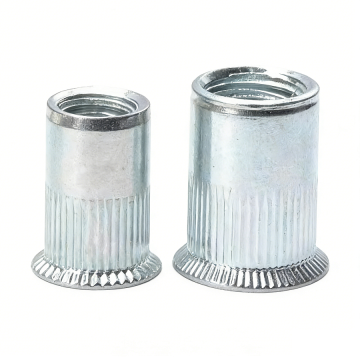
Selecting the ideal body geometry directly governs the fastener's ultimate spin-out resistance (torque-to-turn performance):
Head style dictates the load distribution across the mating interface and the flushness of the final metal assembly:
Open-end rivet nuts allow the mating screw to pass completely through, accommodating long male fasteners and variable bolt lengths. Conversely, closed-end (blind seal) rivet nuts feature a solid, fully encapsulated bottom that prevents the ingress of moisture, motor oils, cleaning solvents, cutting fluids, and air, vital for IP67/IP68 sealed battery enclosures and pressurized tanks.
| Body & Head Type | Hole Preparation | Spin-Out Resistance | Push-Out Resistance | Primary Industrial Use Case |
|---|---|---|---|---|
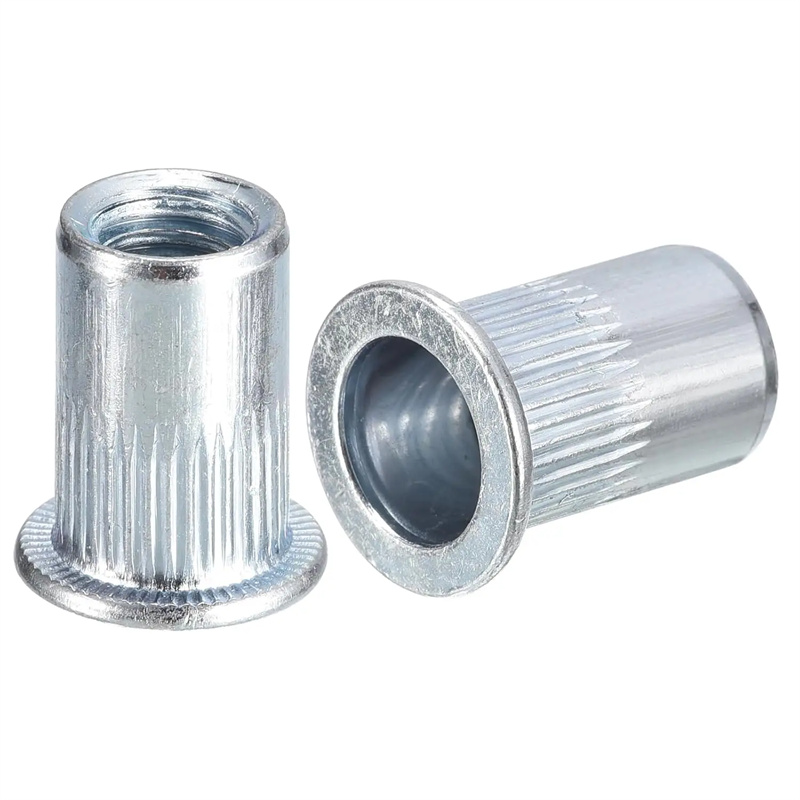
| Flat Head Knurled | Drilled / Punched Round | Medium - High | Maximum | HVAC units, electrical enclosures, sheet metal brackets |
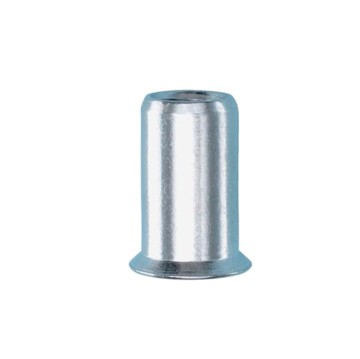
| Countersunk Open End | Punched + Countersunk | Medium | Medium | Aircraft interior skins, sliding drawer cabinets, elevators |
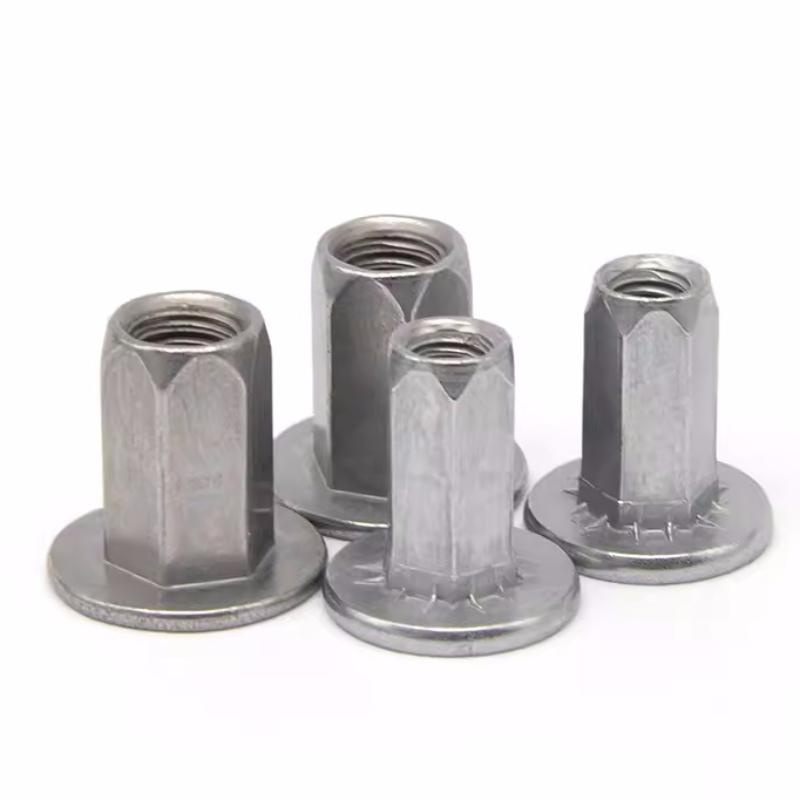
| Full Hexagonal Body | Hex Punched / Laser Cut | Extreme (Interlocking) | High | EV battery trays, automotive chassis, railway frames |
| Closed-End Hex/Round | Punched Round / Hex | High | High (Sealed) | Marine vessels, hydraulic fluid reservoirs, EV pack IP68 lids |
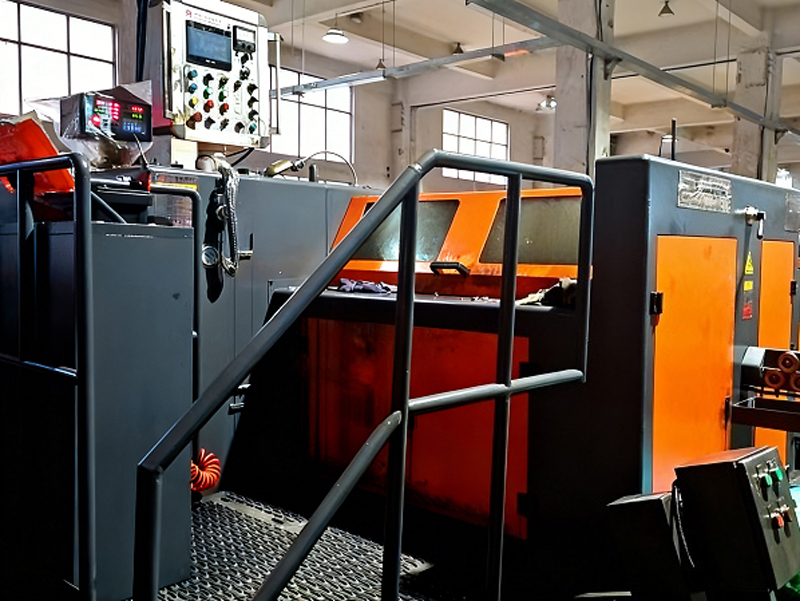
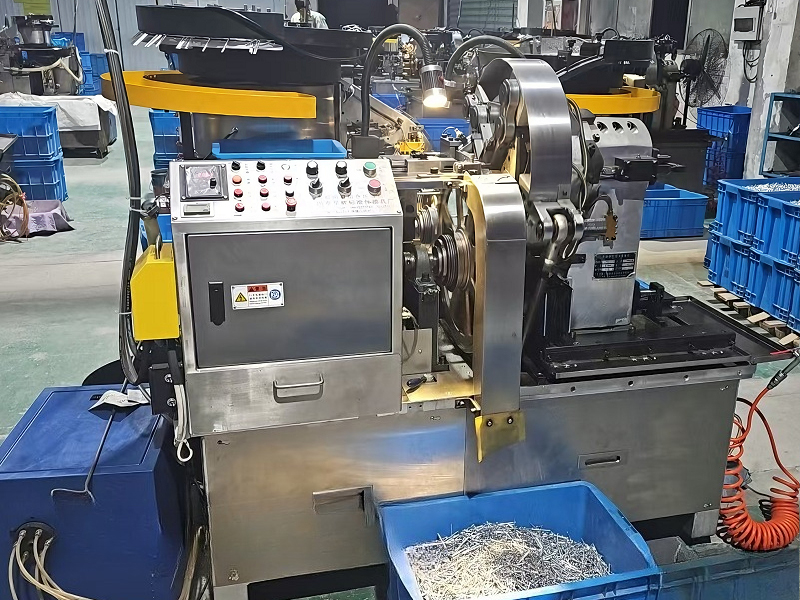
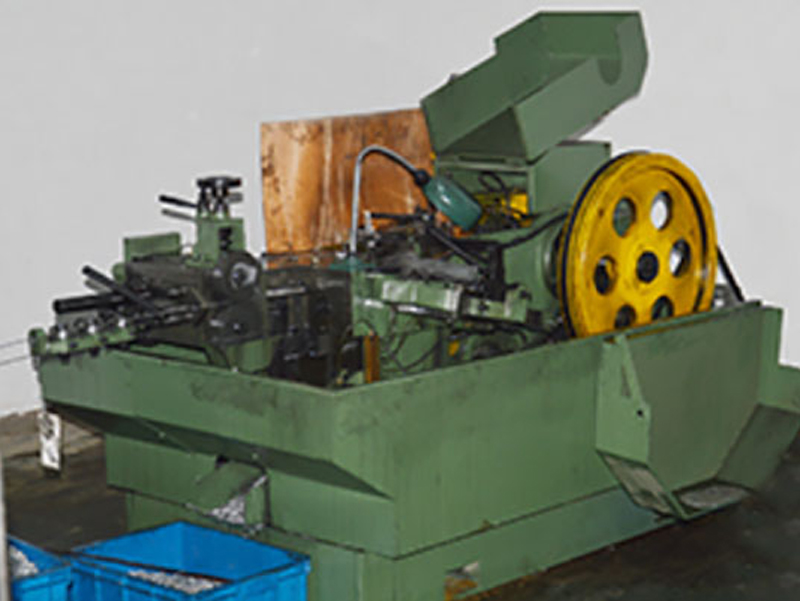
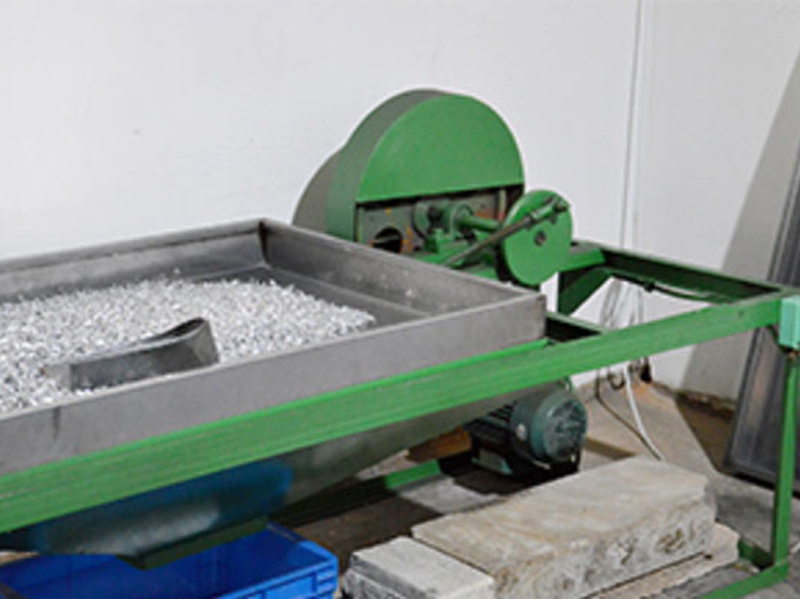
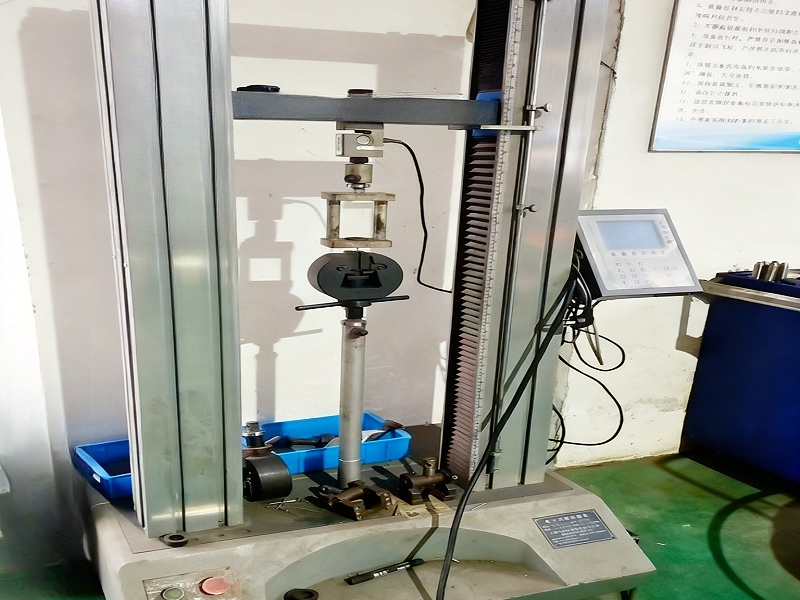
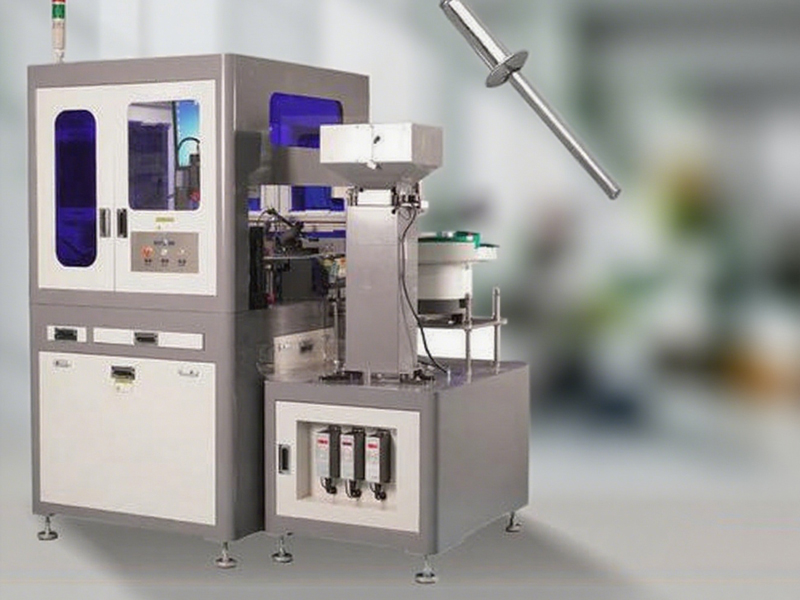
Our manufacturing ecosystem utilizes cutting-edge multi-station cold heading machinery to execute near-net-shape continuous metal plastic deformation. By preserving internal grain flow along the fastener axis, our threaded rivet nuts exhibit superior fatigue limits and shear strength compared to machined alternatives. Downstream automated optical sorting machines verify pitch tolerance, internal thread integrity, head concentricity, and wall concentricity at speeds surpassing 800 parts per minute, assuring zero PPM defect targets for automotive assembly plants.
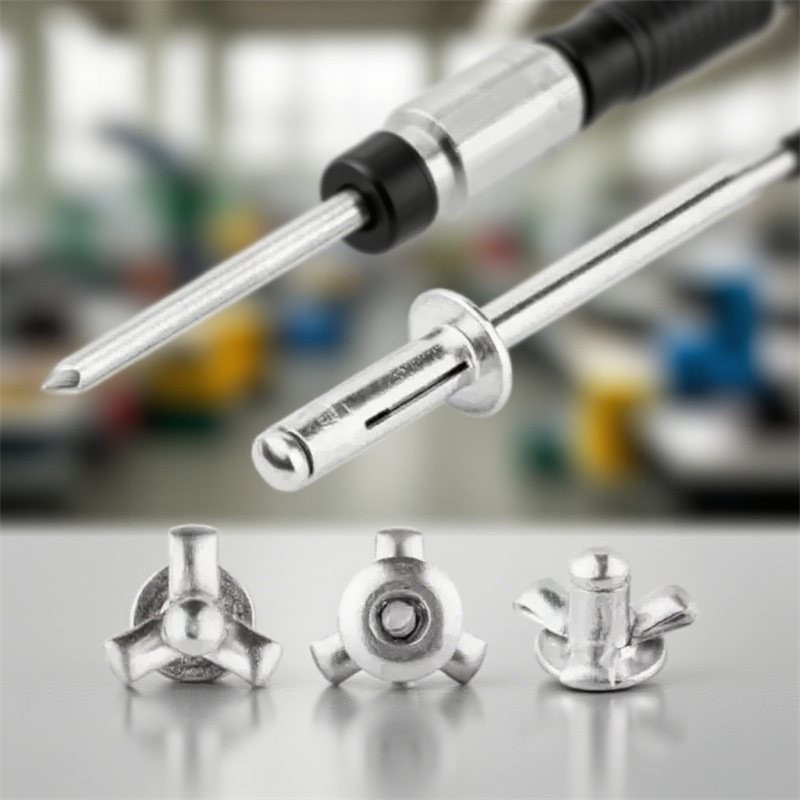
Mounting brackets, door hinges, dashboard crossmembers, EV battery structural trays, and aerodynamic underbody shields with blind accessibility.
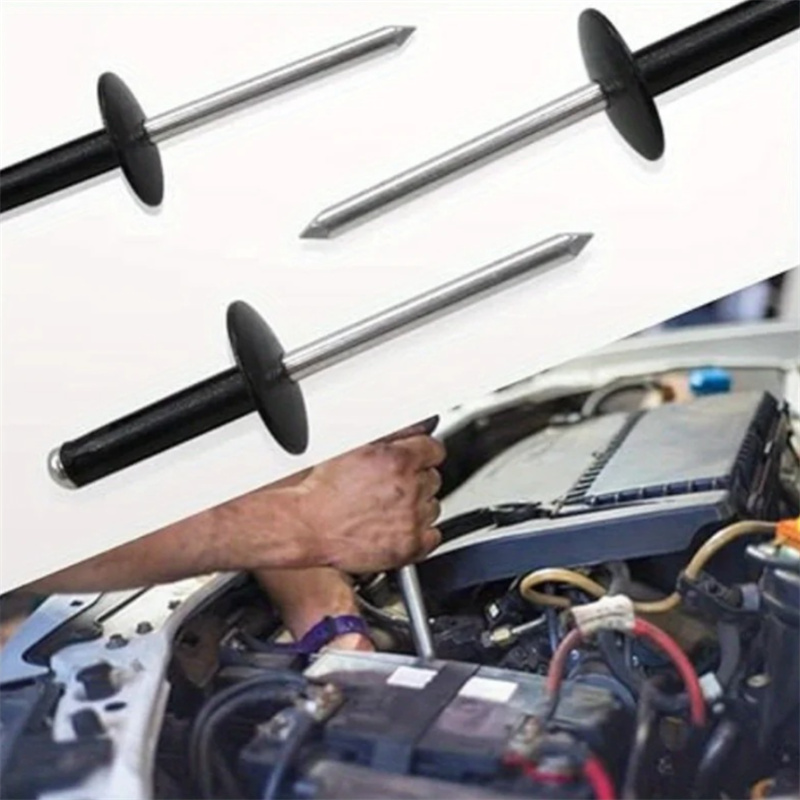
Securing circuit boards, heavy transformer mounts, air-conditioning chassis, ducting flanges, and telecommunications rack units without sheet deformation.
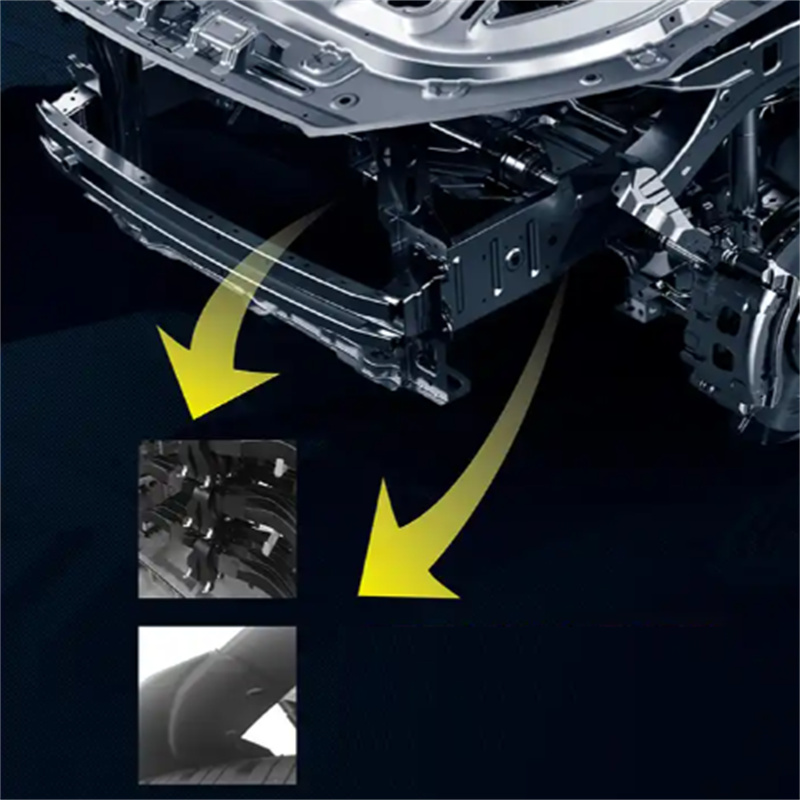
Structural metal framing, architectural curtain wall brackets, solar panel tracker rails, commercial refrigeration units, and premium household appliances.
Electric Vehicle (EV) Battery Trays & Lightweight Body Structures: Modern automotive design utilizes aluminum alloys (such as 6000 and 7000 series) and carbon-fiber composites to maximize driving range. Because fusion welding aluminum to steel causes galvanic incompatibility and brittle intermetallic phases, mechanical fastening via blind rivet nuts has become the global benchmark. Our zinc-nickel and stainless steel threaded rivet nuts secure battery module retention brackets, thermal management heat sink plates, and underbody stone-deflector panels while maintaining an IP68 moisture seal.
Aerospace Avionic Racks & Interior Cabins: Aerospace metal fabrication necessitates strict strength-to-weight ratios and impeccable fire-smoke-toxicity compliance. Countersunk rivet nuts provide flush aerodynamic fasteners on exterior panels, while lightweight aluminum alloy rivet nuts are deployed inside cabin structures for overhead bin suspension, seating attachment rails, galleys, and avionic shelf mounting.
Heavy Machinery, Agricultural Equipment & Rail Transport: In off-highway excavators, combines, and high-speed rail coaches, components endure severe cyclic vibration, dirt, road salt, and extreme temperature fluctuations. Full-hex threaded rivet nuts provide exceptional spin-out resistance, preventing bolted joints from loosening during rugged field service.
WUXI AIPLLE is specialized in blind rivet, rivet nut and No-standard fastener for many years.
Our ISO9001-Compliant quality control eliminates defects, ensures consistent performance, and protects you from costly returns. So you can build trust with your customers effortlessly.
With IATF16949-2016 quality management system for automotive fastener production, We provide more stable and guaranteed product.
Powered by experienced R&D engineers group, we deliver 10 annual innovations to solve market demand and challenge new market, enhance your market working efficiency and competitiveness.
Our professional after-sales teams responds instantly. Keep your business smoothly and efficient.
WUXI AIPLLE METAL PRODUCTS CO., LTD. implements total traceability from raw wire rod annealing to cold-heading, automatic thread tapping, continuous heat treatment, plating, and final packaging.
Product Development—Building on our proven track record of consistent product quality, we continuously expand our product portfolio to include custom non-standard parts, solid rivets, nickel-zinc plated automotive nuts, and expansion nuts.
Customer Development—We boast a global customer base of over 200 overseas clients across more than 50 countries. By consistently investing in both online and offline customer acquisition efforts, we have successfully established our presence on major e-commerce platforms such as Amazon and AliExpress—significantly broadening our product reach and user base.

Achieving optimum joint performance demands matching fastener grip range with precise tooling calibration (stroke control vs. pull-to-force systems).
Every threaded rivet nut is engineered with a designated grip range (e.g., 0.5 mm – 3.0 mm, or 3.0 mm – 5.5 mm). The grip range defines the total combined thickness of all sheets being clamped together. If the parent metal thickness is below the minimum grip range, the fastener will fail to collapse snugly against the back wall, resulting in loose, spinning inserts. If the sheet thickness exceeds the maximum grip range, the collapsible shank cannot form a complete retention bulb, leading to premature pull-out under tensile loading.
In modern automated production lines, two primary installation methodologies govern quality consistency:
Industrial metal fabrication demands tailored surface treatments to prevent galvanic corrosion between dissimilar metals (e.g., aluminum sheet vs. carbon steel fasteners). WUXI AIPLLE offers: