Leave Your Message
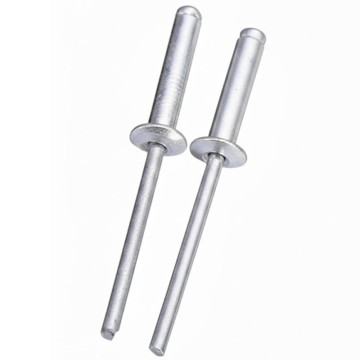
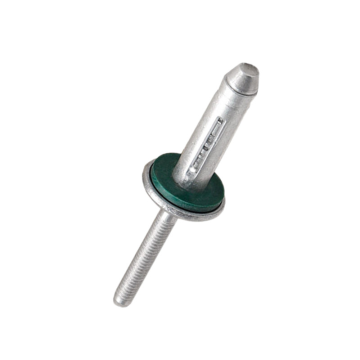
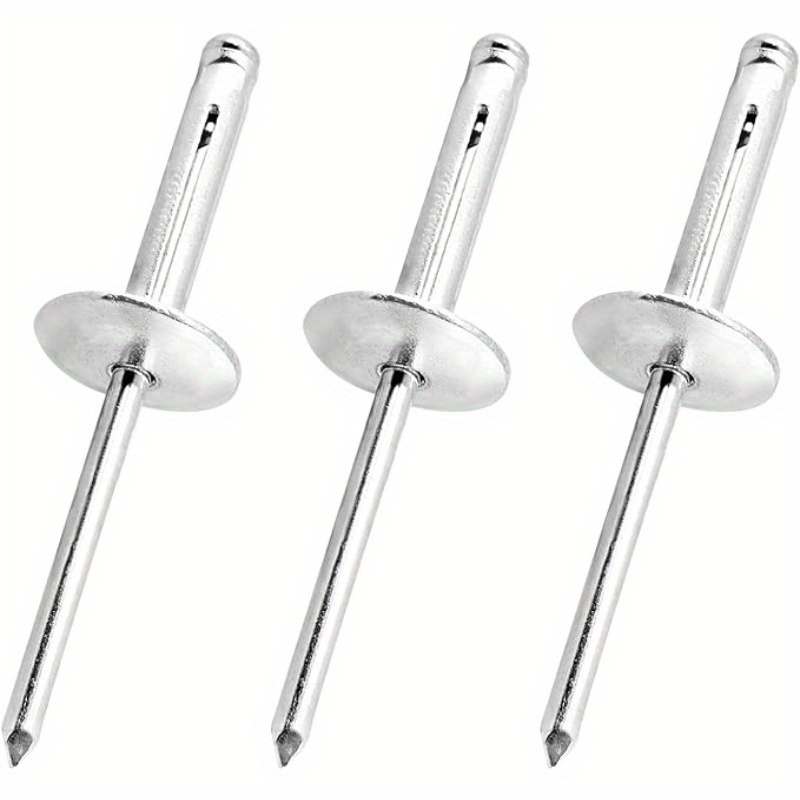
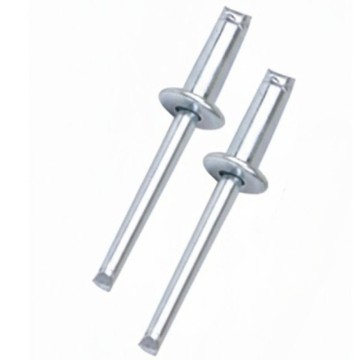
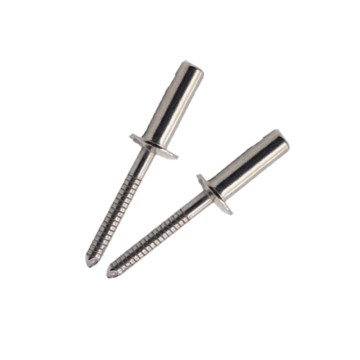
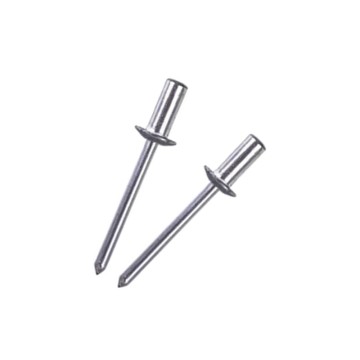
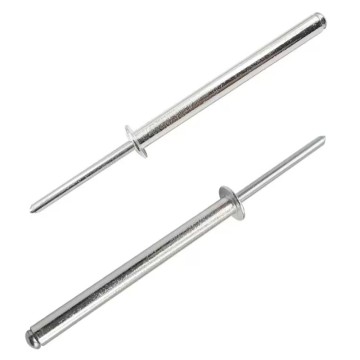
Lantern rivets are one - sided riveting fasteners. After riveting, the rivet head will take on a lantern - like shape. Thanks to their unique structure and performance, they are widely used in various fields across the U.S. market and global industrial manufacturing sectors.
In modern industrial sheet metal fabrication, joining thin substrates, composite layers, and dissimilar alloys poses a critical challenge. Conventional mechanical fastening methods like tapped threads, spot welding, and standard rivets frequently cause thermal distortion, surface micro-cracking, or pull-through failures under high dynamic loads. Structural Trifold and Bulb rivets resolve these bottlenecks through intelligent load dissipation.
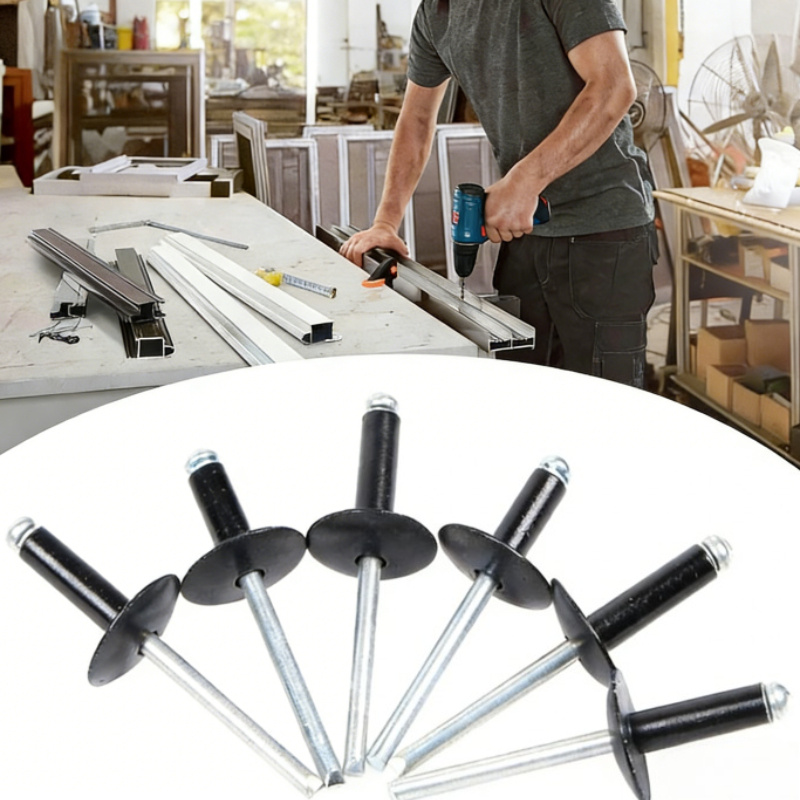
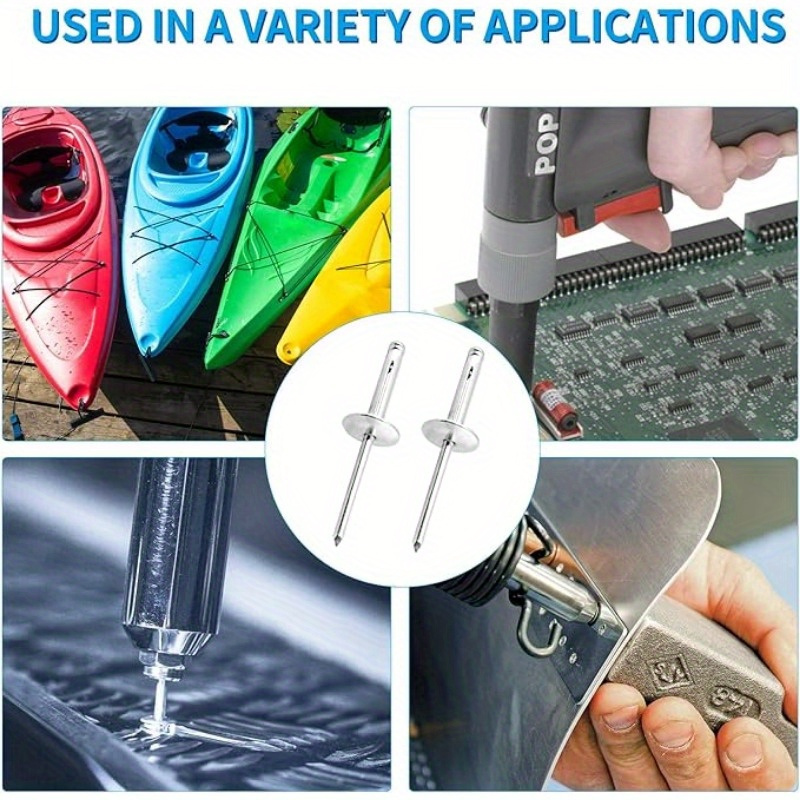
Engineered for versatile deployment across light-weighting initiatives, high-tensile enclosures, and critical industrial structures.
They can be applied to connect components such as automotive instrument panels and ventilation systems. These parts often adopt fragile or flexible materials like plastics and rubbers. The three - fold legs formed during the riveting process of lantern rivets can distribute the clamping force evenly, preventing damage to the riveted materials.
In the assembly of electronic instruments and devices, lantern rivets are suitable for joining thin metal plates, plastic casings and other parts. They not only ensure firm connection but also avoid harming precision electronic components.
They are commonly used in food packaging, wine packaging and other sectors. Lantern rivets can firmly rivet packaging materials including cartons and plastic sheets. Meanwhile, their aesthetic appearance can enhance overall package durability and premium finish.
They are ideal for connecting metal furniture, wooden products and more. For components with irregular shapes or connection holes of large sizes, lantern rivets perform excellently and guarantee structural stability and rigidity across long operational cycles.
In the assembly of home appliances such as refrigerators and washing machines, lantern rivets can be used to fix casings, internal brackets and other parts. They feature excellent shock resistance and tensile strength, preventing joint relaxation under continuous dynamic vibration.
In the gift, artwork and toy industries, lantern rivets not only realize the connection of parts but can also be processed into various colors and patterns on the rivet head through baking paint, matching custom aesthetic styles while fulfilling decorative roles.
They can be used for connecting door and window accessories as well as fixing various building decoration materials. For irregular or oversized installation holes, lantern rivets provide reliable, high-shear mechanical locking solutions.
How automation, lightweight materials, and Industry 4.0 are reshaping structural rivet adoption in global metal fabrication.
Modern production facilities increasingly integrate structural blind riveting heads into robotic cells. Process monitoring systems verify mandrel pull stroke, break-load thresholds, and cycle time in real time to ensure zero-defect assembly across large batches.
As electric vehicles, renewable energy housings, and mass transport prioritize weight reduction, structural aluminium and multi-material joints replace welded heavy steel. High-clamp bulb rivets prevent thermal warpage in sensitive thin-sheet assemblies.
Advanced surface passivation, zinc-nickel plating, and closed-end rivet architectures provide airtight, liquid-tight seals capable of passing rigorous salt spray tests, ensuring reliable integrity in extreme outdoor and industrial environments.