Leave Your Message
In contemporary automotive engineering, the transition toward lightweight multi-material architectures—such as ultra-high-strength steels (UHSS), die-cast aluminum alloys, and carbon-fiber composites—has fundamentally disrupted conventional thermal joining methods. Traditional spot welding creates heat-affected zones (HAZ) and cannot join dissimilar metals without severe galvanic or structural compromise. This makes Structural Pop Rivets the core foundation for mechanical structural integrity.
Vehicle dynamics expose body assemblies to constant multi-axial cyclic fatigue, harmonic resonance, and severe shock impulses from road roughness. In battery electric vehicles (BEVs), where high-frequency road vibrations are uninterrupted by internal combustion noise, controlling Noise, Vibration, and Harshness (NVH) is of paramount importance. Threaded fasteners are prone to vibrational self-loosening over extended life cycles, making mechanically locked structural blind rivets the premier zero-maintenance fastening choice for Tier-1 OEMs.

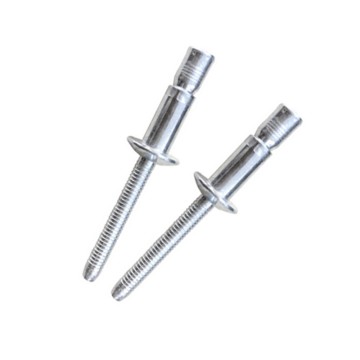
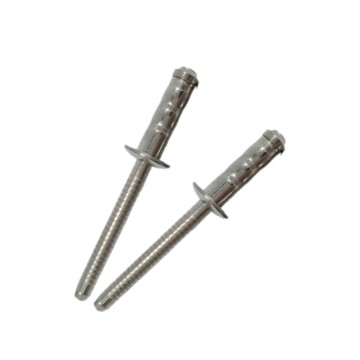
Unlike standard pop rivets where mandrels can shake loose and cause structural rattling or short circuits, our structural rivets incorporate positive mechanical locking mechanisms (Posilock / Interlock) that permanently fuse the mandrel core within the shear plane.
During installation, the rivet sleeve expands radially to completely fill irregular, laser-cut, or punched holes. This eliminates joint micro-slippage under dynamic torque reversals and lateral cyclic shearing loads.
Structural blind rivets offer uniform 360-degree head seating and secondary internal sealing rings, preventing moisture, salt spray, and road grit ingress, effectively passing rigorous IP67 and IP6K9K automotive salt-fog corrosion tests.
Automotive fasteners must endure continuous high-amplitude vibrational acceleration without loss of clamp load. Here is how structural rivets outperform threaded bolts and standard pop rivets.
Under standard Junker vibration testing (DIN 65151 / ISO 16130), threaded fasteners typically lose up to 70% of their initial preload within the first 1,000 cycles due to transverse shear sliding. In contrast, Aiplle Structural Blind Rivets maintain 100% of their residual clamp load over 200,000+ continuous vibration cycles.
The continuous metallurgical engagement between the expanded body and the locked stem provides high shear resilience that absorbs mechanical shock pulses without micro-yielding. This makes structural rivets ideal for suspension subframes, instrument panel crossbeams, seat frame anchoring, and battery protective skid plates.
| Fastener Category | Clamp Load Retention | Shear Fatigue Limit | Vibration Loosening Risk |
|---|---|---|---|
| Standard Blind Rivet | Moderate (~45%) | 2.4 kN | Medium (Mandrel may dislodge) |
| Threaded Bolt + Lock Nut | Degrades (~30% retained) | 7.8 kN | High (Requires threadlockers) |
| Aiplle Structural Monobolt | Exceptional (99.8%) | 11.5 kN | Zero (Positive Interlock) |
| Aiplle Steel Hemlock Rivet | Ultra-High (99.5%) | 14.2 kN | Zero (High Blind-Side Bulb) |
From EV battery pack trays to rugged off-road commercial truck chassis, our structural blind rivets guarantee structural durability where safety and longevity cannot be compromised.

Secure fastening of aluminum lower trays, module frame stiffeners, and composite cover shields with IP67 hermetic sealing against thermal runaway stresses.

Dissimilar metal bonding joining aluminum side panels to high-strength steel B-pillars without thermal warping, hot spots, or galvanic corrosion.

Heavy-duty cab brackets, aerofoil fairings, cargo box subassemblies, and suspension crossmembers subjected to violent torsional highway vibration.

Permanent, high-shear clamping of seat slider rails, dashboard cross-car structural tubes, and door anti-intrusion side beams.

Vibration-isolated mounting for radar brackets, lidar sensor housings, and ECU modules to preserve optical calibration and millimeter-wave precision.
Precision-manufactured blind rivets, rivet nuts, and high-strength engineered fasteners tailored for single-sided access automation on high-speed assembly lines.
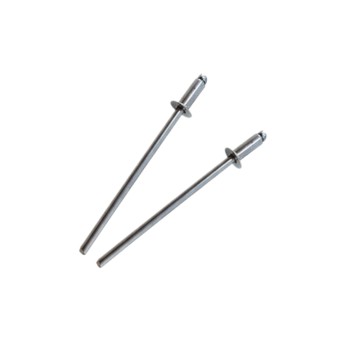
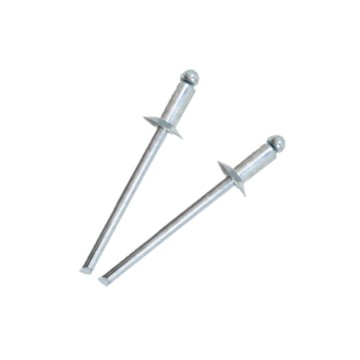
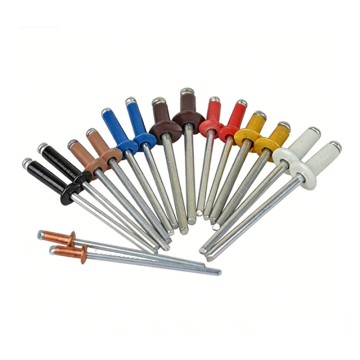
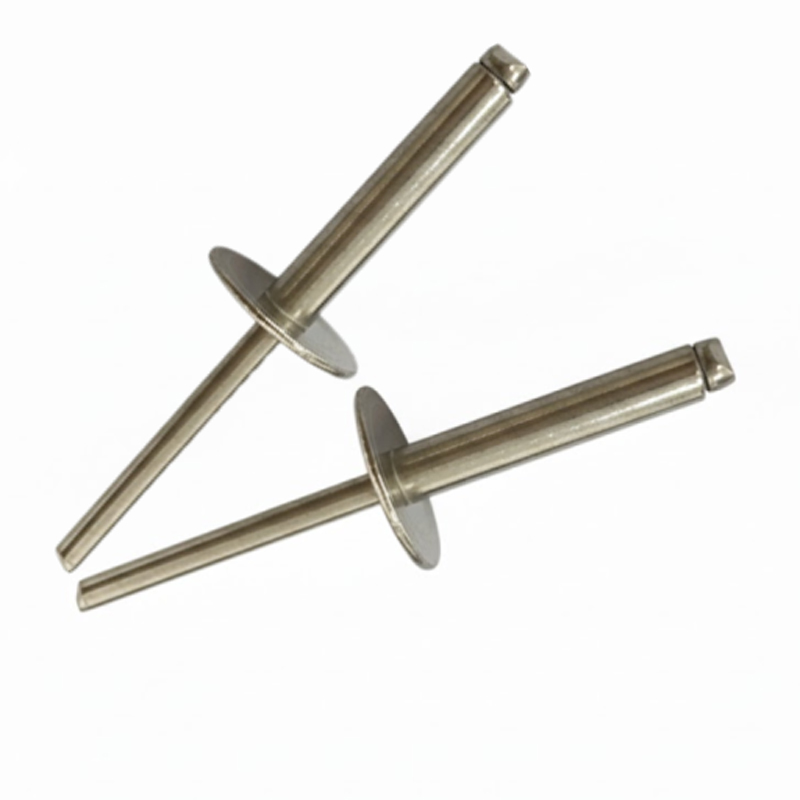
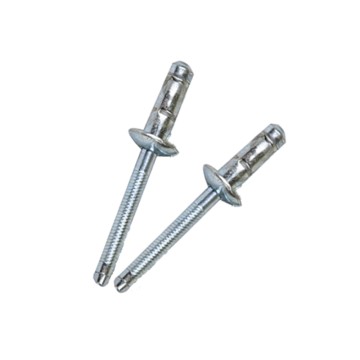
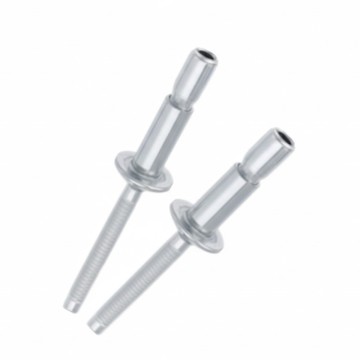
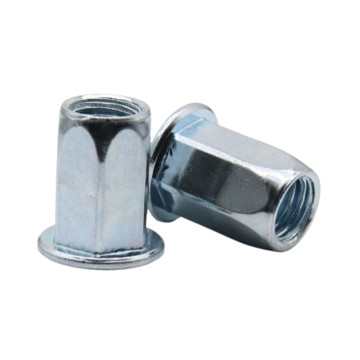
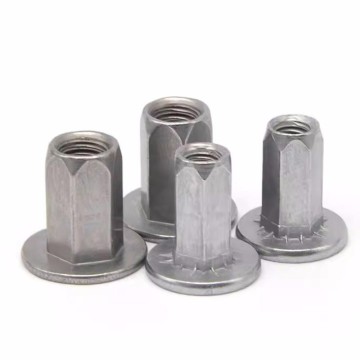
Examining real-world deployments of high-strength structural rivets and blind fastening solutions across harsh operating environments.

Implemented Monobolt 6.4mm high-strength rivets on robotic assembly lines, achieving zero defect rates across 1.2 million joint installations under severe shock testing.
View Case Details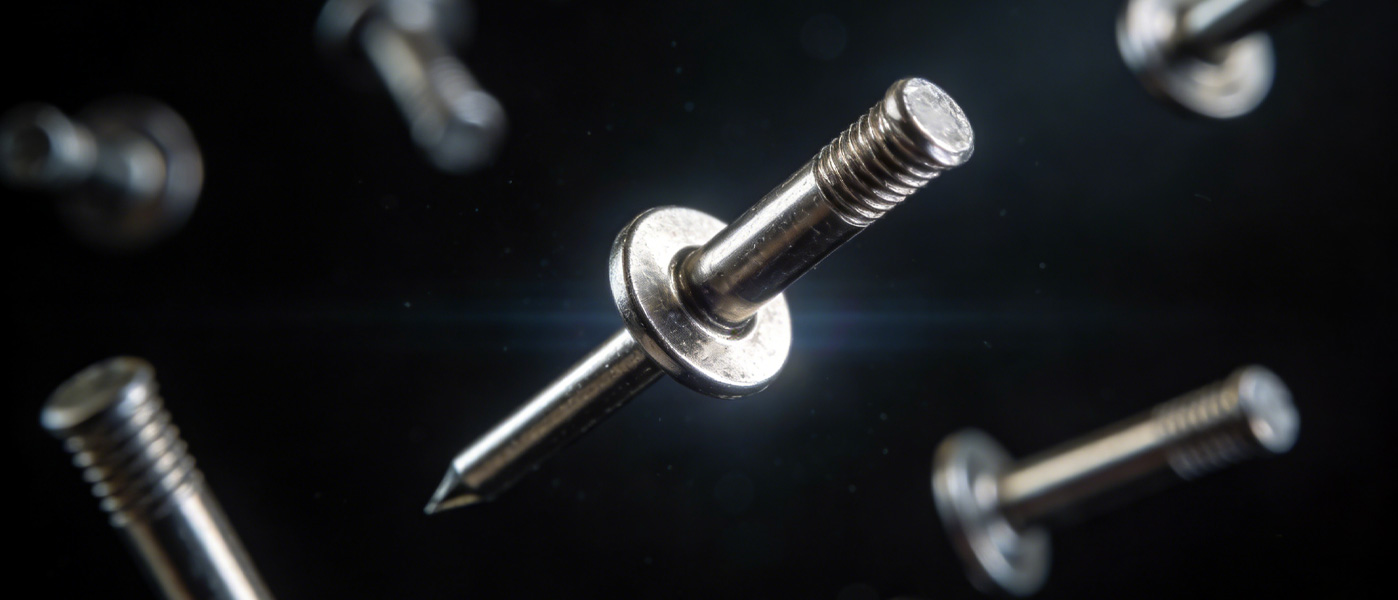
Supplied corrosion-resistant stainless steel large flange rivets for chemical transport tanker bodies withstanding high harmonic road agitation.
View Case Details
Replaced conventional bolted assemblies with multi-grip structural rivets, decreasing chassis curb weight by 140kg while drastically reducing fatigue crack propagation.
View Case DetailsInsights on pneumatic rivet tool calibration, blind rivet selection guidelines, and dynamic fatigue life extension in automotive plants.
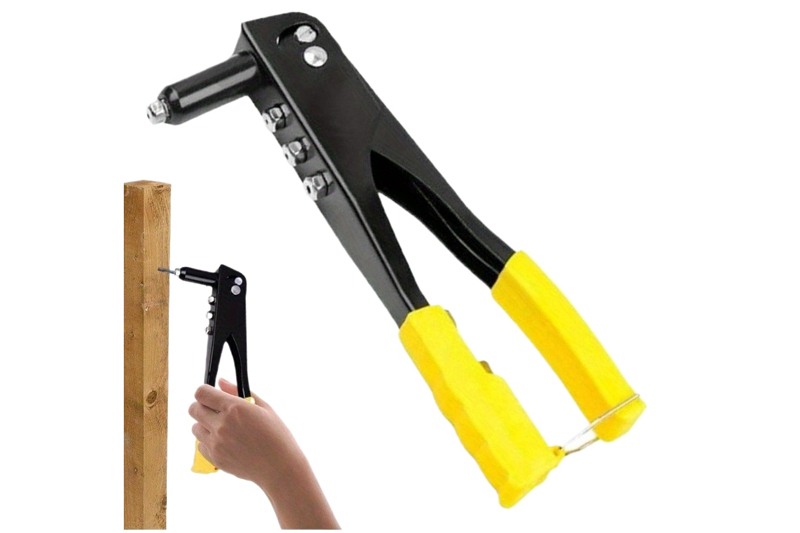
How consistent dynamic air pressure and pneumatic cycle timing guarantee optimal mandrel fracture and locked-stem retention in high-speed production environments.
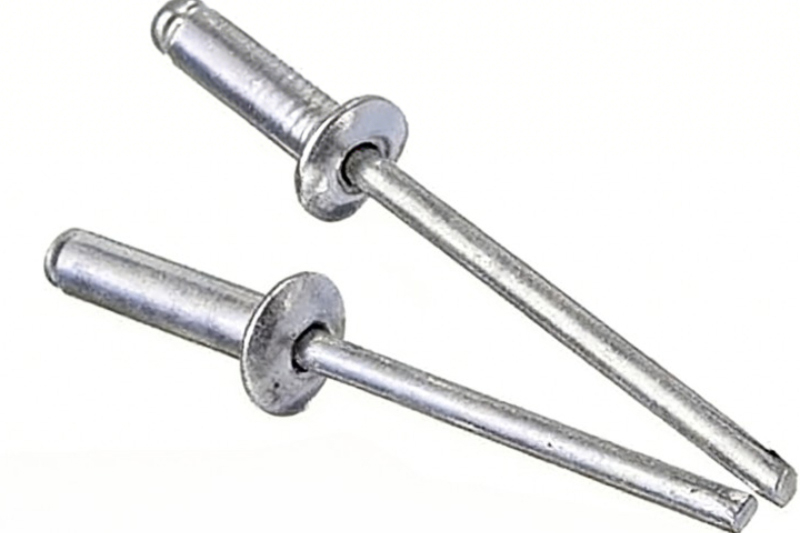
A comprehensive comparison of load-bearing capacities, blind-side expansion characteristics, and fatigue limits under dynamic shock loading conditions.
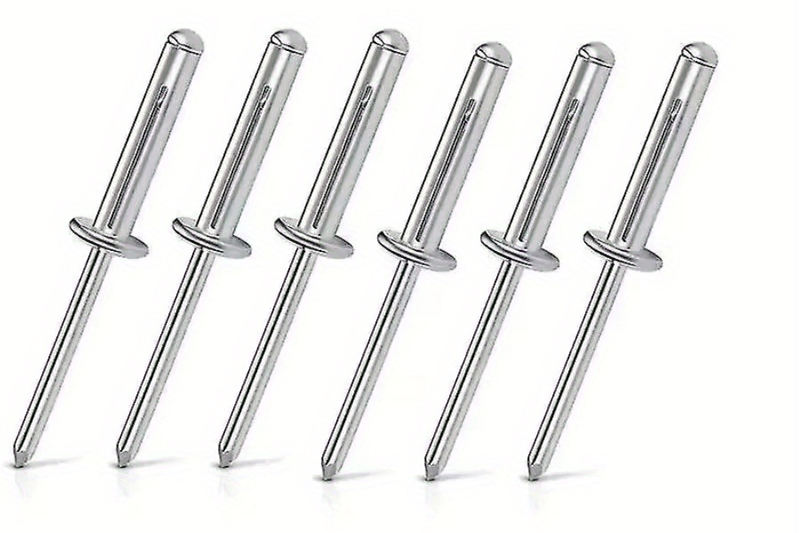
Analyzing automated cycle times, clamp preload control, and joint reliability metrics in modern automotive Body-in-White applications.
Browse our complete selection of standard and high-performance structural blind rivets designed for rigorous industrial and automotive fastening specifications.
Contact our metallurgical and structural fastening engineers for sample testing, CAD drawings, and OEM volume pricing.