
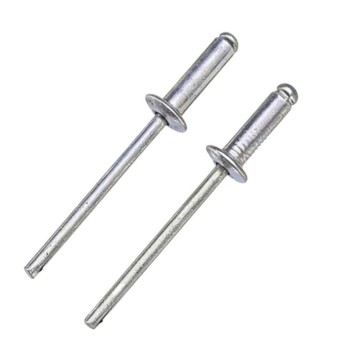
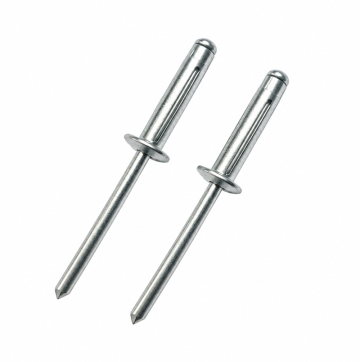
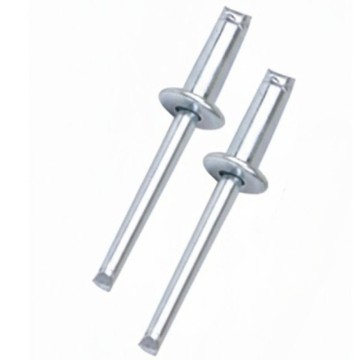
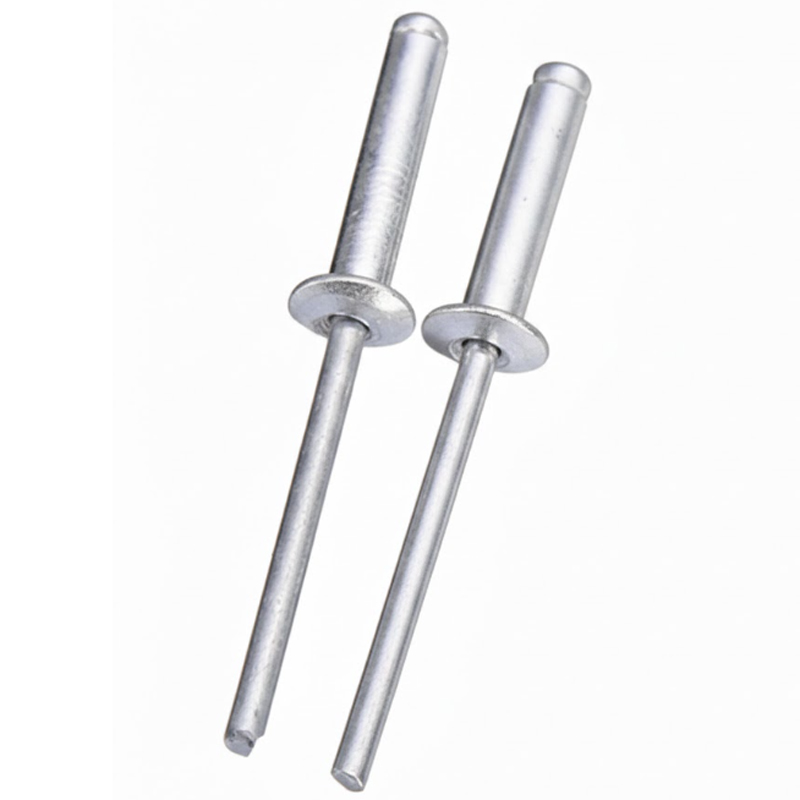
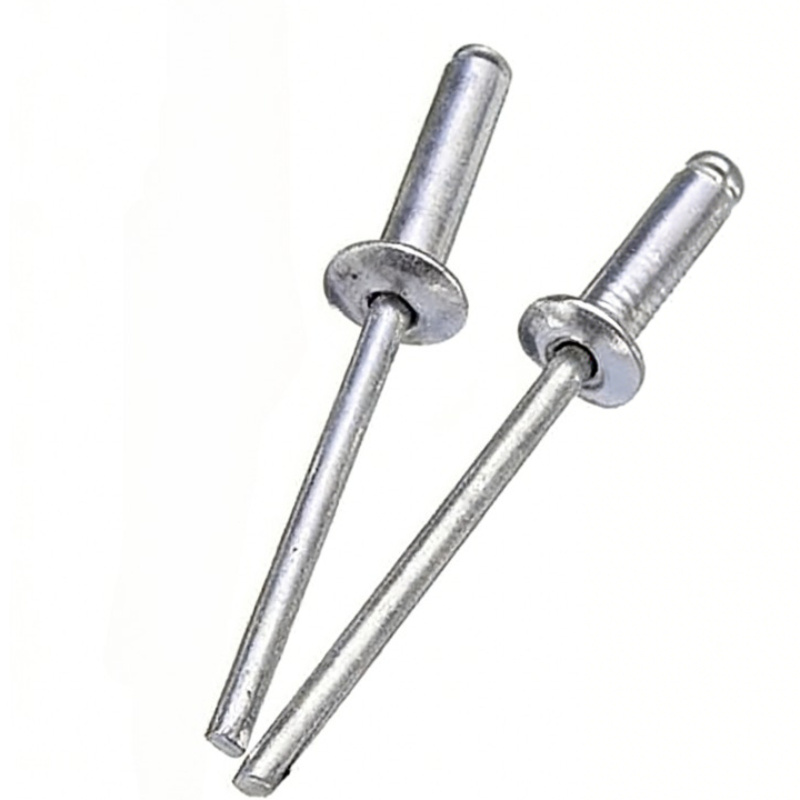
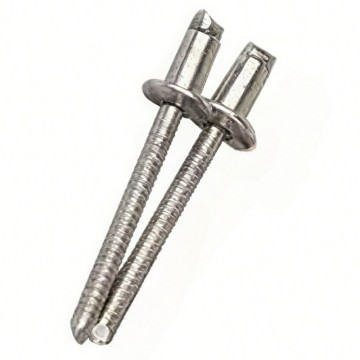
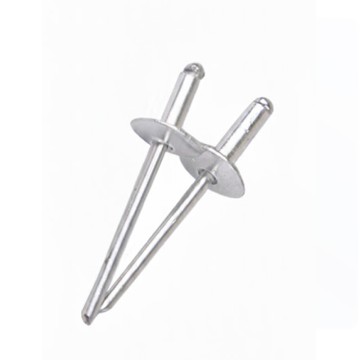
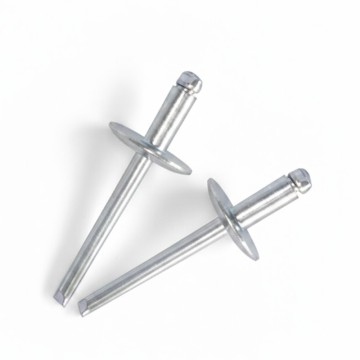
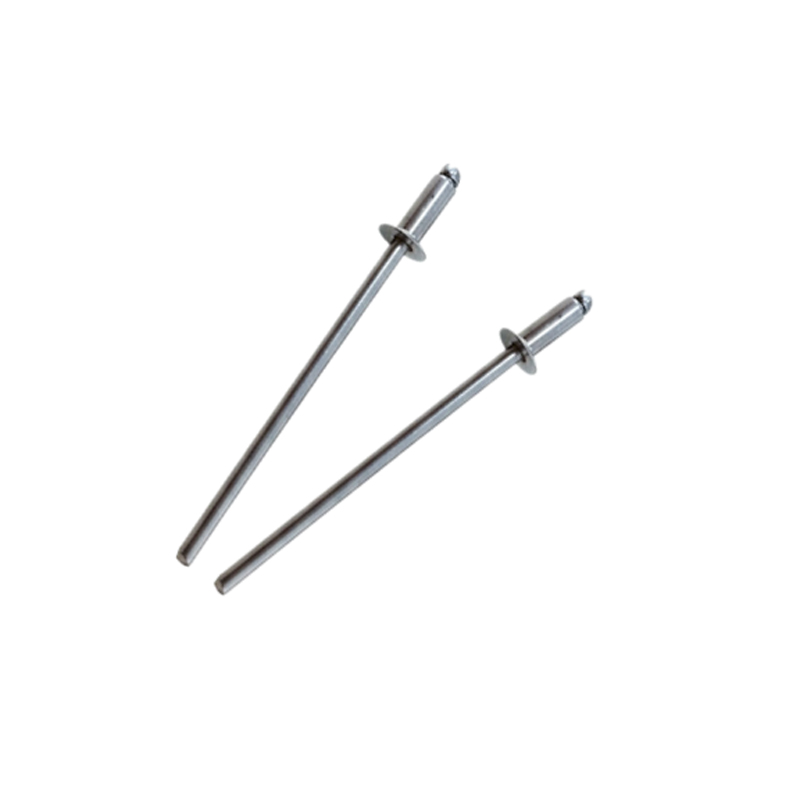
Stainless Steel Countersunk Head Blind Rivets
Technical Specifications
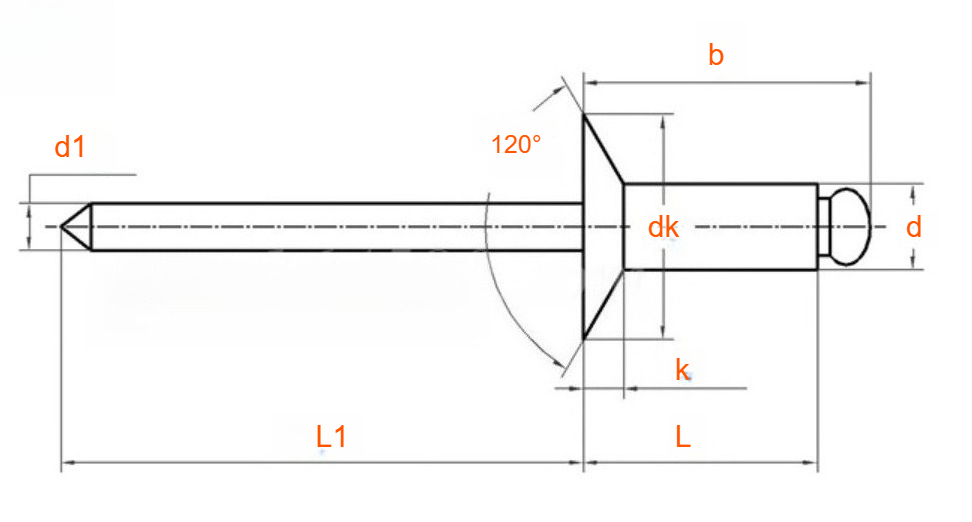
| Item: | stainless steel pop rivets Countersunk Blind Rivets Flush Blind Rivet |
| Rivet Material: | 304/316,Stainless Steel Rivet body/Stainless Steel Mandrel |
| Surface Finishing: | Polish/Polish |
| Diameter: | 2.4mm,3.2mm, 4.0mm, 4.8mm, 6.4mm, (3/32",1/8“, 5/32”, 3/16“,1/4”) |
| Grip Range: | 0.5~30mm |
| Customized: | Customized size such as 3.0mm,5.0mm,6.0mm |
| Standard: | DIN 7337, GB12617.4,ISO15984, |
| Type: | Types of Blind Rivets |
Features
1.Made of high-quality 304/316 stainless steel, STS Countersunk Blind Rivets provide superior rust protection, making them ideal for outdoor, marine, humid and corrosive environments.304 stainless steel blind rivets.
2. Countersunk head design allows the rivet to sit completely flush with the surface after installation, ensuring a clean, professional appearance without protrusions.
3. Blind rivet structure enables fastening from only one side, perfect for narrow spaces, enclosed structures and hard-to-reach areas. .
4. Offers high shear and tensile strength, forming a permanent, secure connection that stays tight even under long-term vibration.
5. Suitable for fastening metal sheets, aluminum, plastic, wood, composite materials and more in automotive, electronics, construction, furniture and machinery.
6.High hardness, heat resistance and stable performance ensure long-lasting use without deformation or failure.
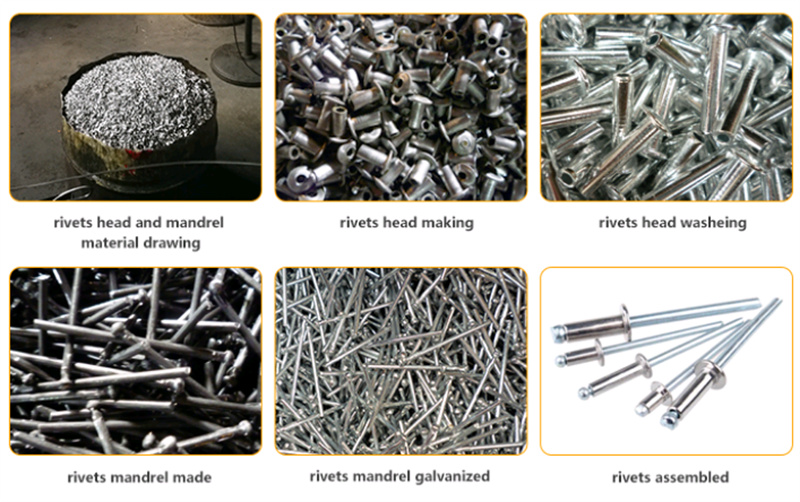
Production Process
Applications
Sheet Metal Fabrication – Stainless steel countersunk head blind rivets are Used for joining stainless steel and metal sheets where a strong, corrosion-resistant and flush fastening is required.
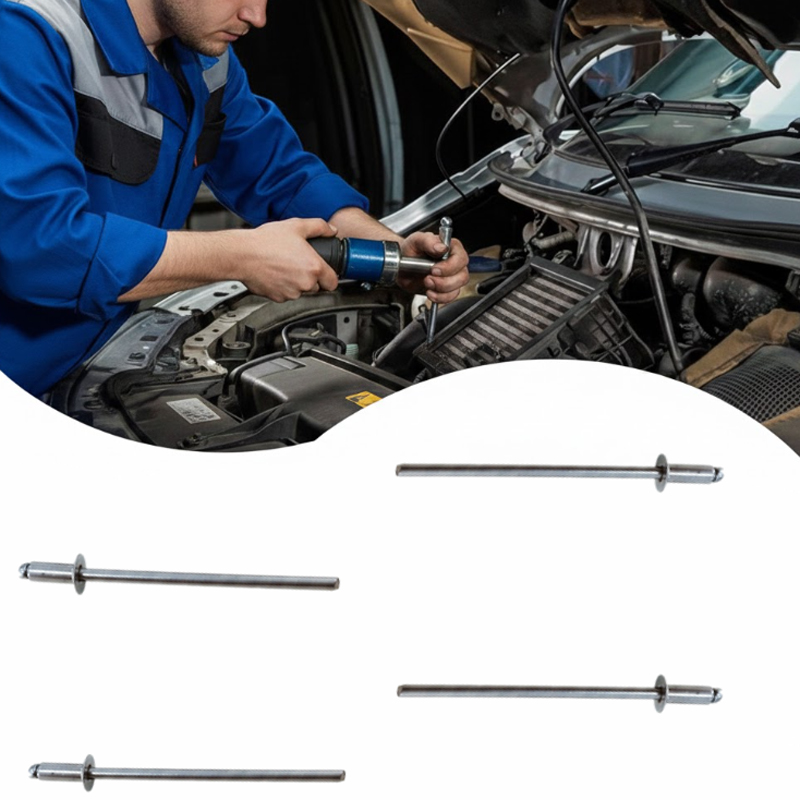
Automotive – A2 stainless steel countersunk blind rivets is suitable for vehicle panels, body components and interior assemblies requiring durable stainless steel fastening.
Electrical Enclosures – Ideal for control cabinets, electrical boxes and metal enclosures where one-side installation and a clean surface finish are important.
Machinery & Equipment – Used for machine panels, housings, brackets and equipment components requiring reliable and corrosion-resistant fastening.
Construction & Metal Panels – Suitable for metal panels, fixtures and structures where a neat, low-profile countersunk finish is preferred.
HVAC Systems – Used for sheet metal ducts, housings and HVAC components in applications requiring durable fastening and good corrosion resistance.
Outdoor Equipment – Suitable for general outdoor assemblies exposed to moisture, humidity and changing weather conditions.
General Industrial Assembly – Ideal for equipment, cabinets, panels and components where 304 stainless steel and a flush rivet head are required.
Installation Guide
Prepare the Hole – Drill and countersink a suitable hole according to the rivet size.
Insert the Rivet – Place the 304 stainless steel countersunk blind rivet into the hole.
Set the Rivet – Use a compatible blind rivet tool to pull the mandrel and expand the rivet body.
Finish the Joint – Continue until the mandrel breaks off, leaving a secure, flush fastening.
For detailed installation steps, see our Rivet Hole Size: Complete Chart & Drilling Guide for Perfect Installation
Aipllemetal Service
Custom Sizes – Different diameters, lengths and grip ranges are available.We provide types of rivets.
OEM & ODM Service – Customized rivets can be produced according to your drawings, samples or specifications.For example ,5/32"stainless steel countersunk blind rivets.
Material Options – 304 stainless steel is available for applications requiring good corrosion resistance and durability.Different rivet materials are available.
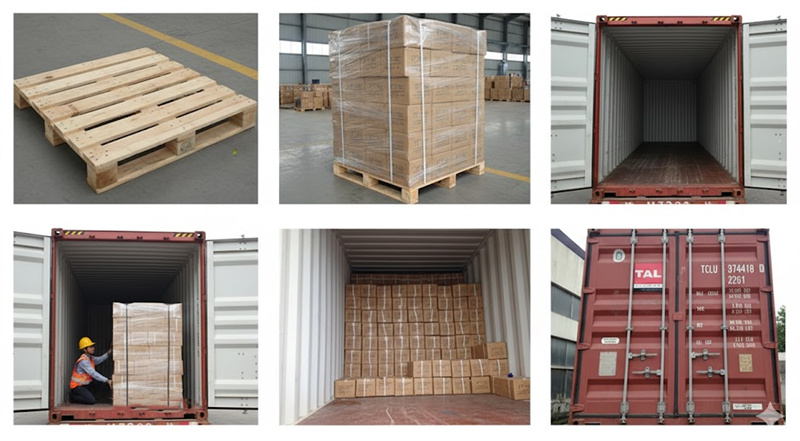
Custom Packaging – Private labels, customized packaging and bulk packaging options are available.
Bulk Orders – Stable production capacity and flexible quantities for wholesale and industrial projects.stainless steel countersunk rivets manufacturer
fAQ
-
1. What are stainless steel countersunk head blind rivets?
-
2.What are stainless steel countersunk head blind rivets used for?
They are widely used for sheet metal, equipment enclosures, automotive panels and marine‑related parts, where a smooth snag‑free surface and anti‑rust performance are required