

What are the different types of blind rivets?
Introduction to Blind Rivets (Pop Rivets)
. What Is a Blind Rivet?
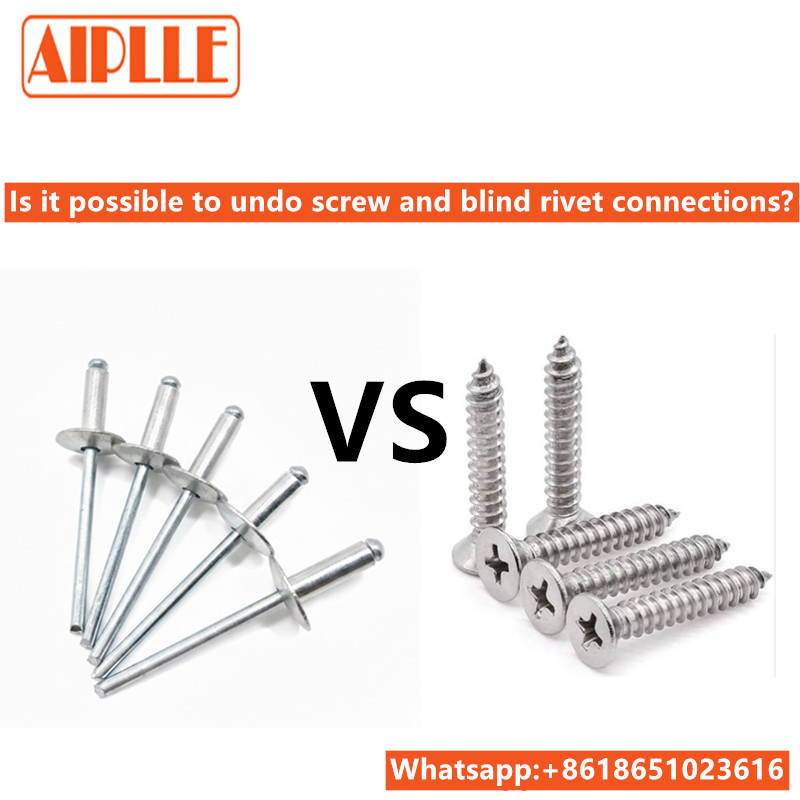
A blind rivet is a fastener used to join materials when you can only access one side of the workpiece.
- How Do Pop Rivets Work?
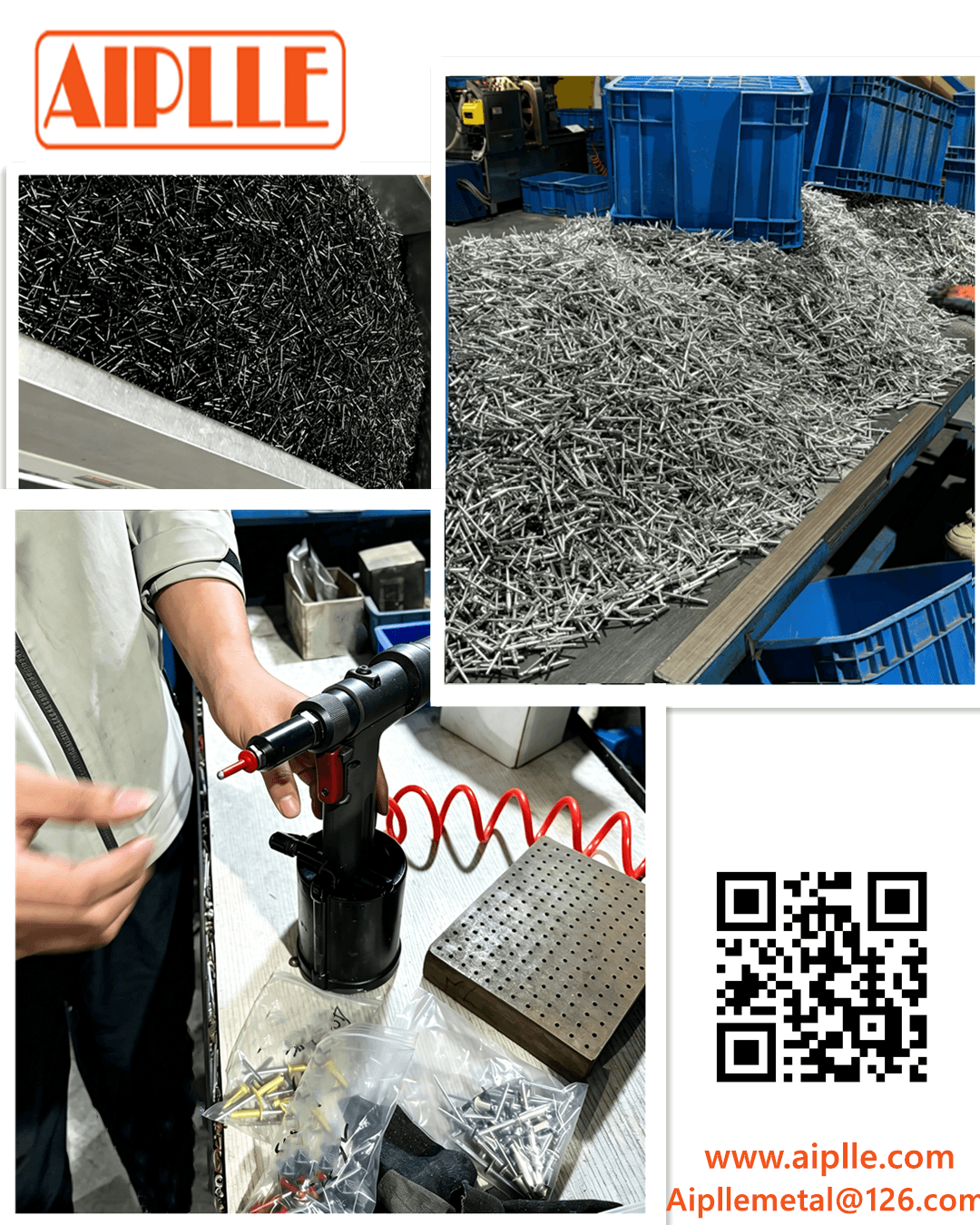
Pull the inner pin to expand the rivet and fix materials firmly.
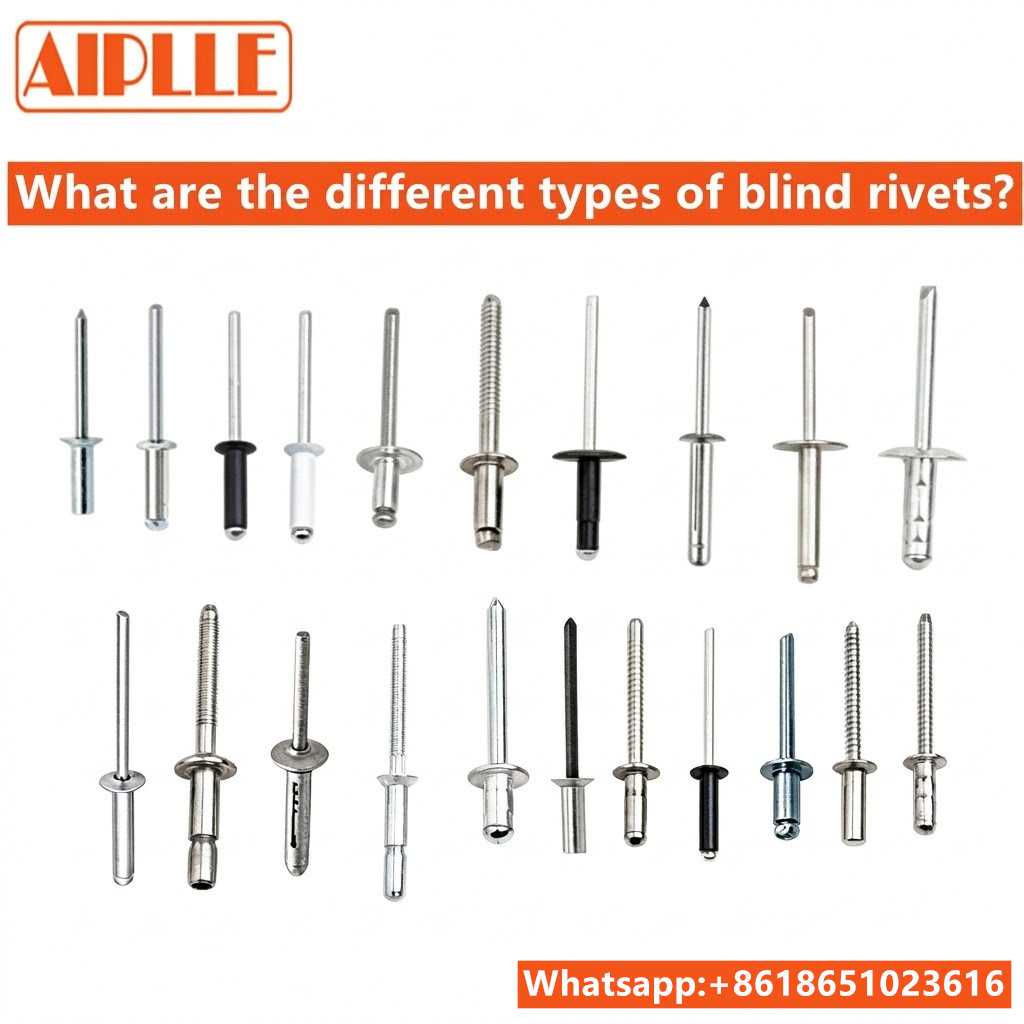
Standard Open-End & Closed-End Blind Rivets
- Open-End Blind Rivets
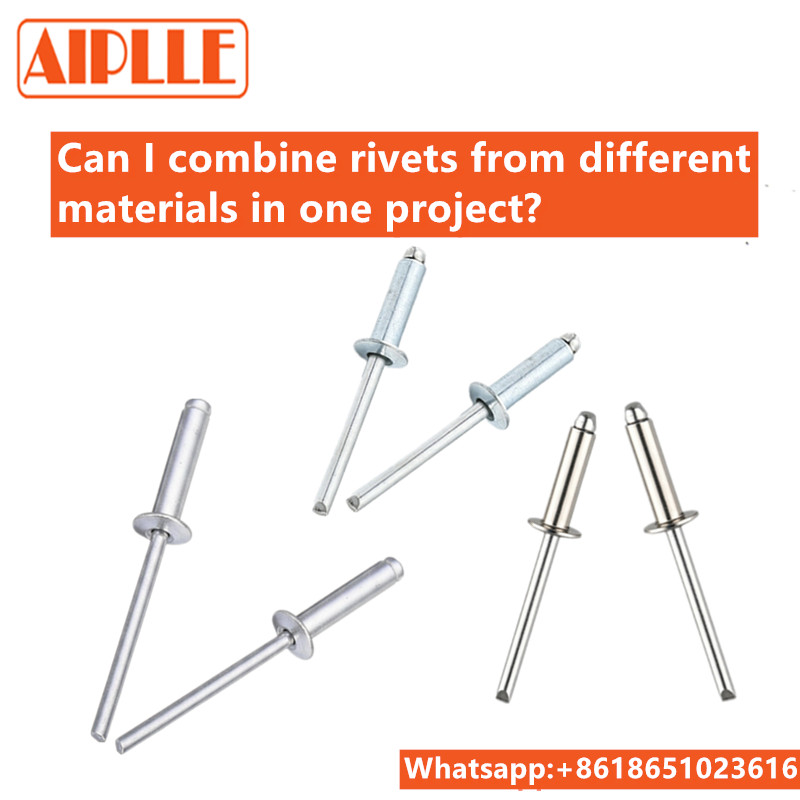
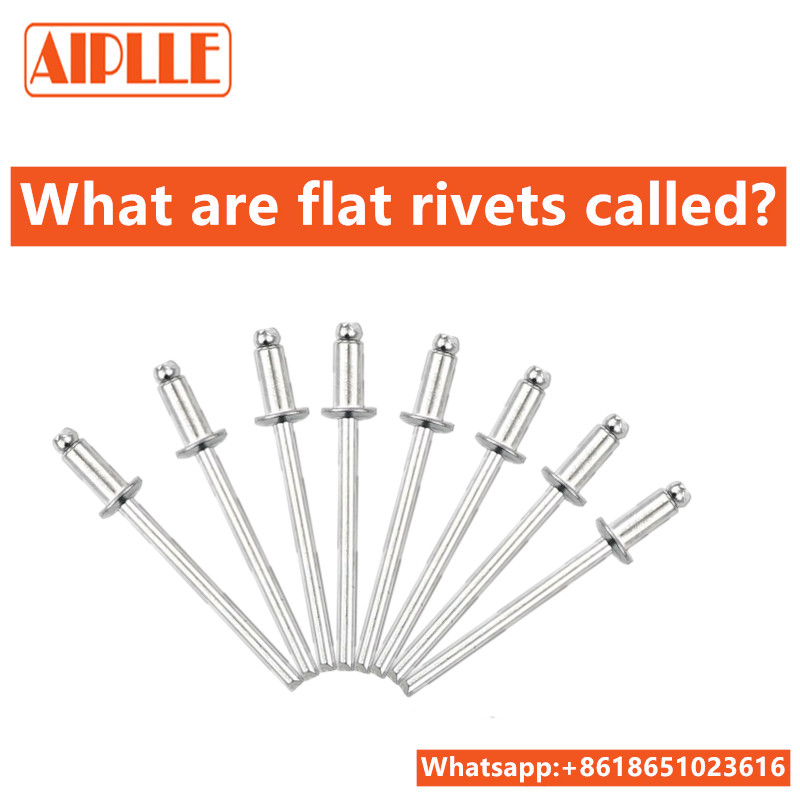
Open-end blind rivets have a hollow end. They expand tightly to hold materials together after installation.
Closed-end sealed rivet, waterproof for leak-proof connections.
Countersunk (CSK) &Large Flange Head Blind Rivets
These rivets have a tapered head that sits flush with the material surface after installation.
Wide flange head for stable fastening.12/14/16mm flange
High-Strength & Structural Blind Rivets
- High Strength Blind Rivets for Heavy Loads
Heavy-duty rivets for high load applications
- Structural Blind Rivets
Extra sturdy rivets designed for structural use, delivering superior grip and durability.
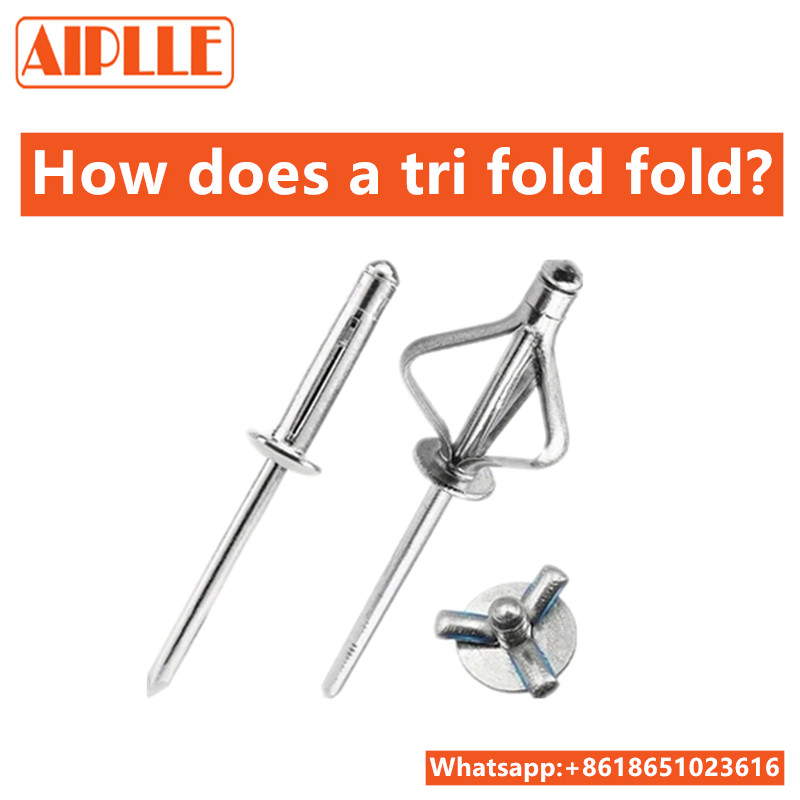
Specialty Blind Rivets: Tri-Fold, Bulb Tite & Peel Rivets
- Bulb Tite & Bulb Rivets (Large Blind Side Bulb)
Once set, the rivet forms a bulb-shaped bulge on the blind side. This rounded head creates a broad contact surface, distributes pressure evenly and holds parts securely. It’s ideal for thin, soft or brittle materials to avoid damage.
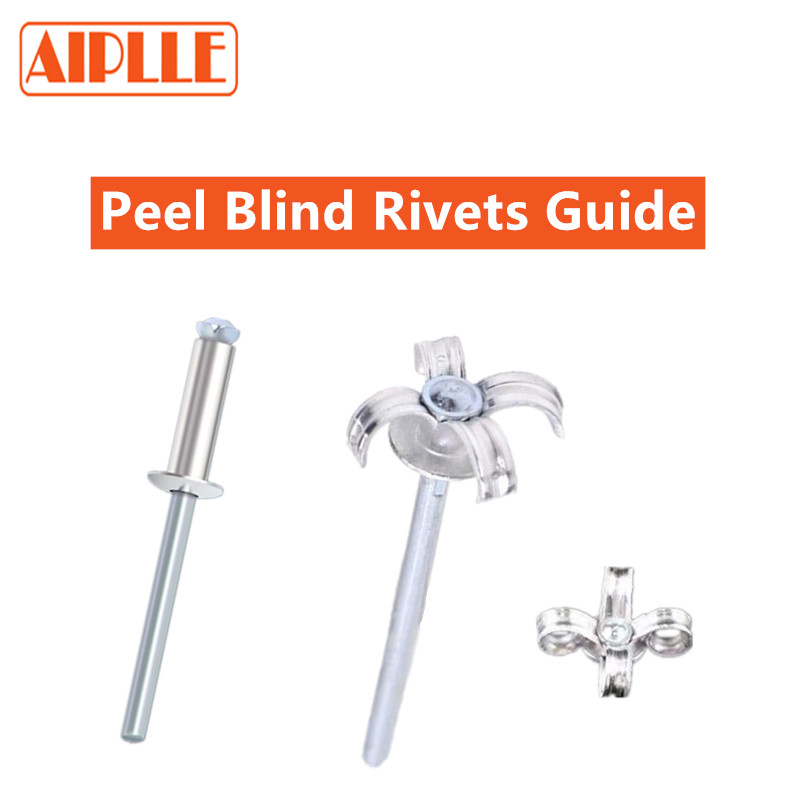
Splits into peel sections after setting. Wide contact surface, perfect for thin and fragile materials.
- Grooved Rivets for Enhanced Grip
Grooved rivets feature textured grooves on the rivet body. These grooves bite firmly into the material during installation, delivering extra friction and stronger grip. They effectively prevent slipping and loosening, ideal for applications that need enhanced holding performance.
Heavy-Duty Rivets: Monobolt,interlock
Other Rivet Types: Solid, Tubular & Semi-Tubular Rivets
- Solid Rivets
Made from one solid piece of metal with no hollow parts. It’s extremely tough and long-lasting. Widely used for heavy-duty connections that require great strength and stability.
- Tubular & Semi-Tubular Rivets
These rivets have a hollow end, different from solid types. The tubular design makes them easy to set by hand or simple tools. They offer decent holding strength, commonly used for light to medium duty connections.
- Hollow & Expanding Rivets
These rivets feature a hollow body. When fastened, the end expands outward naturally to lock parts in place. They’re easy to install and fit well for general light-duty assembly jobs.
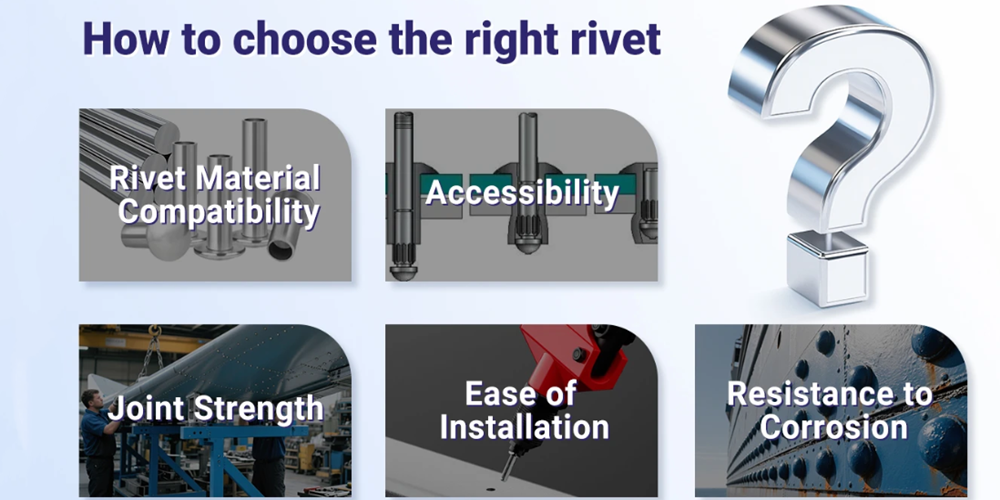
Choose the right rivet for your working.
FAQ:
Q:What is strongest type of blind rivet?
A:Structural blind rivets are the strongest.
Q:What are the different head styles of blind rivets?
A:Here are the main head styles: countersunk, standard flat, large flange and dome heads. Each fits different surface and assembly needs.
BLIND RIVET SIZE|3/16",1/4"METRIC DIAMENSIONS CHART.
BLIND RIVET INSTALLATION:TOOLS,STEPS&HOW TO REMOVE POP RIVETS.