

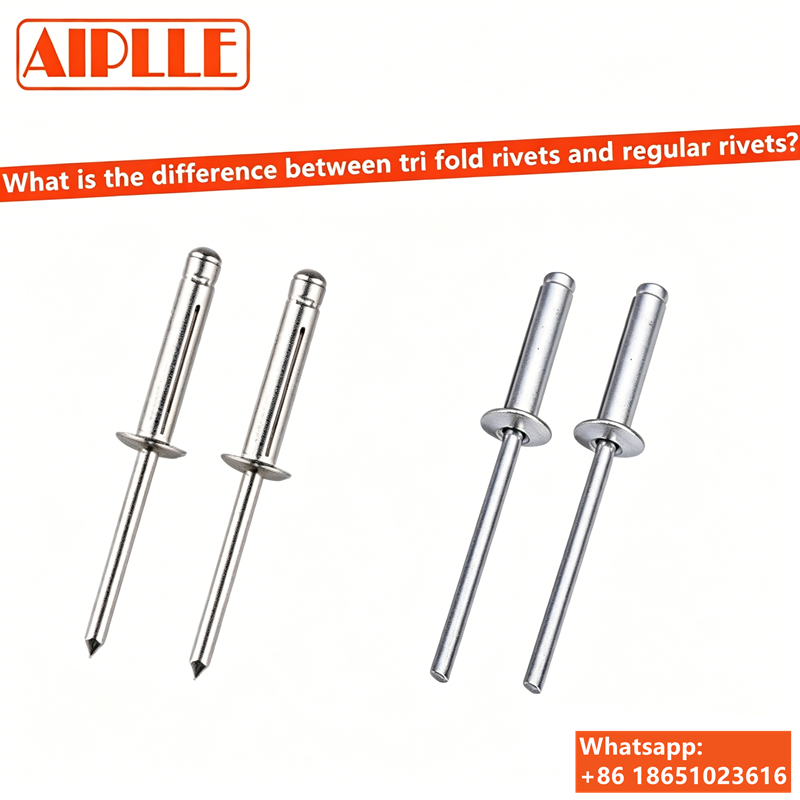
What Are Flat Rivets Called?
2026-07-01
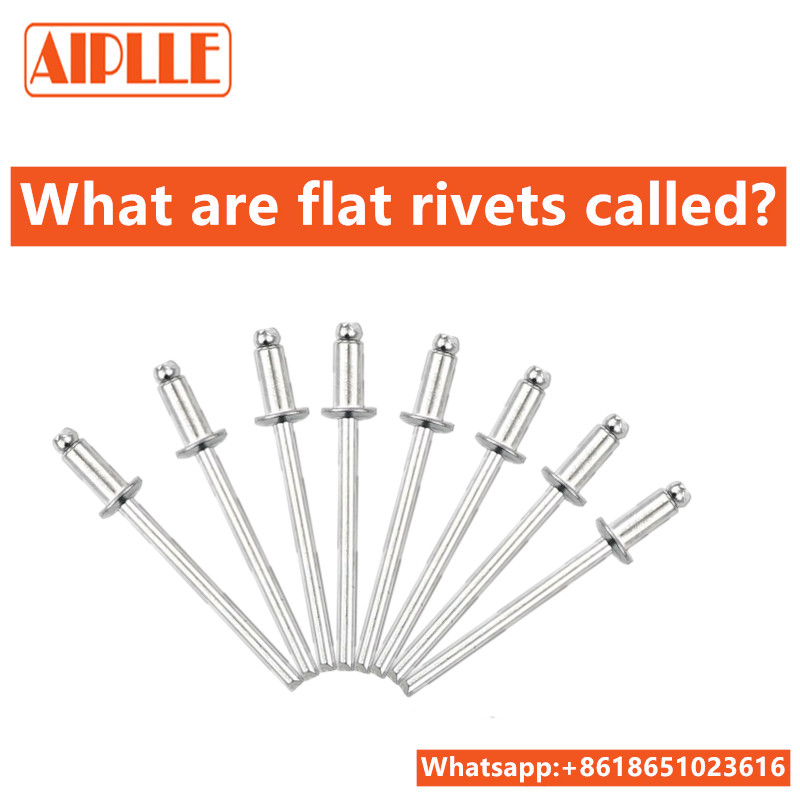
Flat rivets have different names depending on their head style, construction, and installation method. Common terms include flat head rivets, countersunk rivets, flush rivets, solid rivets, and blind rivets.
If you are wondering what flat rivets are called, first look at the rivet head. A flat head rivet keeps its head above the material surface, while a countersunk rivet fits into a prepared recess and creates a flush or low-profile finish.
Understanding these differences helps you choose the right flat rivet for your application.
What Is a Flat Rivet?
A flat rivet joins two or more components through a permanent mechanical connection. The term usually describes the rivet head rather than one specific rivet construction.
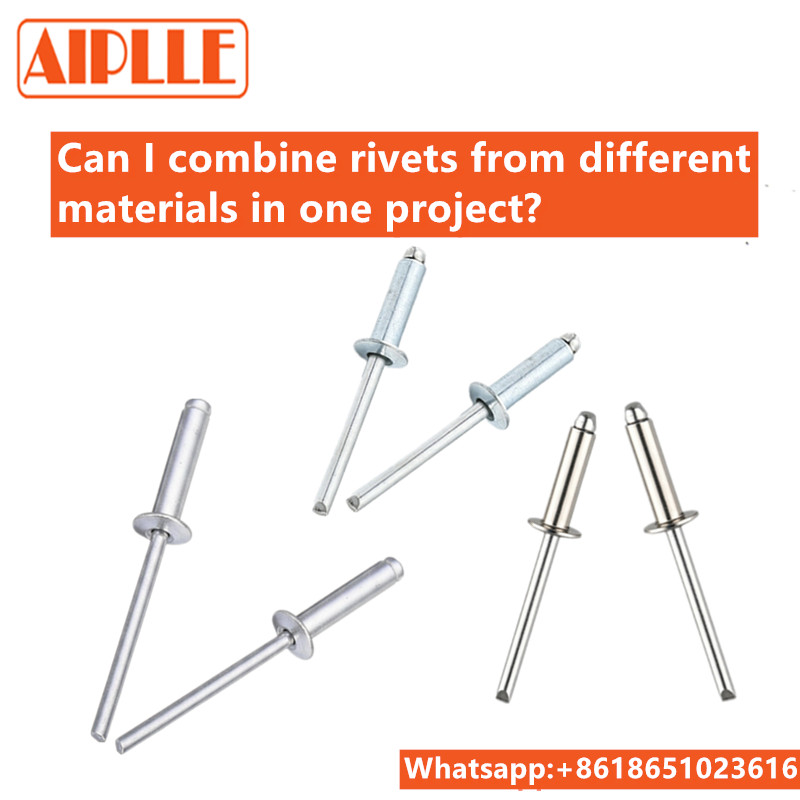
Manufacturers produce flat rivets in different configurations, including solid rivets and blind rivets. They also use materials such as aluminum, steel, copper, and stainless steel.
When choosing a flat rivet, consider:
• Head style
• Rivet type
• Rivet material
• Diameter
• Material thickness
• Grip range
• Required strength
• Installation access
• Corrosion resistance
Therefore, “flat rivet” alone may not provide enough information when you order a fastener.
What Are Flat Rivets Called?
People commonly use several names for flat rivets, depending on the head geometry.
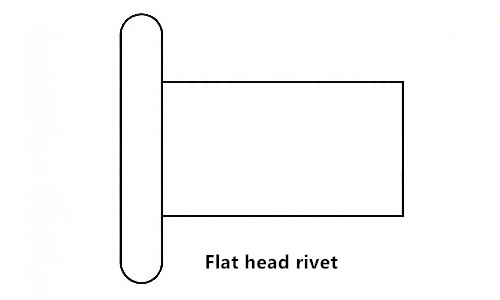
Flat Head Rivets/Solid Rivets
A flat head rivet has a relatively flat head that remains visible after installation.
This design works well when the application does not require a completely flush surface. Manufacturers offer flat head designs for both solid and blind rivets.
Countersunk Rivets
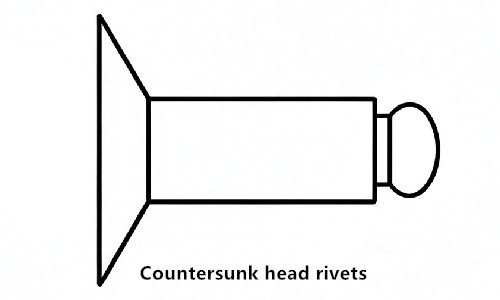
A countersunk rivet has an angled head that fits into a countersunk hole.
After installation, the head sits flush or nearly flush with the surrounding surface. This design works well when a protruding rivet head could interfere with another component.
Flush Rivets
A flush rivet leaves its head approximately level with the material surface.
The term describes the finished position of the rivet head rather than a specific rivet construction. Countersunk rivets commonly create this type of finish.
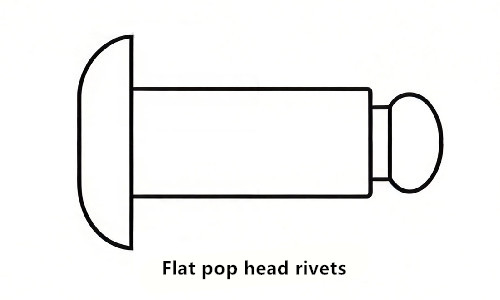
Flat Pop Rivets
A flat pop rivet generally refers to a blind rivet with a low-profile or countersunk-style head.
Because installers can set blind rivets from one side, they work well when the rear side of the joint remains inaccessible.
Flat Rivet Types
Solid Rivets
Solid rivets contain a solid rivet body, and installers normally need access to both sides of the joint.
The shank passes through the materials, and the installer forms the opposite end to create the second head. Solid rivets provide permanent mechanical joints for many fabrication and manufacturing applications.
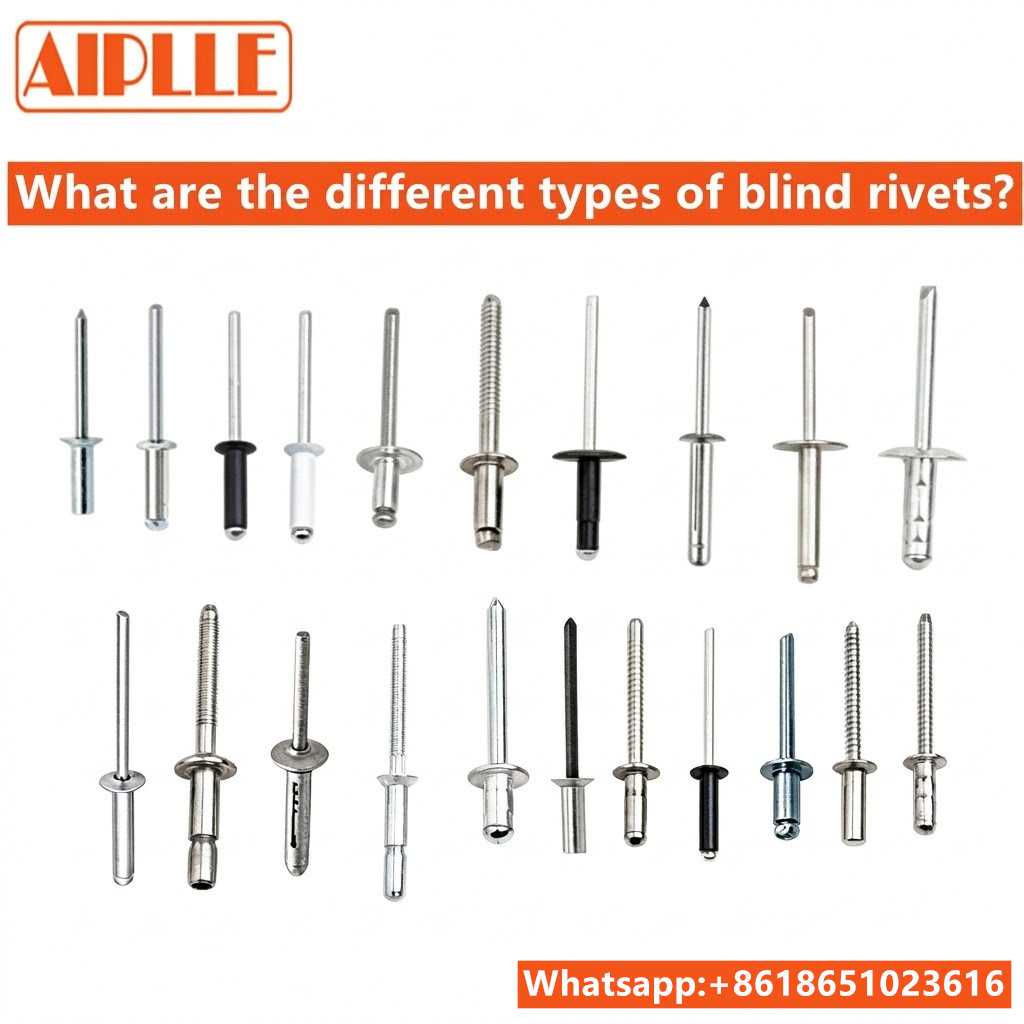
Blind Rivets
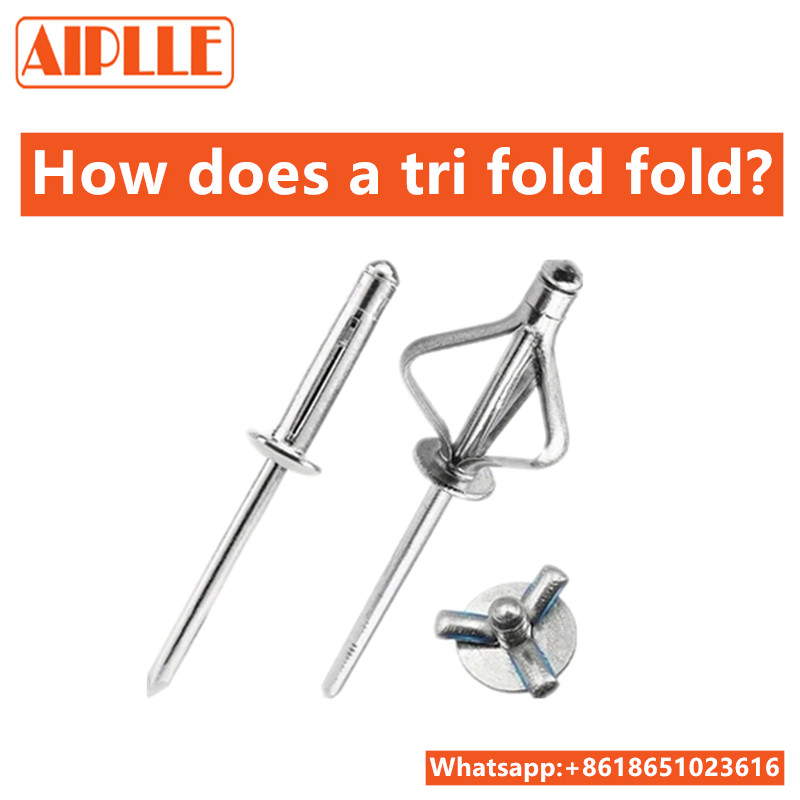
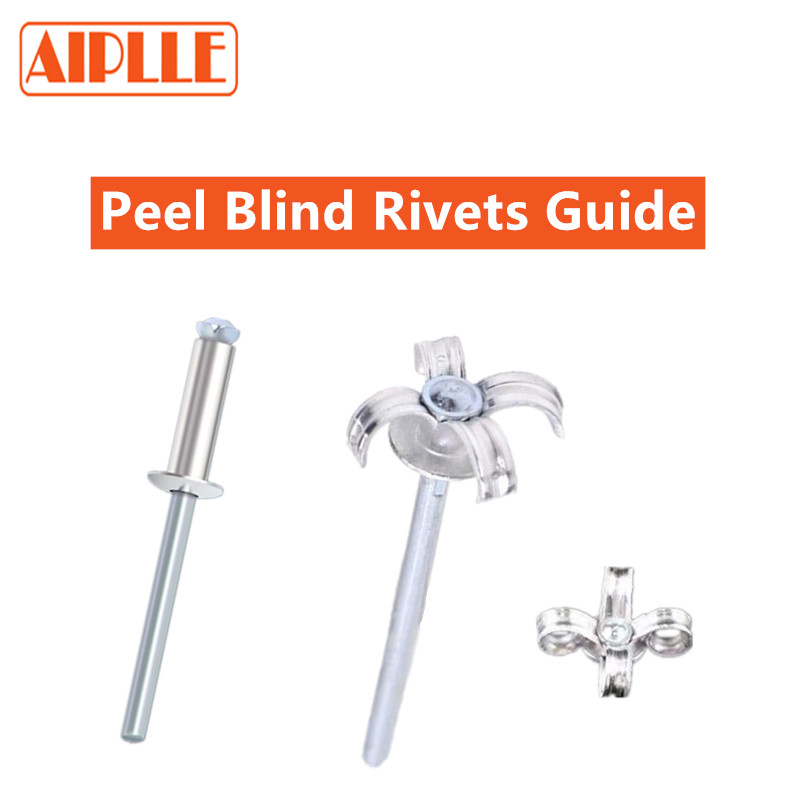
Blind rivets allow installers to join materials when they can access only one side of the joint.
Manufacturers commonly use them for sheet-metal panels, enclosures, brackets, and other assemblies where rear access is limited.
Structural Blind Rivets
Structural blind rivets target applications that require higher joint performance than conventional blind rivets.
Their designs can provide higher resistance to tensile and shear loads. For high strength applications, always check the manufacturer's technical specifications instead of choosing a rivet based only on appearance.
Flat Rivet Strength: Tensile vs. Shear Strength
When you select a flat rivet for a load-bearing joint, consider both tensile strength and shear strength.
Tensile strength describes the rivet's resistance to pulling forces along its axis.
Shear strength describes its resistance to forces acting across the rivet body.
The required strength depends on the rivet diameter, material, joint design, number of rivets, and applied load.
For structural or high-strength applications, check the manufacturer's published strength data before selecting the fastener.
Material Thickness and Grip Range
Material thickness plays an important role when you choose a blind rivet.
First, measure the combined thickness of all materials in the joint. Then choose a rivet whose grip range covers that measurement.
For example, if two sheets have a combined thickness of 6 mm, select a rivet with a grip range that includes 6 mm.
The rivet body must also extend through the joint far enough for the blind side to form correctly.
Choosing the wrong grip range can produce an improperly formed joint even when you select the correct rivet diameter.
Choosing the Right Rivet Material
The rivet material affects strength, weight, durability, and environmental resistance.
Aluminum
Aluminum rivets provide a lightweight fastening option and work well when weight reduction matters.
Steel
Steel rivets provide high mechanical strength for applications that require a stronger fastening material.
Stainless Steel
Stainless steel rivets provide durability and good corrosion resistance. They work well in environments exposed to moisture or corrosive conditions.
When you select a rivet material, also consider the materials in the joint. Material compatibility can help reduce the risk of galvanic corrosion.
How to Install a Flat Rivet
The installation method depends on the rivet type.
For a blind rivet:
1.Prepare the hole to the correct diameter.
2.Measure the combined material thickness.
3.Select a rivet with the correct grip range.
4.Insert the rivet body through the materials.
5.Position the correct rivet tool.
6.Operate the tool according to the manufacturer's instructions.
7.Inspect the joint after you install the rivet.
A countersunk rivet may also require a countersunk hole before installation.
Always follow the manufacturer's installation requirements for the specific fastener.
How to Choose a Flat Rivet
Before ordering a flat rivet, check these key specifications:
1. Head style
Choose a flat head when the rivet can remain above the surface. Choose a countersunk head when you need a flush or low-profile finish.
2. Rivet type
Choose a solid rivet when you can access both sides. Choose a blind rivet when you can access only one side.
3. Material thickness and grip range
Make sure the rivet's grip range covers the combined thickness of the materials.
4. Rivet material
Choose aluminum, steel, stainless steel, or another material according to strength and environmental requirements.
5. Strength
Check tensile and shear strength when the joint will carry significant loads.
6. Installation tools
Make sure you have a compatible rivet tool for the selected rivet.

-
1.What are flat rivets called?
-
2.Is a flat rivet the same as a flat head rivet?
-
3.Are flat rivets and countersunk rivets the same?
-
4.What are flat rivets used for?
Flat rivets can join sheet metal, enclosures, automotive components, lightweight structures, and other permanent assemblies.
Conclusion
So, what are flat rivets called? The answer depends on the rivet design.
When choosing a flat rivet, look beyond the name. Check the head style, rivet type, rivet material, material thickness, grip range, tensile strength, shear strength, and corrosion resistance to find the right fastener for your application.