




What is Common Causes of Blind Rivet Mandrel Breakage?
Mandrel breakage in blind rivets is a critical concern for manufacturers and assemblers, as it can disrupt production schedules, increase material waste, and compromise the structural reliability of finished products. As a professional blind rivet manufacturer, we have summarized the key factors contributing to mandrel breakage through years of production experience and industry practice, helping you effectively avoid this issue in assembly processes.
1. Core Factors Leading to Blind Rivet Mandrel Breakage
The most common causes of mandrel breakage are closely related to the production process of blind rivets and pre-installation inspection, mainly including the following aspects:
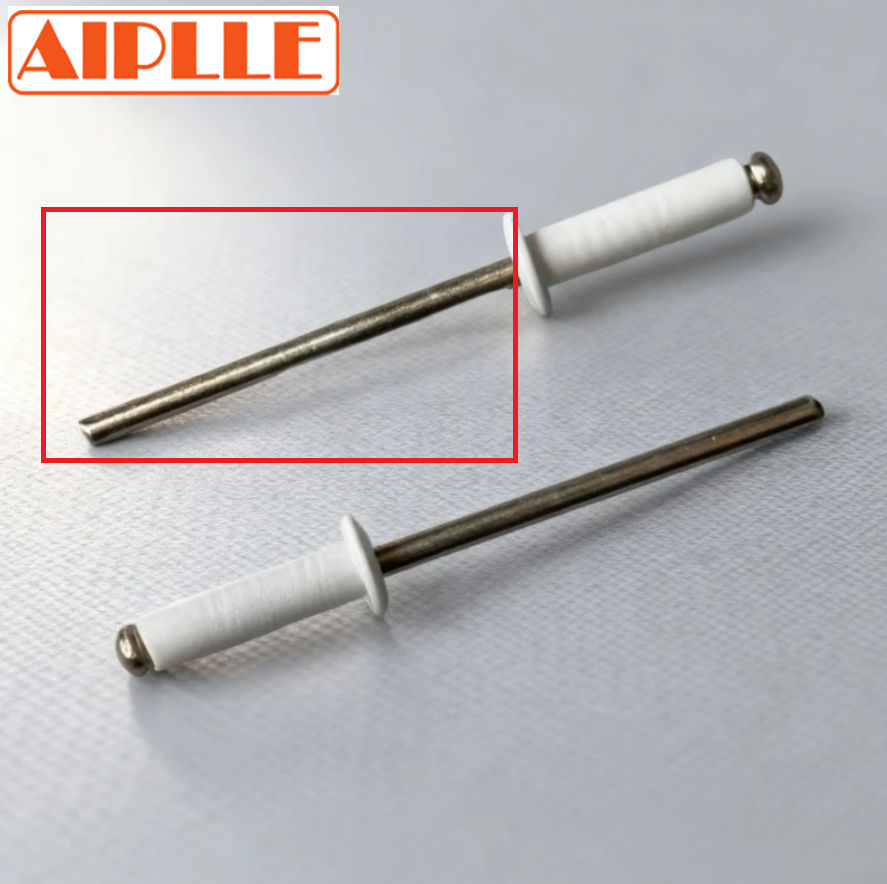
● Inconsistent Mandrel Tensile Strength: The tensile strength of the blind rivet mandrel is the core guarantee of its service life. If the raw material quality is uneven or the production process is not standardized, the tensile strength of the mandrel will be inconsistent. During the installation process, the mandrel with lower tensile strength will easily break under the action of installation force, affecting the assembly progress.● Overly Similar Break Point Force and Mandrel Tensile Strength: Each blind rivet mandrel has a designed break point force, which needs to be reasonably matched with its inherent tensile strength. If the two values are too close, the mandrel will not break at the preset position during installation, or even break prematurely, resulting in failure of the riveting process.
● Inadequate Heat Treatment: Heat treatment is a key link in improving the performance of the mandrel. Inadequate heat treatment (such as insufficient heating temperature, improper cooling speed) will make the mandrel brittle, reduce its toughness, and make it prone to fracture during the installation and riveting process.
● Pre-existing Mandrel Damage Before Riveting: During the transportation, storage or handling of blind rivets, the mandrel may be scratched, deformed or damaged due to improper operation. Such pre-damaged mandrels are easy to break at the damaged part during installation, which is a common and easily overlooked cause.
2. Industry Best Practices to Mitigate Mandrel Breakage
To effectively reduce the risk of blind rivet mandrel breakage, industry best practices emphasize the importance of proactive prevention, focusing on two key links:
First, strict pre-installation quality checks. Before assembly, it is necessary to carefully inspect each batch of blind rivets, check whether the mandrel has scratches, deformities or other damages, and verify the consistency of the mandrel's tensile strength and break point force to ensure that only defect-free blind rivets are used in the assembly process.
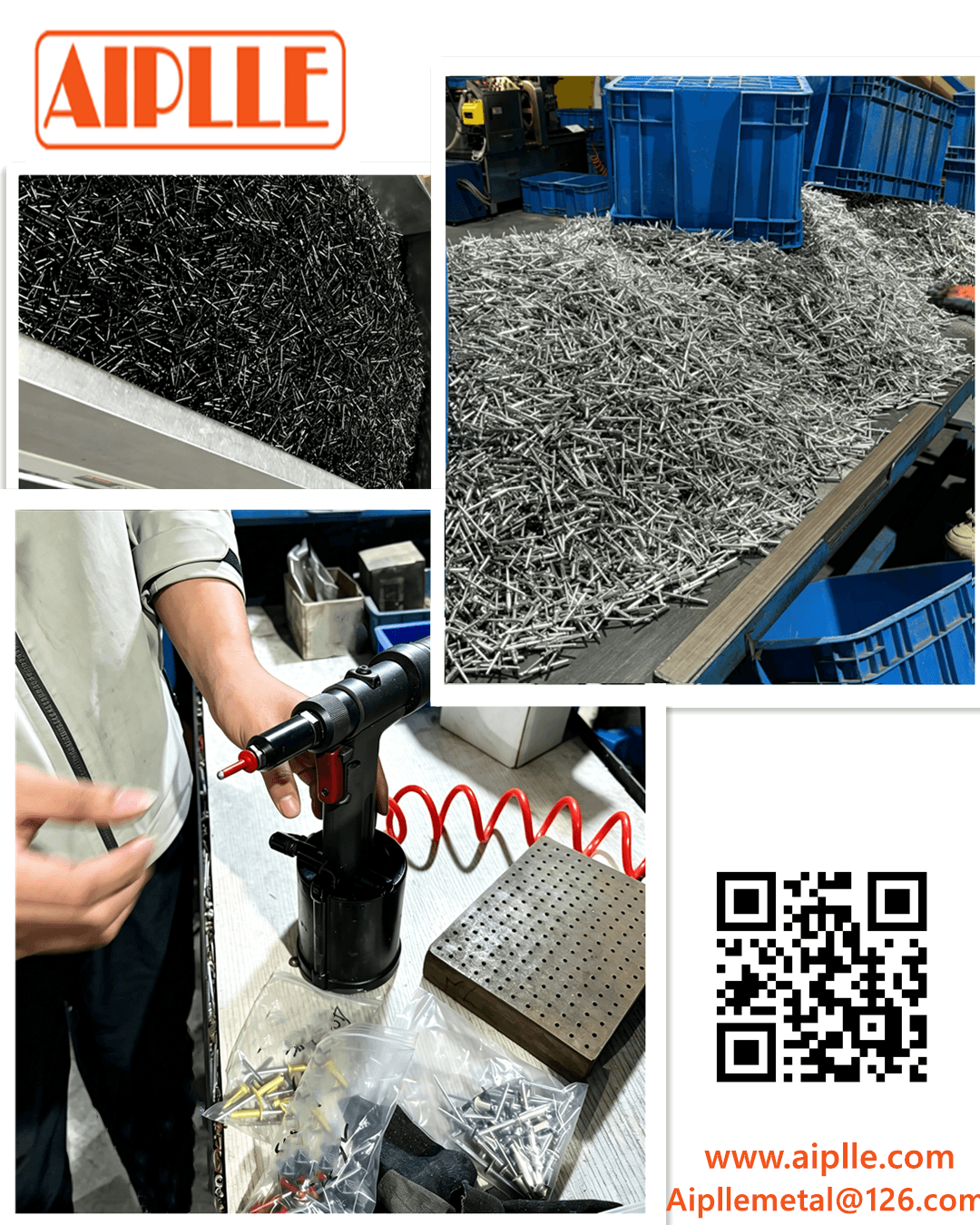
Second, optimize the production process of blind rivets. For manufacturers, optimizing the heat treatment process, strictly controlling the quality of raw materials, and standardizing the production process can fundamentally improve the stability of the mandrel's performance, reduce the probability of mandrel breakage from the source.
3. Conclusion
Blind rivet mandrel breakage is not an inevitable problem; it can be effectively controlled by addressing the root causes. Whether you are an assembler or a purchaser, understanding these common causes and implementing corresponding preventive measures is essential for minimizing mandrel breakage, ensuring production efficiency, and upholding the quality and safety of finished products. As a professional blind rivet factory, we are committed to providing high-quality blind rivets with stable performance, helping customers avoid the troubles caused by mandrel breakage.