
Rivet Color Guide: Types, Colors, Materials & Applications

Common Rivet Colors
Black Rivets
Black rivets work well when you want a dark fastener to blend with the surrounding surface. Manufacturers commonly use them on black metal panels, automotive components, furniture, equipment housings, and other dark-colored products.RAL9005.
You can choose black blind rivets in different diameters, materials, and grip ranges. Always match these specifications to the material thickness and rivet hole before installation.
White Rivets
White rivets suit white or light-colored surfaces. They can create a clean, low-contrast appearance on painted metal panels, furniture, equipment enclosures, and decorative products.RAL9010
When you select a white blind rivet, check the diameter, grip range, hole size, and base material as carefully as you would with any other rivet. The color affects appearance, but the rivet specification determines fastening performance.
Silver and Gold Rivets
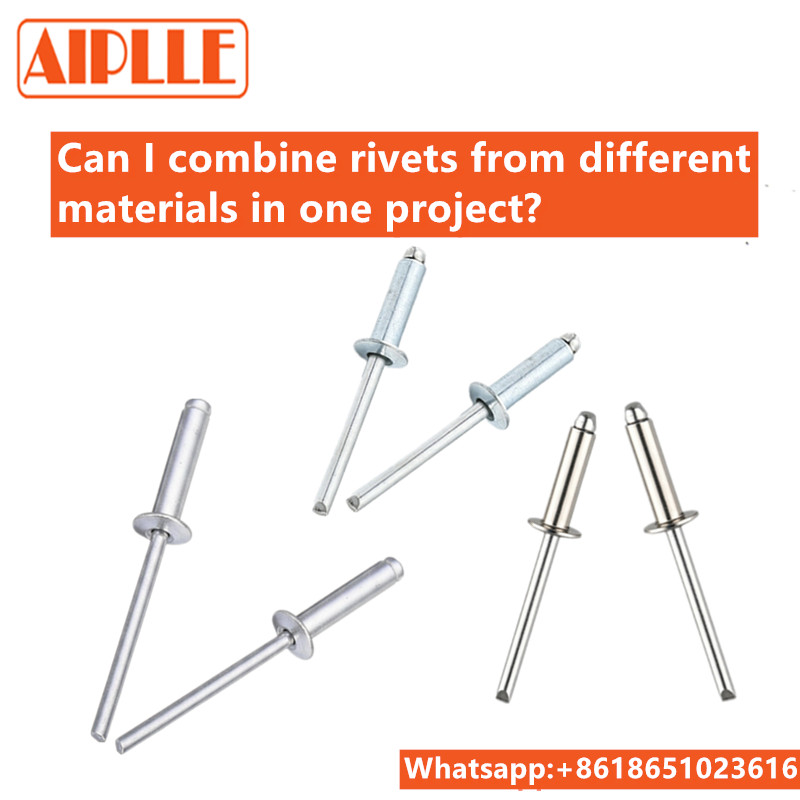
Silver rivets provide a neutral metallic appearance and can complement aluminum, steel, stainless steel, and other metal surfaces. Manufacturers often use them on equipment panels, metal enclosures, furniture, and general industrial products.
Gold rivets offer a more decorative appearance. They work well on furniture, leather goods, bags, decorative panels, crafts, and other products where the fastener remains visible.
Brown Rivets
Brown rivets can match leather, wood-related products, painted surfaces, furniture, and decorative panels. Manufacturers often choose this color when they want the fastener to blend with warm-colored materials.
You should still select the rivet based on diameter, length, grip range, material, and head style before choosing the final color.
Painted and Custom-Colored Rivets
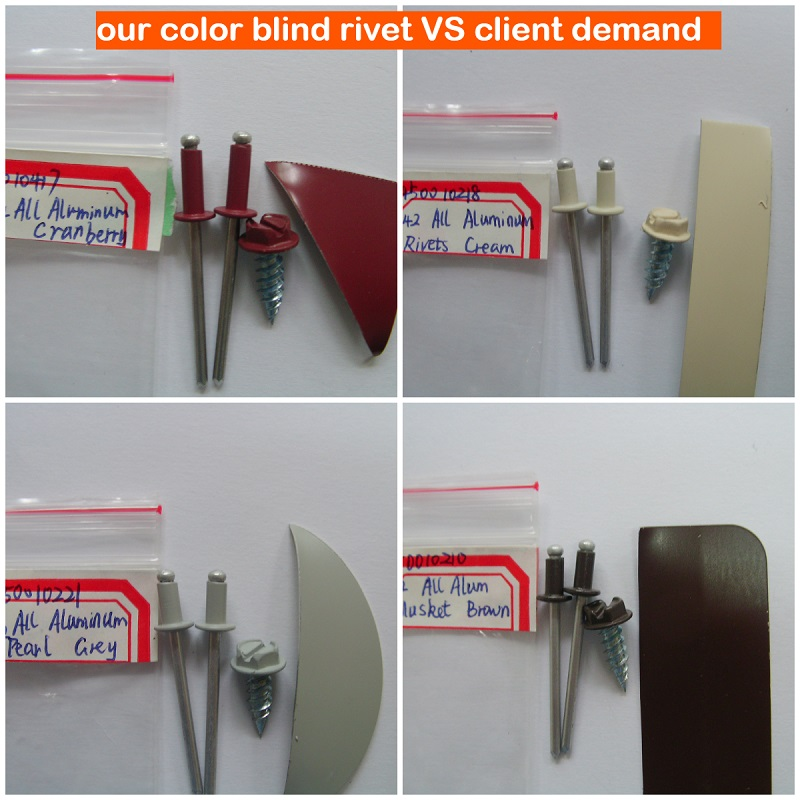
Painted rivets give you more options than standard metallic finishes. Depending on the production process and order requirements, suppliers can provide black, white, brown, gold, and other colors.
Some applications require a specific color to match a product coating or design. In these cases, you can provide a physical sample, drawing, photograph, or color reference to help confirm the required finish.
The color should not replace technical specifications. You should confirm the rivet body material, mandrel material, diameter, grip range, and surface finish before production.
How to Choose the Right Rivet Color
Start by identifying the appearance you want to achieve.
If you want the rivet to blend into the product, choose a color that closely matches the surrounding panel, coating, paint, leather, or other material. If you want the fastener to stand out, choose a contrasting color or a decorative finish.
Next, confirm the technical requirements. Check:
- Rivet type
- Rivet diameter
- Grip range
- Hole size
- Material thickness
- Rivet body material
- Mandrel material
- Head style
- Installation method
- Required color and finish
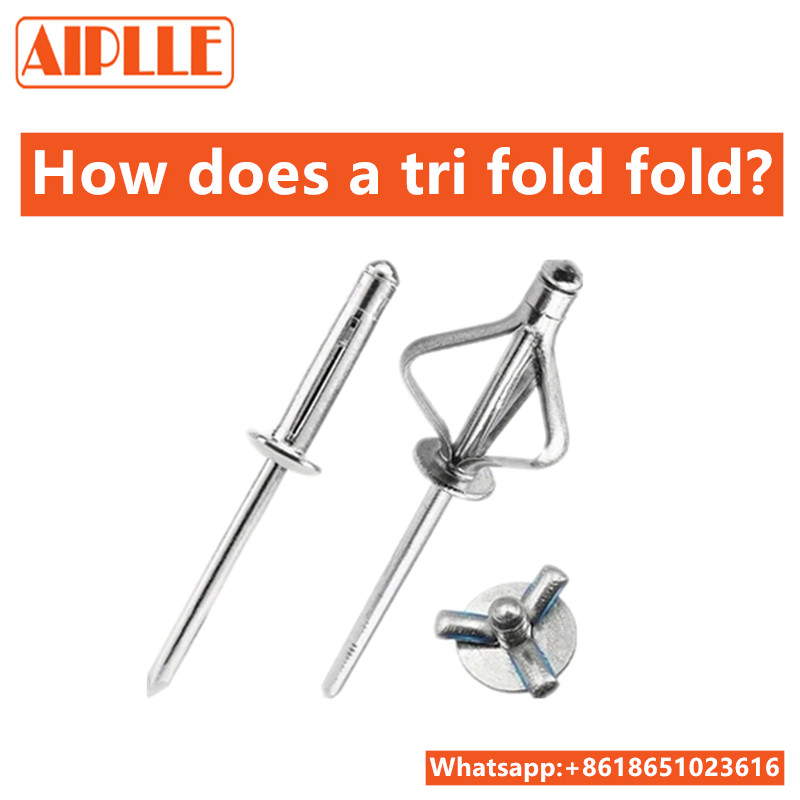
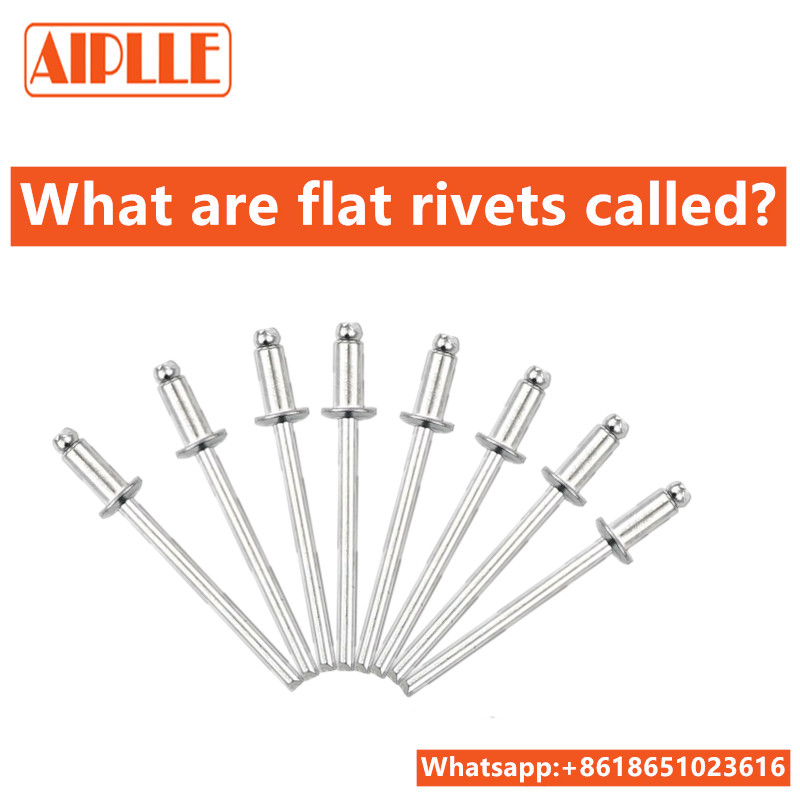
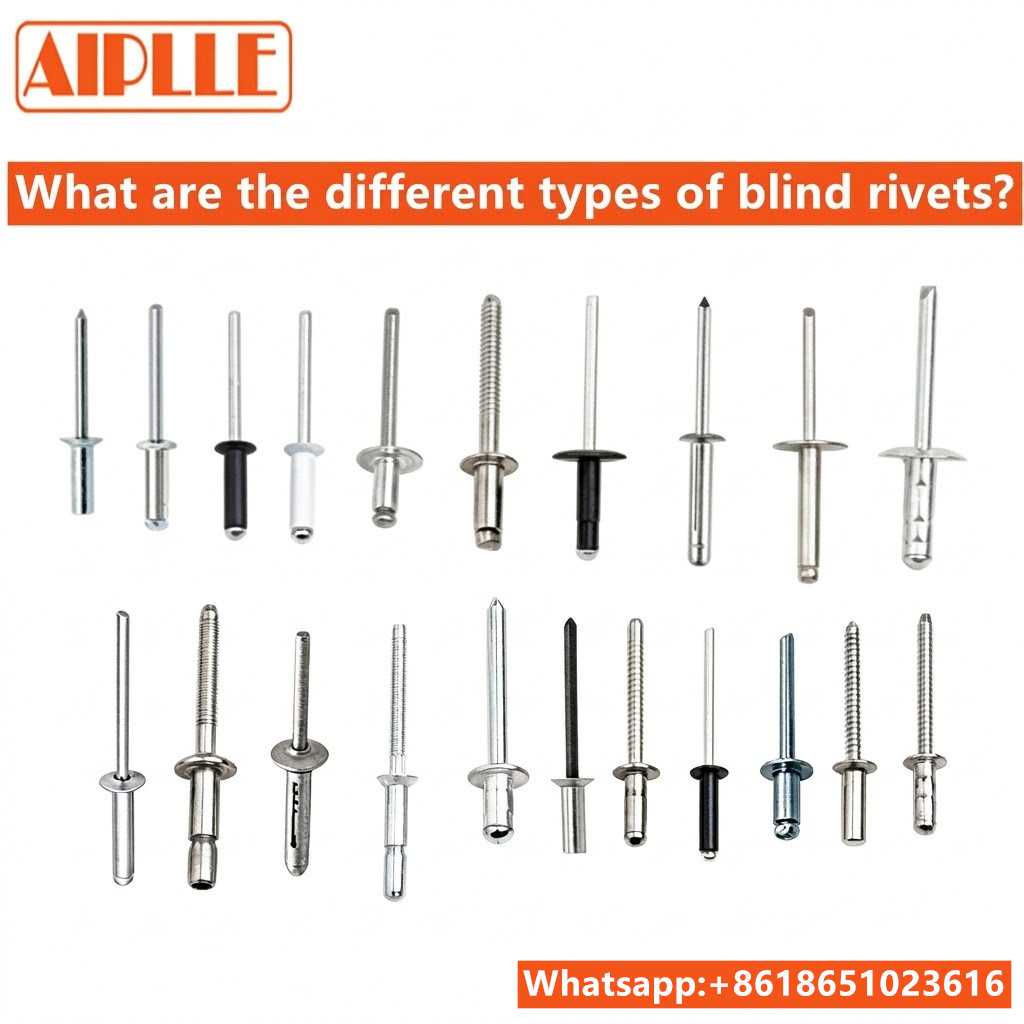
For one-sided installation, blind rivets, also called pop rivets, provide a practical solution. Solid rivets normally require access to both sides of the workpiece.
Colored Blind Rivet Installation
Proper installation helps maintain both the appearance and performance of a colored rivet.
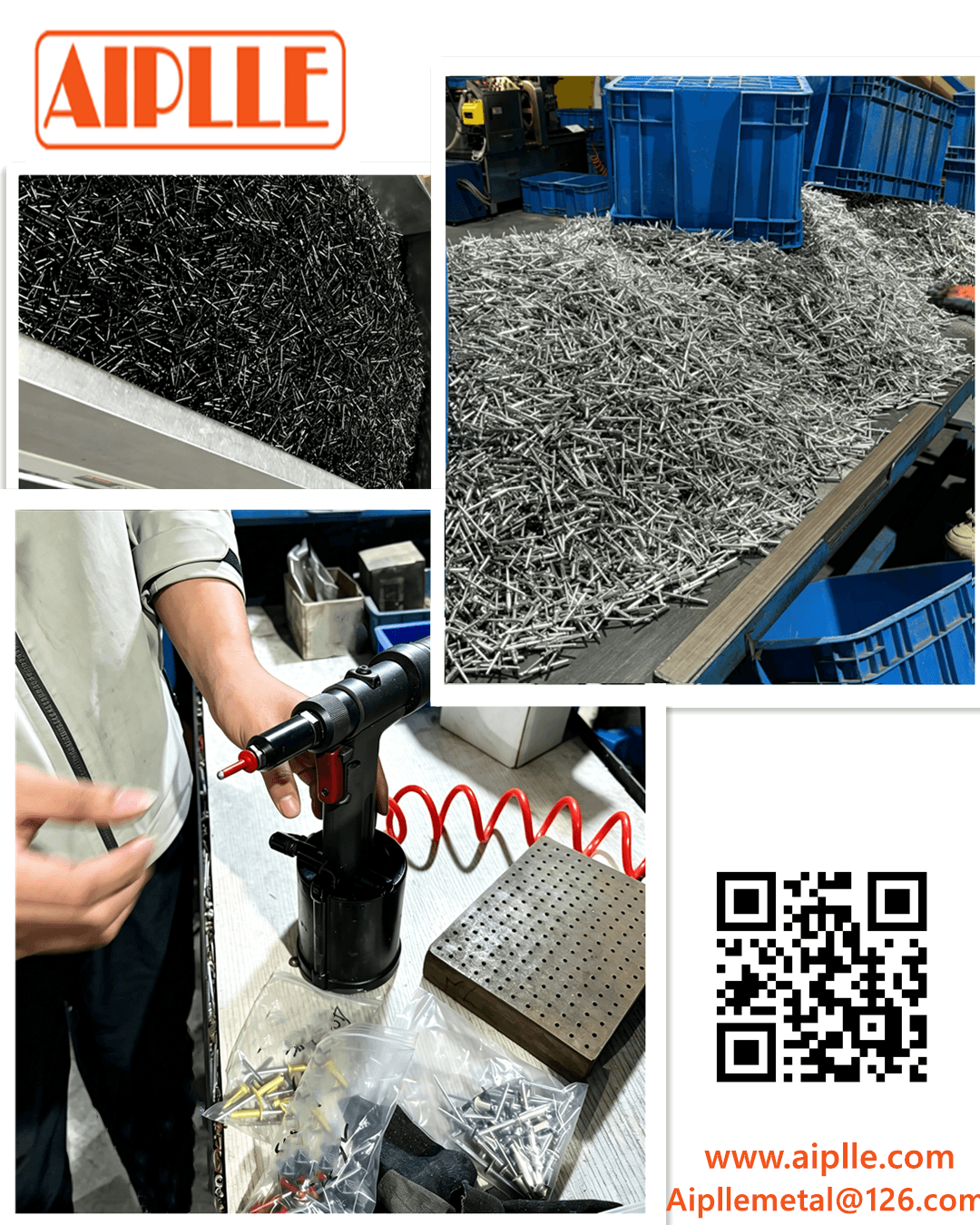
First, prepare the rivet hole according to the selected rivet diameter. Align the workpieces and remove excessive burrs from the hole. A properly prepared hole allows the rivet body to pass through the materials correctly.
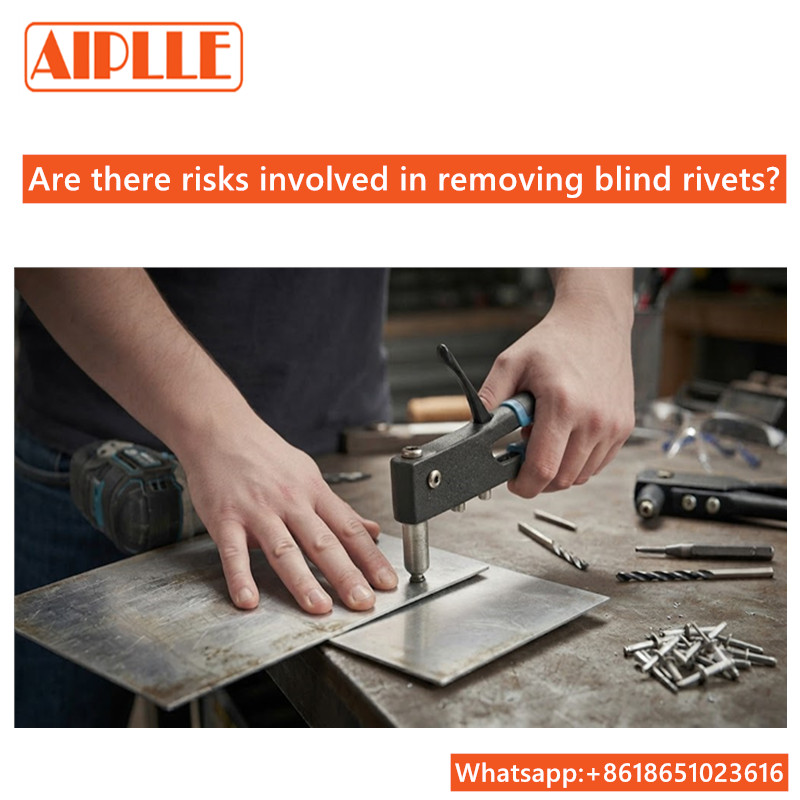
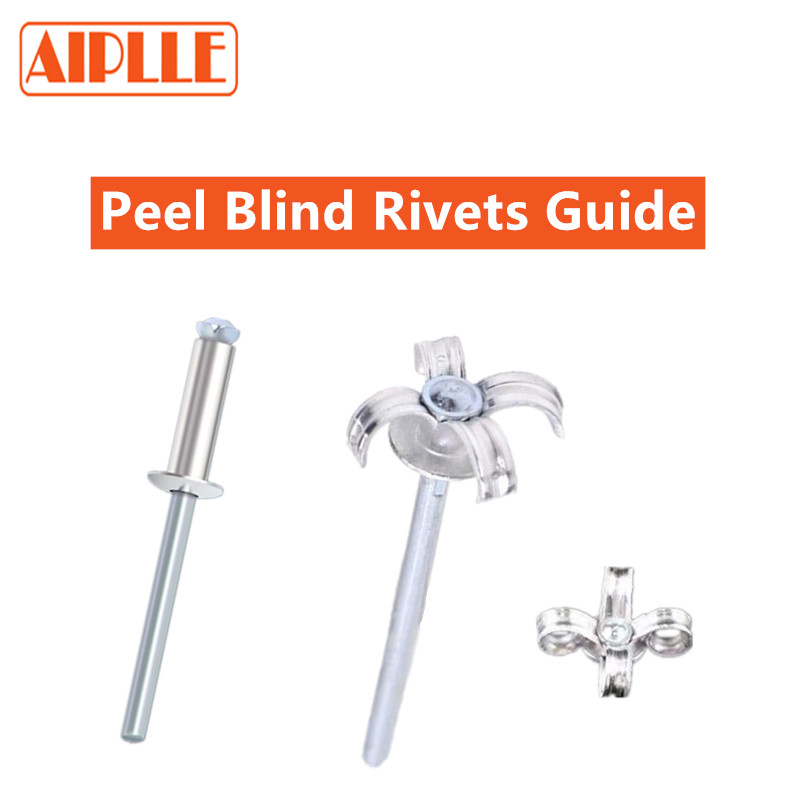
Insert the blind rivet through the hole until the rivet head contacts the workpiece. Then use a compatible pop rivet tool or rivet gun to pull the mandrel.
As the tool pulls the mandrel, the rivet body expands behind the workpiece and forms the joint. After installation, inspect the rivet head to make sure it sits correctly against the surface.
Choose a manual rivet tool for occasional work or pneumatic and hydraulic equipment for higher-volume production. Always make sure the tool matches the rivet size and design.
Decorative Rivet Applications
Colored and decorative rivets work particularly well when the fastener remains visible.
In the automotive industry, manufacturers can use black, white, silver, or other colored rivets on panels, brackets, interior components, and equipment housings.
Furniture manufacturers can use colored rivets to match painted metal, wood, or leather. Gold and silver rivets can also create a decorative detail when the fastener forms part of the product design.
Leather products such as bags, belts, cases, and accessories can use black, brown, gold, or silver rivets to complement the material.
Manufacturers also use colored blind rivets on metal panels, electrical enclosures, equipment housings, and other products that require both reliable fastening and a consistent appearance.
What Information Do You Need to Order Colored Rivets?
When you request a quotation, provide as much information as possible. The supplier may need:
- Rivet type
- Diameter and length
- Grip range
- Body and mandrel material
- Head style
- Surface finish
- Required color
- Material thickness
- Hole size
- Application
- Quantity
- Packaging requirements
For custom colors, provide a physical sample, product drawing, photograph, or color reference whenever possible.
FAQ
1.What colors are available for blind rivets?
Common options include black, white, silver, gold, and brown. Suppliers may also offer custom colors depending on the material, finish, production process, and order quantity.
2.Can I order custom-colored blind rivets?
Yes. Manufacturers can produce colored blind rivets for specific appearance requirements. A sample or color reference can help confirm the required finish.
3.Does rivet color indicate the rivet material?
No. Rivet color does not necessarily indicate the base material. A colored rivet may use aluminum, steel, stainless steel, or another suitable material with a surface finish or coating.
4.How do I choose the correct colored rivet?
Choose the rivet type, diameter, grip range, material, hole size, and head style first. Then select the color and finish according to the product's appearance requirements.
5.What tool do I need for pop rivets?
A pop rivet tool or compatible rivet gun can install standard blind rivets. Manual tools work well for occasional installation, while pneumatic or hydraulic tools suit higher-volume production.
The right rivet color can help create a clean and consistent finished product. Black, white, silver, gold, brown, and custom-colored rivets can support applications in automotive components, furniture, leather goods, metal panels, equipment, and decorative products.
Choose the technical rivet specifications first, then select the color and finish that match the application. This approach helps ensure that your colored rivet provides both reliable fastening and the appearance you need.
AIPLLE METAL supplies colored blind rivets in different materials, sizes, finishes, and colors. Contact us with your drawing, sample, application details, or color reference to discuss your requirements.