
Are Stainless Steel Blind Rivets Better Than Other Rivet Types?
Stainless steel blind rivets is more stable during material ,strength ,funcation.
1. Core Advantages: Why Stainless Steel Blind Rivets Perform Better
Stainless steel blind rivets are widely recognized for their comprehensive performance. The following key advantages explain why they are a better choice for most professional projects.
1.1 Wonderful Corrosion and Rust Resistance
The biggest highlight of stainless steel blind rivets is their excellent anti-corrosion capability. Made from 304 or 316 stainless steel, these rivets resist oxidation, moisture, salt spray, and chemical erosion effectively.stainless steel blind rivets can maintain stable performance in humid outdoor environments, coastal areas, and chemical workshops. This feature makes them far more durable for long-term outdoor and industrial applications.
1.2 Higher Tensile and Shear Strength
They feature high tensile strength and shear resistance, which can firmly connect hard materials such as metal plates, stainless steel sheets, and thick plastic panels. They are not easy to deform, loosen or break under heavy load, vibration, and mechanical stress.
1.3 Excellent High and Low Temperature Resistance
Stainless steel materials have stable physical properties in extreme temperatures. Stainless steel blind rivets will not soften, melt or become brittle in high-temperature environments, nor will they crack or lose fastening force in low-temperature cold environments. This temperature adaptability allows them to be used in aerospace, automotive, mechanical equipment, and refrigeration equipment scenarios, where ordinary rivets cannot work stably.
1.4 Long Service Life and Low Maintenance Cost
stainless steel blind rivets have an ultra-long service life. Once installed, they rarely need replacement or maintenance, avoiding frequent fastener failure and secondary construction problems caused by rust and damage. In the long run, they reduce the overall maintenance cost of the project, bringing higher cost performance for long-term use.
2. Disadvantage of Stainless Steel Blind Rivets
While stainless steel blind rivets are better in overall performance, they are not suitable for all scenarios. They also have certain limitations compared with other rivet materials.
First, stainless steel blind rivets are heavier than aluminum rivets. For lightweight projects such as lightweight aircraft parts, precision electronic equipment, and portable daily products, excessive weight may affect the overall product performance.
Second, their cost is higher. The raw material and processing cost of stainless steel is higher than carbon steel and aluminum, so the unit price of stainless steel blind rivets is more expensive. For temporary, low-load and indoor ordinary DIY projects, choosing stainless steel rivets will cause unnecessary cost waste.
In addition, stainless steel rivets have higher hardness, which requires greater pulling force during installation. Ordinary manual rivet tools may face labor-intensive installation problems, and professional pneumatic rivet guns are usually required for efficient construction.
3. Stainless Steel Blind Rivets vs. Aluminum / Carbon Steel Rivets: Direct Comparison
To intuitively answer "are stainless steel blind rivets better", we compare them with two mainstream rivet types in the market:
3.1 VS Aluminum Blind Rivets
Aluminum rivets are lightweight, low-cost and easy to install, suitable for indoor light-load fastening, furniture assembly, and simple DIY crafts. However, they have poor strength and corrosion resistance, and are easy to deform and oxidize in outdoor and high-vibration environments. Stainless steel blind rivets are better in strength, durability and environmental adaptability, while aluminum rivets win in lightweight and economy for simple scenarios.
3.2 VS Carbon Steel Blind Rivets
Carbon steel rivets have high strength and low price, but they are extremely easy to rust when exposed to moisture and air. They can only be used for dry indoor short-term projects. Stainless steel blind rivets retain the high strength of steel materials while solving the rust pain point, with far better comprehensive performance and service life, making them more suitable for permanent fastening projects.
4. When Are Stainless Steel Blind Rivets the Better Choice?
You should prioritize stainless steel blind rivets in the following scenarios, where they can exert their maximum advantages:
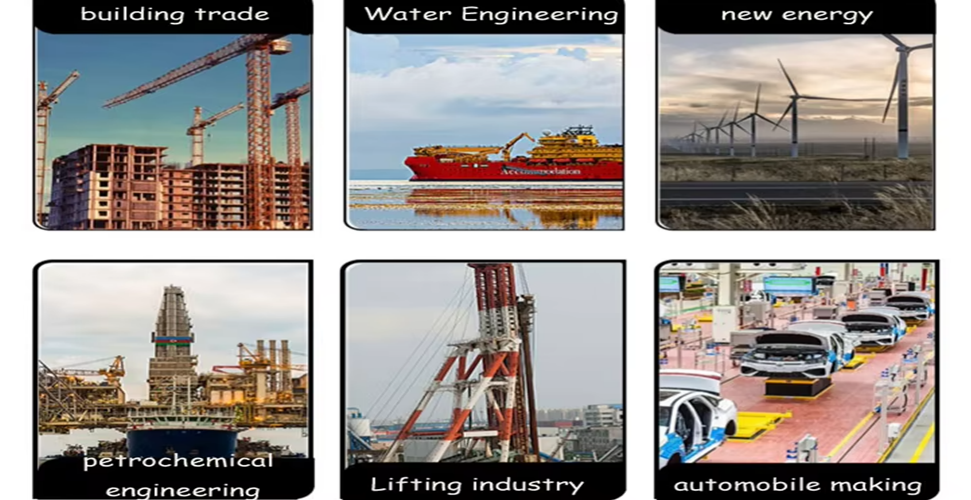
1.Outdoor facilities: guardrails, billboards, outdoor furniture, solar equipment, and outdoor metal brackets
2.Marine and coastal projects: ship accessories, coastal architectural fasteners, and seaside equipment (316 stainless steel is recommended)
3.Automotive and mechanical equipment: car body parts, mechanical casings, and vibration-prone structural parts
4.Humid and corrosive environments: kitchen equipment, chemical machinery, and bathroom hardware
5.Permanent fastening projects: engineering construction, container assembly, and fixed structural connections
5. Conclusion: Are Stainless Steel Blind Rivets Worth Choosing?
So, are stainless steel blind rivets better? For most professional, outdoor, long-term and high-strength fastening projects, stainless steel blind rivets are absolutely the better choice.
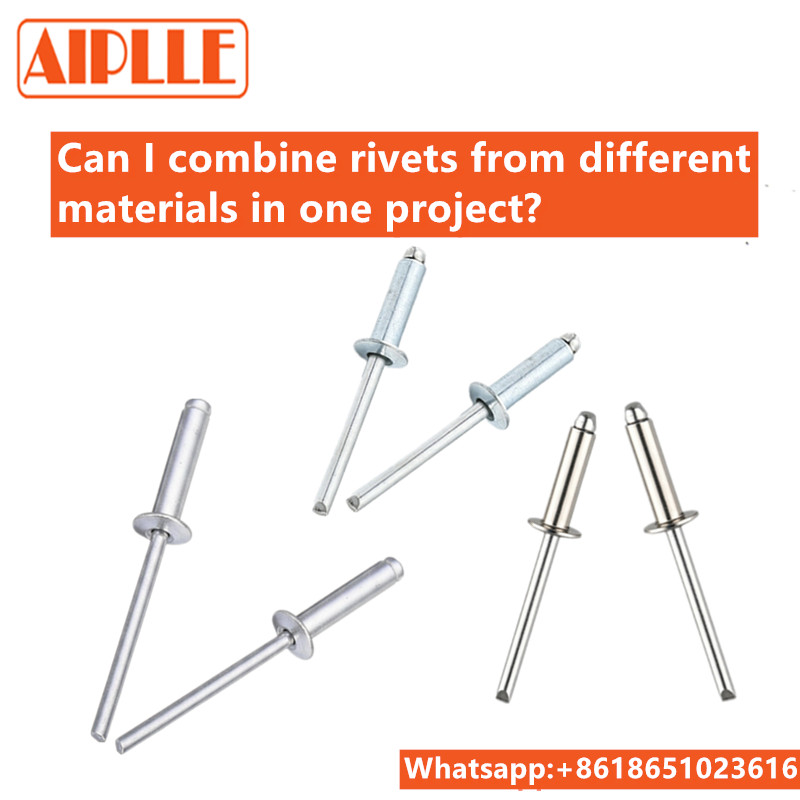
Stainless steel large flange blind rivets