
Aluminum vs Steel vs Stainless Steel Blind Rivets
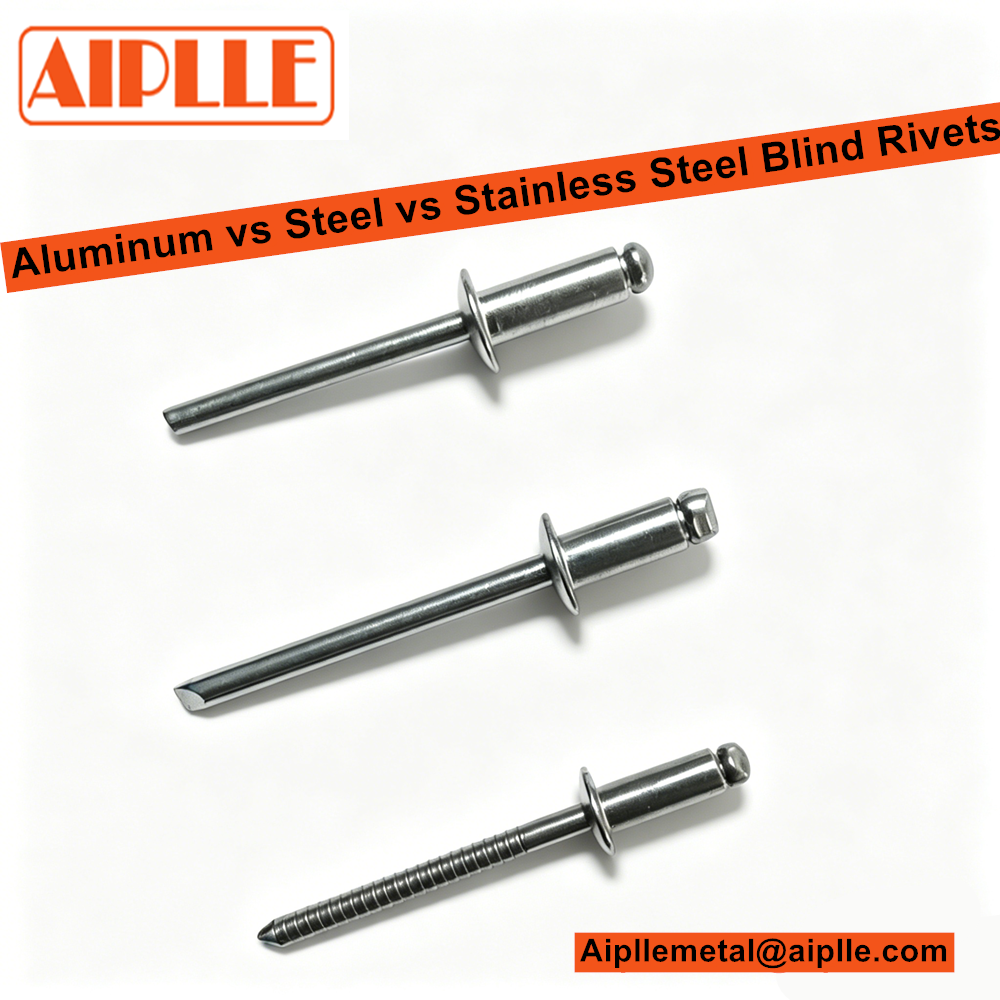
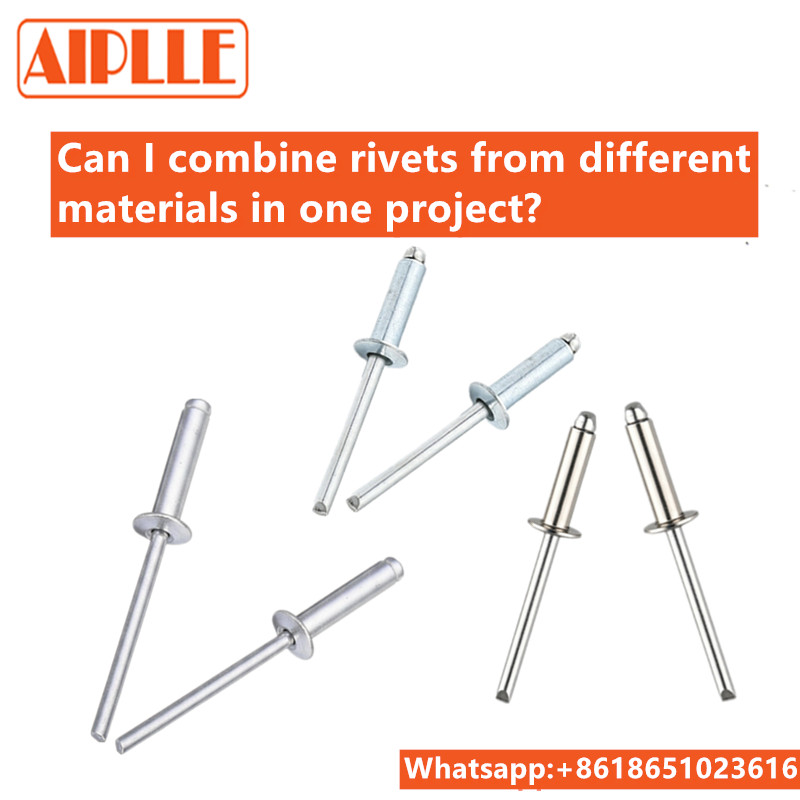
The material of a blind rivet can affects its strength, corrosion resistance, weight, and application scope. Choosing the right blind rivet material is as important as selecting the correct size—whether you need lightweight fasteners for DIY projects or heavy-duty options for industrial use, Know the differences between aluminium blind rivets, stainless steel blind rivets, steel blind rivets, and other materials will help you make the best choice.
1. Aluminium Blind Rivets (Aluminum Blind Rivets)
Aluminium blind rivets are the most widely used type. They are available in both standard and decorative finishes, making them suitable for a wide range of applications.
- Key Features: Lightweight (about 1/3 the weight of steel), easy to install, good electrical conductivity, and resistant to general corrosion. They are malleable, so they can adapt to slight material deformation without breaking.
- Applications: Ideal for fastening aluminum sheets, light metal components, plastic panels, wood, and automotive parts. Common in DIY projects, furniture assembly, and architectural decoration. .
- Note: Aluminium blind rivets are softer than steel, so they have lower tensile strength. For outdoor applications with high humidity, opt for anodized aluminium to enhance corrosion resistance.
2. Stainless Steel Blind Rivets
Stainless steel blind rivets are known for their exceptional corrosion resistance and high strength, making them the top choice for harsh environments. They are available in 304 and 316 grades, with 316 offering better resistance to saltwater and chemicals.
- Key Features: High tensile and shear strength, excellent corrosion resistance (resistant to rust, saltwater, and most chemicals), and durability. They are heavier than aluminium but more durable in harsh conditions.
- Applications: Perfect for marine environments (boat manufacturing, offshore equipment), outdoor construction, food processing equipment, and industrial machinery. They are also used in areas where hygiene and corrosion resistance are critical.
- Note: Stainless steel blind rivets are harder than aluminium, so they require a more powerful rivet tool for installation. They are also more expensive than aluminium options.
3. Steel Blind Rivets
Steel blind rivets are a cost-effective heavy-duty option, offering high strength for load-bearing applications. They are typically made of carbon steel , with a zinc coating to improve corrosion resistance.
- Key Features: High tensile strength, durability, and affordability. Zinc-plated steel blind rivets provide basic corrosion resistance, while hot-dipped galvanized options offer better protection.
- Applications: Suitable for heavy-duty industrial projects, structural components, metal frames, and machinery. They are commonly used in construction, automotive chassis, and heavy equipment.
- Note: Uncoated steel blind rivets are prone to rust, so they are not recommended for outdoor or humid environments unless coated. They are heavier than aluminium and less corrosion-resistant than stainless steel.
4. Copper Blind Rivets
Copper blind rivets are less common but offer unique advantages, particularly in electrical and decorative applications. They are malleable and have excellent electrical conductivity.
- Key Features: Excellent electrical conductivity, good malleability, and a distinctive appearance. They are resistant to corrosion in non-saltwater environments.
- Applications: Ideal for electrical enclosures, grounding applications, and decorative projects (e.g., leather goods, furniture). They are also used in plumbing and HVAC systems.
- Note: Copper blind rivets are softer than steel and stainless steel, so they are not suitable for heavy-load applications. They are more expensive than aluminium and steel.
How to Choose the Right Material
- For lightweight, cost-effective, and general applications: Choose aluminium blind rivets.
- For harsh environments (saltwater, chemicals) or high corrosion resistance: Choose stainless steel blind rivets.
- For heavy-load, industrial applications: Choose steel blind rivets (zinc-plated or galvanized).
- For electrical or decorative applications: Choose copper blind rivets.
- For non-conductive, light-duty, or delicate materials: Choose plastic blind rivets.
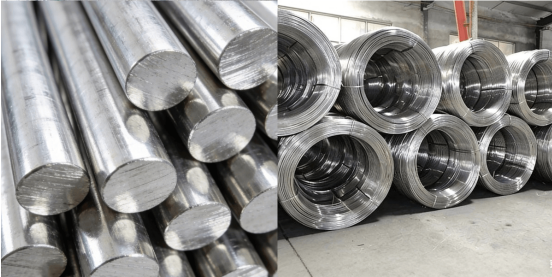
By understanding the strengths and applications of each material, you can select the perfect blind rivet for your project.For more material details,You can search material knowledgeor contact us !