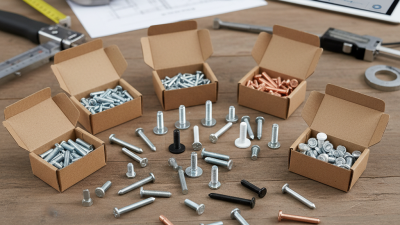
Picking the right fastener can actually make all the difference—whether a panel stays securely in place or starts rattling after a bit of vibration. Aluminum Tri-Fold Pop Rivets are awesome for blind-side installations, especially when you don’t have much access. Their clever three-part expansion helps spread the clamping force evenly across thin, soft, or brittle materials. That detail really matters, especially when you're working on trailers, ventilation panels, signs, furniture, or lightweight enclosures.
Industry reports back this up, showing there's still strong demand for the right fasteners in construction, transportation, and manufacturing. Sites like Grand View Research point out that lightweight materials are a big deal, especially in automotive applications. And the International Aluminium Institute keeps emphasizing aluminum’s important role in transport and engineered products because it’s light and highly recyclable. But here’s the kicker—this doesn’t mean every rivet is suitable for every job. It just makes paying attention to specs that much more important.
In this guide, I’ll share seven practical tips for buying Aluminum Tri-Fold Pop Rivets. We’ll talk about things like rivet diameter, grip range, mandrel design, head style, alloy compatibility, packaging, and how reliable your supplier is. Always take a close look at the joint. For example, a 4.8mm rivet might work perfectly for one panel but could fail if the combined material thickness changes. Using All Aluminum Tri-Fold Blind Rivets can help minimize galvanic corrosion in aluminum assemblies, but don’t forget to check surface conditions too.
And don’t assume the cheapest box is the best deal—that’s a mistake. It’s worth reviewing published test data, ISO standards, batch consistency, and even installation results before placing a big order. Doing a small trial run can highlight issues like pull-through, loose stems, or uneven expansion, which can save a lot of headaches later. Sure, practical experience helps, but relying on documented evidence is the smarter way to go.

Understand Aluminum Tri Fold Pop Rivet Design and Function
7 Tips for Buying Aluminum Tri Fold Pop Rivets
Aluminum tri fold pop rivets are designed for fastening thin, flexible, or fragile materials. Their body splits into three legs during installation. These legs spread behind the panel and create a broad bearing surface. This design helps reduce pull-through, especially in soft plastics, composite sheets, and lightweight boards. The rivet does more than fill a hole.
Check the rivet’s grip range before buying. The combined thickness of the materials must fit within that range. A rivet that is too short may not form its folding legs correctly. One that is too long can leave an uneven joint. Measure the panels with a caliper when possible. Small errors matter. Also inspect the mandrel and head diameter, since both affect tool compatibility and load distribution.
Choose aluminum when low weight and corrosion resistance are important. However, aluminum is softer than steel, so it may not suit high-load joints or abrasive environments. Match the rivet diameter to the hole, rather than forcing a loose fit. The hole should be clean, round, and free from burrs. During installation, stop when the folds sit firmly against the rear surface. Excessive tool pressure can deform the sheet. I once assumed a wider fold always meant a stronger joint; that is not reliably true. Material thickness, hole quality, and joint movement matter just as much. Verify samples under realistic vibration and pull conditions before purchasing in quantity.
Match Rivet Materials with Your Project Requirements
Aluminum tri fold pop rivets suit thin, brittle, or flexible panels because their legs spread behind the material. The aluminum body offers low weight and useful corrosion resistance in many indoor applications. However, aluminum is softer than steel. It may not withstand heavy vibration or high structural loads. Match the rivet body to the panel, not just the tool.
Check seven details before buying: panel thickness, grip range, hole diameter, body diameter, mandrel material, surface exposure, and expected load. Fit matters. A rivet with too little grip may pull through. One with excessive grip may fail to form cleanly. An aluminum mandrel keeps the assembly light, while a steel mandrel usually provides greater setting strength. Stainless options can perform better in damp areas, but mixed metals may create galvanic corrosion.
I have seen installers choose stainless parts for every project, then discover damaged aluminum sheets around the holes. Material pairing needs judgment. Use aluminum rivets with compatible panels when appearance and corrosion control matter. Consider coated or sealed surfaces near rain, salt, or cleaning chemicals. Test first. Set sample rivets in matching scrap, then inspect the formed backside and panel surface. A properly expanded tri fold should hold firmly without crushing the sheet. Keep records. Small differences in panel hardness, hole quality, and tool pressure can change the result.
7 Tips for Buying Aluminum Tri-Fold Pop Rivets: Match Rivet Materials with Your Project Requirements
The chart compares the typical density of common rivet-body materials. Aluminum is lightweight and is often suitable for aluminum panels, while zinc-plated carbon steel offers higher load capacity but needs adequate corrosion protection. Stainless steel is heavier and generally better suited to wet or salt-exposed applications, although galvanic compatibility with the joined materials should be checked.
- Choose the rivet body material according to the strength and corrosion requirements of the assembly.
- Use aluminum rivets when low weight and compatibility with aluminum sheets are priorities.
- Consider stainless steel for outdoor, humid, or coastal environments.
- Use zinc-plated steel only where the protective coating can remain intact and exposure is controlled.
- Measure the total material thickness and select a grip range that fully covers the joint.
- Match the rivet diameter to the recommended hole size and expected shear or tensile load.
- Confirm that the tri-fold expansion provides sufficient backside bearing without damaging thin panels.
Density values are typical material values in g/cm³: aluminum alloy 2.70, zinc-plated carbon steel 7.85, and stainless steel approximately 8.00. Actual rivet performance depends on alloy, geometry, diameter, grip range, and installation conditions.
Choose the Correct Rivet Diameter and Grip Range
Choosing the correct diameter and grip range is essential when using aluminum tri-fold blind rivets. A rivet may look suitable in the package, yet fail after installation. Measure the combined thickness of every material, including paint, washers, and uneven surfaces. I usually measure two or three points because panels are rarely identical.
Diameter controls hole fit and load distribution. A small diameter can loosen under vibration. An oversized rivet may distort a thin sheet. Match the rivet diameter to the drilled hole, not the other way around. The hole should be clean, round, and only slightly larger than the rivet body. For soft aluminum panels, I prefer a test joint before production work.
Grip range deserves equal attention. It is the total material thickness the rivet can clamp securely. If the stack measures 4 mm, choose a grip range that includes 4 mm without sitting at its limit. A rivet that is too short may not form its rear legs correctly. Too long can leave an unstable, loose-looking joint. I once selected a longer rivet for convenience, and the joint flexed more than expected.
Use the installation tool recommended for the rivet diameter. Keep the nosepiece aligned with the rivet body. Check the formed backside for three evenly spread legs. Uneven legs suggest poor access, a damaged hole, or an unsuitable grip range. Recheck the manufacturer’s dimensional chart, because similar-looking rivets can have different working limits.
Evaluate Rivet Strength for Different Applications
7 Tips for Buying Aluminum Tri Fold Pop Rivets
When choosing tri-fold aluminum rivets, start with the load. Identify whether the joint faces shear, tension, vibration, or repeated movement. A lightweight rivet may suit plastic panels but fail in a vibrating metal enclosure. Tri-fold designs open behind thin or soft materials, spreading pressure across a wider area. This reduces pull-through risk. However, wider expansion does not automatically mean higher strength. Check the rivet’s shear and tensile ratings, then compare them with the application’s expected forces. Add a safety margin for shock loads and installation variation. Do not rely on appearance alone.
Measure the combined material thickness before buying. The rivet’s grip range must cover the joint without leaving loose layers. A hole that is too large can reduce holding power, even when the rivet looks properly set. Match the body diameter to the recommended hole size. Aluminum offers corrosion resistance and low weight, but it may not suit high-temperature or heavily loaded joints. For outdoor assemblies, inspect contact between dissimilar metals because moisture can accelerate corrosion. I have seen poorly prepared holes weaken an otherwise suitable fastener. Test one sample. Pull it by hand first, then use a controlled load when possible. Record deformation, panel movement, and backside expansion. One test is not enough. Batch consistency, tool condition, and operator technique can change the result, so review the choice before full installation.
Compare Rivet Quality, Quantity, and Total Cost
Buying aluminum tri fold pop rivets by carton price can mislead. Quality starts with alloy, body dimensions, mandrel fit, and consistent expansion. ISO 14589:2011 describes tensile and shear testing for blind rivets, so request test results or batch records. Check head diameter, grip range, and pull-up force. A rivet that expands unevenly may leave a loose panel.
Quantity needs a practical calculation. Count usable pieces, not advertised pieces. Include damaged rivets, wrong grip lengths, and installation failures. My first spreadsheet compared cartons instead of usable rivets. That looked cheaper. It was not. A simple yield rate helps: usable rivets divided by delivered rivets. For example, 980 usable pieces from 1,000 gives a 98% yield. Small losses matter on large projects. Very much.
Total cost includes unit price, freight, inspection time, tools, labor, and replacement work. The U.S. Census Bureau International Trade Data tables for HTS 7318.23 can help buyers compare declared shipment values and quantities. Use those figures as market context, not as a quality guarantee. Record the cost per usable rivet, then add installation labor. A low-cost pack may lose its advantage after rejects and delays. Ask for consistent packaging, lot identification, and corrosion information. Some sellers provide little documentation. That is a warning, though not proof of failure.
Verify Supplier Reliability and Product Specifications
When buying aluminum tri fold pop rivets, supplier reliability deserves as much attention as price. Request the company’s legal business details, production address, and quality-control process. A dependable supplier should answer technical questions clearly, not send vague promises. Ask for recent inspection records, material certificates, and batch traceability. These documents show whether the supplier can control production consistently.
Product specifications must match your actual assembly. Confirm rivet diameter, body length, head diameter, grip range, and mandrel material. For 3/16" / 1/4" Tri-Fold Pop Rivets, check whether the listed sizes refer to body diameter or application size. That small difference can cause loose joints or damaged panels. Request samples from the same production batch. Test them in the real materials, using the same hole diameter and installation tool.
I have learned that catalog data is not always complete. One supplier once listed only the rivet length, leaving the grip range unclear. That delayed testing. Ask for pull-out and shear test results when the joint carries meaningful load. Review packaging details too. Moisture-resistant bags, readable labels, and lot numbers help prevent confusion in storage. I would also compare several samples by hand, because a slightly uneven flange can reveal process variation before installation. Mistakes happen. A careful review reduces expensive surprises.
Conclusion
Buying Aluminum Tri-Fold Pop Rivets requires more than choosing a convenient fastener. Start by understanding their tri-fold design, which creates a broad bearing surface on the blind side and helps secure materials where access is limited. Match the rivet material with your project’s environment and substrate, then select the correct diameter and grip range to ensure proper clamping without damaging the joined materials. Consider the strength required for the application, especially when fastening panels, assemblies, or components exposed to vibration and regular use.
Before purchasing, confirm that your rivet tool and nosepiece are compatible with the selected rivets and review the recommended installation requirements. Compare product quality, package quantity, and total cost rather than judging value by unit price alone. Finally, verify the supplier’s reliability, dimensional accuracy, material information, and product specifications. Careful evaluation of these factors will help you choose dependable Aluminum Tri-Fold Pop Rivets that install correctly and provide consistent performance.