Picking the right Threaded Rivet might seem like a small detail, but it actually plays a big role in how reliably your assembly holds together. If you choose the wrong type, it can spin, come loose, crack, or even mess up a thin panel. So, getting it right is all about matching the rivet to the material, hole size, grip range, thread standard, and how you're planning to install it.
Industry stats back this up. According to Grand View Research’s Fasteners Market Size, Share & Trends Analysis Report for 2024–2030, the biggest demand is coming from the automotive, aerospace, construction, and industrial equipment sectors. These fields are leaning more and more toward lightweight joining options and steady, high-quality production. And MarketsandMarkets keeps saying that advanced fastening systems are still on the rise, mainly thanks to automation, lighter materials, and the need to speed up assembly lines. Remember though, these reports are more about market trends — they don’t replace doing your own testing for your specific application.
When it comes to fitting your rivet, fit really does matter.
In real-world production, engineers usually start by looking at the base material. For example, aluminum panels often need a gentler installation process, while steel structures can handle more torque and stronger rivets. If you're using stainless steel, it can help resist corrosion, but it might also bump up costs and make installation a bit trickier. Pay close attention to the thread size and grip range too. Using a rivet that's too short might not form properly, and one that’s too long could cause uneven clamping or internal interference. ISO 15977 and other standards for fasteners can help guide your specifications, but keep in mind — not every situation fits perfectly into those standard tables. That’s a key limitation to be aware of.
This guide will walk you through how to compare different Threaded Rivet materials, profiles, load needs, installation tools, and supplier info — all before making your final call. It’s a good idea to do some sample testing, torque checks, and a quick visual inspection to make sure you’re making the right choice.
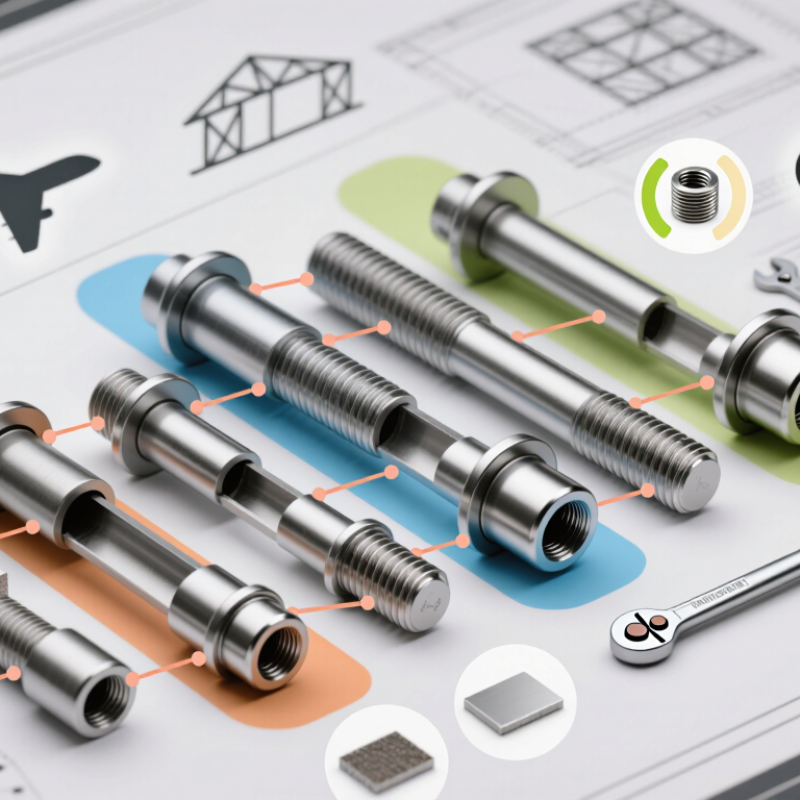
What Is a Threaded Rivet and How Does It Work?
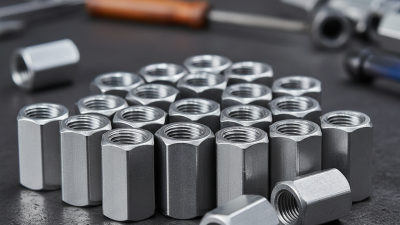
A threaded rivet is a fastener that creates a strong internal thread in thin or hollow material. Threaded Rivet Nuts are installed from one accessible side, which makes them useful for closed sections, panels, tubes, and sheet metal. Unlike a standard nut, they do not need a hand behind the workpiece.
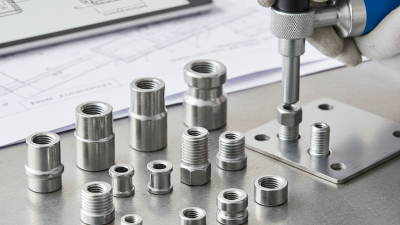
During installation, a tool pulls a mandrel through the rivet body. The rear section expands and forms a firm bulge behind the panel. This bulge clamps the material between two surfaces. After the tool releases, the internal thread remains ready for a bolt. The process is simple, but the grip range must match the panel thickness. A loose fit can spin. Excessive compression can distort the sheet.
In practical work, I check the thread size, material, head shape, and installation depth before drilling. Aluminum inserts suit lighter panels, while steel versions tolerate higher loads. Stainless steel can resist corrosion, but it may require more careful tool control. A clean hole matters. Burrs can prevent full seating. I once selected an insert that seemed suitable, yet its body was too short for the panel. The installation looked fine but failed under tightening. That mistake reminded me to test one sample first. Use a calibrated tool when possible, and tighten bolts according to the fastener and base-material limits. The insert is only as reliable as the panel supporting it.
Which Materials and Thread Types Match Your Application?
Choosing a threaded rivet starts with the joint environment, not the catalog description. Material should match the base sheet and surrounding conditions. Aluminum rivet nuts suit lightweight panels and moderate loads. Steel versions provide higher thread strength for brackets, frames, and repeated tightening. Stainless steel handles moisture and many corrosive settings, but it can gall during installation. Test it first.
Match the thread type to the fastener already specified. Metric threads use sizes such as M5 or M8, while inch-based work may require UNC or UNF. Coarse threads tolerate dirt and minor damage better. Fine threads offer better adjustment and clamping control, but they need cleaner engagement. Check the actual bolt, not memory. A nearly matching thread can feel correct and still fail under vibration.
Grip range is equally important. Measure the compressed sheet stack, including paint or coating thickness. A rivet nut that is too short may spin; one that is too long may deform poorly. For thin steel panels, knurled or hexagonal bodies can resist rotation more effectively. For soft aluminum, avoid excessive installation force. I once treated coating thickness as negligible, and the joint loosened sooner than expected. Verify hole diameter, installation setting, and torque with sample pieces before production. That small trial often exposes material mismatch, thread damage, or weak pull-up.
How to Determine the Correct Rivet Nut Size and Grip Range
How to Choose the Right Threaded Rivet?
How to Determine the Correct Rivet Nut Size and Grip Range
Selecting a threaded rivet nut starts with the application, not the fastener box. Confirm the required internal thread, such as M6, and measure the prepared hole accurately. The hole should match the manufacturer’s stated installation diameter. Too large, and the nut may spin. Too small, and installation can damage the surrounding panel. Material thickness matters just as much. A 1.5 mm sheet needs a different grip range from a 3 mm bracket.
Grip range means the total material thickness clamped by the rivet nut. Measure every layer, including paint, washers, and surface coatings. If two panels measure 2.4 mm together, choose a range that safely includes 2.4 mm. Avoid selecting the maximum limit without testing. The formed backside may become weak or uneven. Check the nut’s head style too. A countersunk head needs a properly prepared recess, while a flat head suits a simple drilled hole.
Use a sample panel before production. Install the nut with the correct mandrel and inspect the backside. It should form a firm bulge without cracking the sheet. Test the thread with the intended bolt. It should turn smoothly and remain aligned. Specifications from Global Leading Threaded Rivet Nuts Factories can provide useful starting data, but real material behavior may differ. This is where judgment matters. A small trial can reveal a poor grip choice before hundreds of parts are assembled. Mistakes happen. Recheck the measurement.
How to Choose the Best Installation Method and Tool
How to Choose the Right Threaded Rivet?
Choosing the installation method starts with the workpiece, not the tool. Check the sheet thickness, access space, hole diameter, and required thread size. A hand tool suits repair work and small batches. It gives useful control, but repeated installation can tire the operator. I have found this matters more than expected.
For regular production, pneumatic or hydraulic tools provide faster, more consistent setting force. They also reduce wrist strain. Electric tools can offer convenient adjustment and cleaner movement around large assemblies. Match the tool’s mandrel and nosepiece to the rivet thread. Confirm the rivet’s grip range before installation. If the sheet is too thin, the insert may spin. If it is too thick, the backside may not form correctly.
Set the tool according to the rivet supplier’s technical data, especially stroke or torque limits. Do not rely on appearance alone. The flange should sit firmly against the panel without crushing it. Test several pieces first, then inspect the threads, flange, and backside formation. A pull-out or spin test gives better evidence than a quick visual check. I once selected a stronger tool for a thin panel and caused distortion. More force was not better. Material hardness, coating thickness, and access angle can change the result. Leave room for adjustment when real production conditions differ from the sample bench.
How to Choose the Right Threaded Rivet: Installation Method and Tool
The chart compares common installation methods using a practical suitability score from 1 to 5.
Manual tools are appropriate for prototypes and occasional repairs, while pneumatic or hydraulic
tools are better for repetitive production. Battery-powered tools provide a balance between portability,
installation speed, and reduced operator effort.
The scores are engineering selection guidance based on general tool characteristics, including installation volume,
portability, consistency, and operator effort. Actual performance depends on rivet-nut material, thread size,
sheet thickness, access, and the specific tool configuration.
Which Rivet Nut Features Suit Your Load and Environment?
Choosing a threaded rivet nut starts with the actual load, not the catalog description. Tensile loads pull the insert outward, while shear loads push it sideways. Vibration adds another problem. A nut that feels secure during installation may loosen after thousands of cycles.
Match the rivet nut material to the environment. Aluminum suits lightweight assemblies, but steel handles higher loads. Stainless steel resists moisture and many corrosive conditions. Check the parent material too. Thin sheet metal may require a larger flange or wider grip range. Measure the sheet thickness carefully; a small mismatch can cause spinning or weak clamping. Global Leading Threaded Rivet Nuts Suppliers often provide grip charts, but those charts still need real application testing.
Installation quality matters as much as the hardware. Set the nut squarely, use the correct mandrel, and avoid excessive compression. I have seen damaged threads caused by rushed tool adjustments. It looked minor. It was not. Test samples under the expected load, temperature, and vibration before approving production. One overlooked detail is access: blind installation saves time, but limited tool clearance can distort the insert. The perfect specification may still fail in an imperfect assembly.
How to Check Fit, Strength, and Installation Quality
Choosing the right threaded rivet starts with fit, not appearance. Measure the panel thickness, drilled-hole diameter, and available installation space. The rivet nut’s grip range must match the actual material, including paint or surface coating. A loose fit can spin inside the panel. A tight fit may distort thin sheet metal.
Strength depends on more than thread size. Check the base material, expected load, and whether the force is pulling, twisting, or vibrating. A larger thread is not automatically stronger. Match the rivet nut material to the panel to reduce corrosion and uneven expansion. When comparing a China Wholesale Threaded Rivet Nuts Factory, request load data, dimensional tolerances, and sample parts before placing a large order. Reliable suppliers should explain testing methods clearly.
Installation quality is easy to overlook. Keep the tool square to the panel, set the correct stroke or torque, and avoid crushing the rivet nut. After installation, inspect the flange for gaps and check whether the internal thread remains clean. Thread a test bolt by hand first. It should turn smoothly. Then apply a controlled tightening load and watch for spinning, cracking, or panel deformation. I have seen good components fail because the hole was enlarged during drilling. That mistake is worth recording and correcting. Sample testing should include several parts, not just one perfect piece.
Countersunk Knurled Rivet Nuts: China Sourcing, M3–M10 Applications & Grand View Research Market Insights
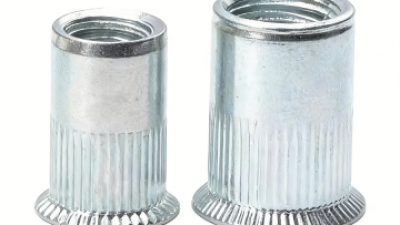
Countersunk knurled rivet nuts offer an efficient solution for creating strong internal threads in thin or hard-to-access materials. Manufactured in China from high-quality steel or stainless steel, these fasteners are available from M3 to M10 and can be supplied with zinc-plated or polished finishes. The countersunk head sits flush with the surface, while the knurled body helps resist rotation during assembly. This combination supports clean designs, dependable torque performance, and long service life.
China sourcing provides buyers with flexible production capacity, competitive pricing, and customization options for different thread sizes, materials, surface treatments, and packaging requirements. Strict quality control, dimensional inspection, and consistent forming processes are important when selecting a reliable supplier. M3–M5 sizes are well suited to compact electronic housings, furniture hardware, and light sheet-metal assemblies, while M6–M10 versions are commonly selected for automotive components, machinery panels, structural enclosures, and construction-related applications.
Market demand for threaded fastening products continues to be supported by lightweight manufacturing, modular assembly, vehicle production, and the expansion of metal fabrication. Countersunk knurled rivet nuts are particularly valuable where welding is impractical or where a smooth exterior surface is required. Their easy installation and reusable threaded connection can help improve assembly efficiency, maintenance access, and overall product quality across multiple industries.
FAQS
It creates an internal thread inside thin or hollow material. A bolt can then attach from one accessible side. No rear access is needed.
An installation tool pulls a mandrel through the insert. Its rear section expands behind the panel and forms a clamping bulge. The remaining thread accepts a bolt.
Aluminum works well for lightweight panels. Steel supports higher loads. Stainless steel suits damp or corrosive environments. The supporting sheet still limits performance.
Measure the panel thickness carefully. The insert must clamp within its specified range. A loose fit may spin. Excessive compression can distort the sheet.
Check thread size, insert material, head shape, body length, and installation depth. Remove burrs from the hole. A clean hole helps the insert seat fully.
They can, when correctly selected and installed. Vibration may loosen a fastener after many cycles. Test samples under realistic load, temperature, and vibration conditions.
Incorrect mandrels, poor alignment, and excessive compression can damage threads. Limited tool clearance may also distort the insert. Small errors matter.
Use a calibrated tool when possible. Set the insert squarely. Tighten bolts within the fastener and panel limits. Test one sample first. I once skipped that check, and the insert failed because its body was too short.
Conclusion
Choosing the right Threaded Rivet begins with understanding how it works. A threaded rivet, also called a rivet nut, creates a permanent internal thread in thin or hollow materials, allowing panels to be joined with removable screws. The correct choice depends on the base material, thread type, size, and grip range. Match the rivet nut’s material and finish to the application’s strength, corrosion, temperature, and vibration requirements. Select a thread standard and diameter that fit the fastener and expected load, then confirm that the grip range matches the total material thickness.
Installation method and tool selection are equally important. Manual, pneumatic, or electric tools may be suitable depending on production volume and access. Features such as knurled bodies, countersunk heads, sealed designs, or locking structures can improve stability and environmental resistance. Before final use, check alignment, thread condition, seating, deformation, and torque performance. A properly selected and installed rivet nut should remain secure without damaging the surrounding material.