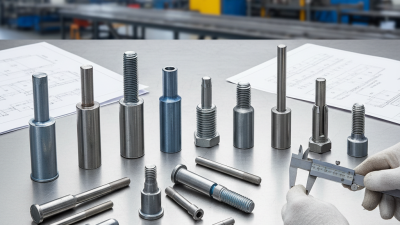
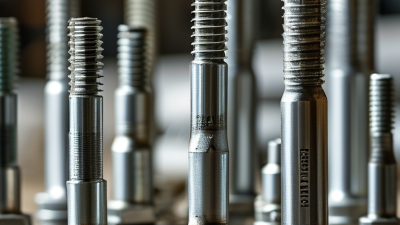
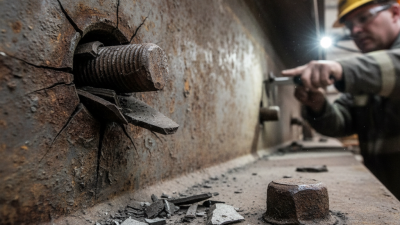
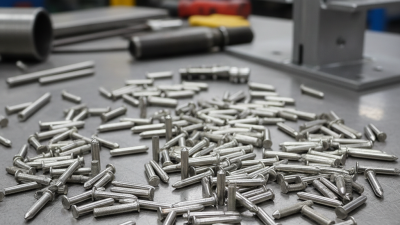
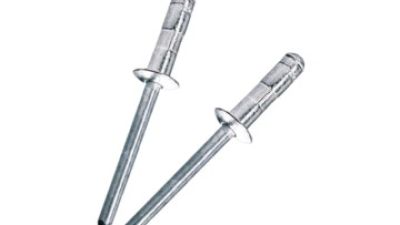
Picking the right Structural Rivets isn’t just about flipping through a catalog — it really starts with understanding the joint itself. Things like rivet diameter, the alloy used, grip range, hole quality, and the installation process all need to come together seamlessly. Even a tiny mismatch can lead to looseness, distortion, or worse, hidden fatigue damage that shows up down the line. Honestly, opting for the cheapest rivet can end up being a costly mistake — sometimes way more expensive than you’d think.
If you’ve looked into the FAA’s Aviation Maintenance Technician Handbook—Airframe or Advisory Circular AC 43.13-1B, you’ll see they stress the importance of proper hole prep, material compatibility, maintaining proper edge distances, and thorough inspections. These aren’t just aviation rules — their principles make sense in pretty much any industry. Industry reports from Grand View Research and MarketsandMarkets highlight that sectors like aerospace, automotive, construction, and heavy equipment have a huge demand for advanced fastening systems. The push is towards solutions that are stronger, lighter, and resistant to corrosion. But just because the market is booming doesn’t mean every rivet suits every project — you gotta choose wisely.
John H. Bickford, a real expert in fasteners, always reminds folks: “The joint — not just the fastener — has to carry the load.” That’s a key point that should guide all your choices. Sure, a stainless steel rivet resists corrosion nicely, but it might not play well with aluminum, which could cause problems. On the flip side, a high-strength rivet might boost your capacity, but it could require better tools and more careful inspections. The truth is, hands-on experience really matters here. And so does a little humility — drawings aren’t always perfect, and sometimes you might misunderstand supplier info. Even seasoned teams can fall into the trap of choosing based on habit rather than what’s actually best.
This guide walks you through how to compare different Structural Rivets based on engineering specs, service conditions, installation realities, and verification records. It’s not just about making something look secure — it’s about making sure that joint stays reliable after all the vibration, moisture, thermal cycles, and years of maintenance it’s gonna face.
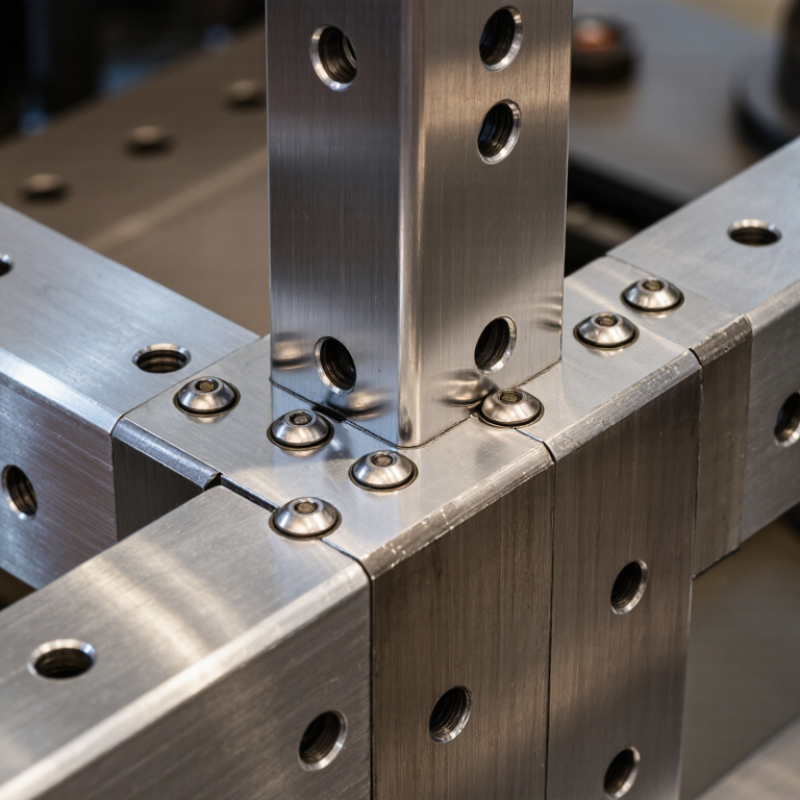
Define Joint Loads with ASTM A502 Rivet Grades: 60–100 ksi Tensile Strength
Choosing the right structural rivet begins with the joint load, not the rivet diameter.
ASTM A502 grades commonly provide minimum tensile strengths of 60, 80, and 100 ksi. These values help engineers compare material capacity, but they do not define the complete joint design.
Grade 1
may suit moderate structural loads when the connected plates have adequate thickness and bearing strength.
Grade 2
offers greater tensile capacity for more demanding connections.
Grade 3
reaches approximately 100 ksi and may fit specialized applications requiring higher strength or weathering performance.
Shear, fatigue, slip, hole diameter, and edge distance still require careful checking.
Strength alone can mislead.
During inspection, I compare the specified grade with mill certificates, markings, and installation records. I also examine the rivet head, plate contact, and any visible gaps. Small gaps matter.
Structural Pop Rivets
may be useful in certain blind-access assemblies, but they should not automatically replace ASTM A502 structural rivets. Their material, mandrel retention, and published shear values can differ significantly. Confirm the design assumptions with a qualified engineer, especially when vibration or repeated loading exists. Field conditions are rarely perfect, and a clean calculation can still fail if the holes are oversized or the installation is inconsistent.
Match Rivet Types to Access: Solid, Tubular, and Structural Blind Designs
Choosing the right rivet begins with access, not appearance. Solid rivets require access to both sides of the joint. They provide dependable strength when properly bucked and inspected. They suit heavy steel connections, brackets, frames, and vibration-prone assemblies. Steel Structural Rivets should match the material thickness, hole diameter, and required shear or tensile load.
Tubular rivets also need two-sided access, but they use less force during installation. Their partially hollow shank forms a controlled tail, making them useful for lighter assemblies and sheet-metal joints. They are not automatically suitable for primary structural loads. Check the manufacturer’s load data, grip range, and installation method before specifying them. A neat-looking set is not proof of adequate strength.
Structural blind rivets solve a different problem. They install from one side, which helps when panels, channels, or enclosed frames block rear access. Their body and mandrel create strong clamping action, but performance depends on correct grip length and prepared holes. In the field, I recheck edge distance and joint movement because blind access can hide problems. That step is easy to skip. It should not be. Corrosion compatibility also matters, especially where steel, aluminum, moisture, and road salt meet. Sometimes the first selection feels right, yet a trial installation exposes excessive deformation or poor fit. Reconsider the specification before production.
Calculate Shear and Tension Capacity Using EN 1993-1-8 Design Rules
How to Choose the Right Structural Rivets?
Rivet selection starts with the joint’s actual load path. EN 1993-1-8 requires separate checks for shear and tension resistance. For a rivet in shear, designers commonly assess Fv,Rd = αv fub A / γM2, where αv reflects the failure mode, fub is ultimate strength, and A is the relevant shear area. Tension resistance may be checked using Ft,Rd = 0.9 fub As / γM2, when the adopted rivet model and National Annex support this approach.
Do not use nominal diameter alone. Measure the effective shank area, grip length, hole diameter, and load eccentricity. A 16 mm rivet has a gross area of about 201 mm², but the net resisting area can be lower near the hole or threaded region. Check bearing, net-section failure, block tearing, and slip where relevant. Eurocode design normally uses γM2 = 1.25 for many connection resistance checks, but the applicable National Annex must govern. Small assumptions can change the result.
Site evidence matters. Inspect hole alignment, clamping marks, corrosion, and visible deformation. The ECCS publication on steel connection design stresses failure-mode interaction and detailing quality. The World Steel Association reported 1,892.2 million tonnes of crude steel production in 2023, showing the scale of steel construction, not proof of rivet capacity. Treat catalog values cautiously. They are not a substitute for certified material data, testing, or an engineer’s review. My own design reviews often find the overlooked eccentricity, not the rivet strength, controls the joint.
Verify Diameter, Grip Range, Hole Fit, and Edge Distance Requirements
How to Choose the Right Structural Rivets?
Choosing Structural Blind Rivets starts with the required diameter. A larger rivet is not automatically stronger. Match the diameter to the design load, sheet thickness, and approved engineering data. Then confirm the drilled hole size. A hole that is too tight can damage the rivet during installation. A loose hole may allow movement, vibration, or premature failure.
Grip range deserves careful attention. Add the thickness of every joined layer, including coatings, washers, or hidden brackets. The total must sit inside the rivet’s specified grip range. Do not estimate this by sight. Measure the stack with calipers, especially when a curved panel or uneven joint is involved. The rivet must also fill the hole correctly after setting. Small gaps can remain unnoticed.
Edge distance is easy to overlook in crowded assemblies. Keep the hole center far enough from the material edge to prevent tearing or distortion. Follow the project drawing and applicable structural standard, because minimum distances vary with material and loading. I once focused too heavily on diameter and missed a thin backing sheet. That mistake showed why every layer matters. Recheck hole alignment before installation, and inspect the formed head afterward. A secure joint should look consistent, feel stable, and match the specified dimensions. Cheerful assumptions are not inspection methods.
Control Material Compatibility, Including Galvanic Corrosion Risks
Choosing structural rivets starts with the joined materials, not the rivet catalogue. Steel, aluminum, stainless steel, and coated metals react differently in moisture. Galvanic corrosion can begin when dissimilar metals contact electrically through an electrolyte. Saltwater, condensation, and trapped dirt accelerate this reaction. Small details matter.
Interlock Structural Rivets can provide strong mechanical retention, but strength alone does not solve material compatibility. Check the rivet alloy, sheet material, coating, and washer arrangement together. A stainless rivet through bare aluminum may form a corrosion cell in wet service. Use compatible finishes or an insulating barrier where the design permits. Seal the joint carefully. Do not rely on sealant alone.
During inspection, examine rivet heads, seams, and drainage paths for white deposits or rust staining. These signs may appear before serious material loss. Record humidity, salt exposure, temperature, and cleaning chemicals. Then compare the selection with engineering data and applicable fastener requirements. My first choice is not always perfect; service conditions can expose hidden assumptions. I have seen sound-looking joints deteriorate because compatibility was treated as an afterthought.
Specify Installation and Inspection Procedures Under IFI-114 and ISO 14589
How to Choose the Right Structural Rivets?
Specify Installation and Inspection Procedures Under IFI-114 and ISO 14589
Selecting structural rivets requires more than checking diameter and grip range. The current IFI-114 requirements should guide rivet classification, installation equipment, and acceptance criteria. ISO 14589 provides mechanical test methods for blind rivets, including tensile, shear, and mandrel-retention performance. These standards are related, but they are not interchangeable. Confirm the latest editions before releasing production drawings.
Installation records should identify the rivet type, batch, tool setting, operator, and inspection result. A controlled hole is essential. Burrs, paint buildup, or excessive clearance can distort the sleeve. After setting, inspect the manufactured head for full formation, cracks, rotation, and contact with the joint surface. The FAA Advisory Circular AC 43.13-1B also treats loose, damaged, missing, or improperly formed rivets as airworthiness concerns in applicable aircraft maintenance work. That guidance is useful, but it does not replace the specified engineering standard.
Tips: Use calibrated gauges and record actual grip length. Check the first installed rivet from every tool setup. Test samples under ISO 14589 when qualification or process changes require it. Do not accept a neat appearance alone. I have seen clean-looking heads conceal poor clamping. That mistake deserves review. A failed sample is information, not merely waste.
How to Choose the Right Structural Rivets?
Installation and Inspection Procedures Under IFI-114 and ISO 14589
The chart presents the recommended sequence for selecting, installing, and verifying structural rivets. The sequence index indicates process order rather than a performance rating. Confirm rivet diameter, material, grip range, hole preparation, and acceptance criteria against the applicable IFI-114 requirements, ISO 14589 test method, engineering drawings, and the approved product specification.
High-Quality Multigrip Blind Rivets: Durable Aluminum-Steel Fasteners from China Suppliers
High-quality multigrip blind rivets are designed to provide dependable fastening performance across a wide range of material thicknesses. Featuring an aluminum body and steel mandrel, these double-drum rivets offer greater grip flexibility than standard blind rivets, helping manufacturers handle different joint requirements with fewer fastener variations. Their adaptable structure supports secure installation in applications where access is limited to one side of the assembly.
The expanded grip range can reduce inventory demands and simplify production management, while the efficient blind-riveting process helps streamline assembly operations. Once installed, the rivets form a strong, vibration-resistant connection suitable for equipment, sheet metal fabrication, automotive components, and general industrial manufacturing. The aluminum-steel combination also provides a practical balance of lightweight performance, strength, and reliable deformation during installation.
As an experienced China supplier, our factory provides multigrip blind rivets in various sizes and specifications to match individual project needs. Consistent manufacturing, dependable quality control, and flexible production support help customers achieve efficient fastening solutions for both standard and customized applications.
FAQS
Solid rivets need access to both sides. Tubular rivets also need two-sided access but require less installation force. Structural blind rivets install from one side when rear access is blocked.
Solid rivets suit heavy steel connections, brackets, frames, and vibration-prone assemblies. They provide dependable strength when properly bucked and inspected. Correct sizing still matters.
Not automatically. Tubular rivets work well in lighter assemblies and sheet-metal joints. Check approved load data, grip range, and installation requirements before using them.
Match diameter with the design load, material thickness, hole size, and engineering data. A larger rivet is not always stronger. Oversizing can damage thin materials.
Grip range must include every joined layer. Measure sheets, coatings, washers, and hidden brackets together. Use calipers when panels are curved or uneven.
A tight hole may damage the rivet during installation. A loose hole can permit movement, vibration, or early failure. Recheck alignment before setting the rivet.
Follow the project drawing and applicable structural requirements. Sufficient edge distance helps prevent tearing and distortion. Crowded assemblies make this easy to miss.
Dissimilar metals can corrode when moisture creates an electrical path. Saltwater, condensation, and trapped dirt accelerate the reaction. Inspect for white deposits, rust stains, and blocked drainage.
Check grip, head formation, hole fill, edge distance, and joint movement. Excessive deformation or poor fit signals a specification problem. Reconsider the choice before production.
Conclusion
Choosing the right Structural Rivets begins with understanding the loads a joint must withstand. Evaluate tensile and shear forces, then select an appropriate ASTM A502 grade based on its required strength range, such as 60–100 ksi tensile strength. The rivet design should also match site access and assembly conditions: solid rivets suit accessible two-sided installation, while tubular and structural blind rivets can support applications where access is limited. Diameter, grip range, hole fit, and edge distance must be checked carefully to prevent premature failure and ensure reliable load transfer.
Capacity calculations should follow the applicable EN 1993-1-8 design principles, considering both shear and tension interaction. Material compatibility is equally important, especially where dissimilar metals may create galvanic corrosion. Finally, define installation methods, tightening or setting requirements, and inspection steps in accordance with IFI-114 and ISO 14589. A complete specification should address selection, installation, verification, and long-term durability as one integrated process.