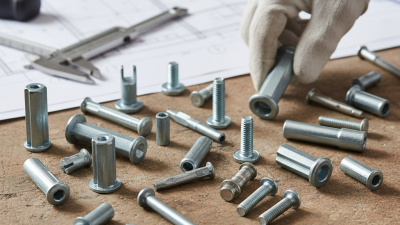
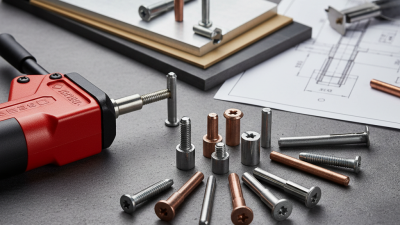
Picking the right Structural Blind Rivets isn't just about flipping through a catalog — it really starts with understanding the joint you're working with. Honestly, a lot of folks jump straight to the specs without considering the actual conditions on the job.
Did you know that, according to Grand View Research, the global fasteners market was worth around USD 90.94 billion in 2023? And it’s only expected to grow through 2030, fueled by construction, transportation, and heavy industry. That means more options, sure, but it also means more chances to pick the wrong rivet. Something that looks like it’ll do the job might actually fail — especially if it’s exposed to vibrations, rust, or if the sheet metal shifts a bit.
So, here’s a tip — start by assessing the actual joint conditions. Measure the total thickness of all the materials involved, including coatings and washers. Then, match that to the rivet’s grip range. If the grip's too loose, the mandrel might not stay put, and if it's too big, it could crush the sheets. Make sure to check all the important stuff like shear and tensile strength, head style, and how well the mandrel stays in place — don’t just pick based on diameter alone.
Material compatibility is also a big deal. Aluminum rivets are lightweight, which is nice, but steel or stainless steel might give you extra strength and resistance to higher temperatures. Just keep in mind that using different metals together can lead to galvanic corrosion, especially if it’s a wet environment. Protective coatings can help, but they’re not a magic fix — you really need to test the application first.
When it comes to testing, standards like ISO 14589 are recognized internationally for evaluating rivet performance. The International Fastener Institute offers good guidelines on dimensions and performance for different fasteners too. These resources can definitely help you make smarter engineering choices, but remember—they don’t replace actual testing on your joint.
And don’t forget to give the finished assembly a good look-over. Check if the head sits properly, the sheets aren’t separating, the mandrel is in the right spot, and there’s no unexpected deformation. Sometimes those tiny details can make all the difference. Honestly, no single type of Structural Blind Rivet works perfectly for every scenario. It’s worth comparing supplier test reports, tolerances, and field conditions before giving the green light. Sure, taking your time now might seem slower, but rework later definitely isn’t!
What Are Structural Blind Rivets and How Do They Work?
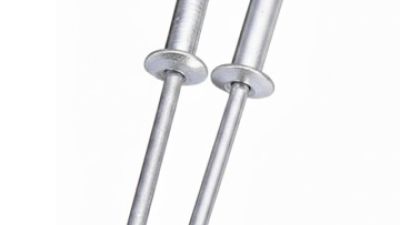
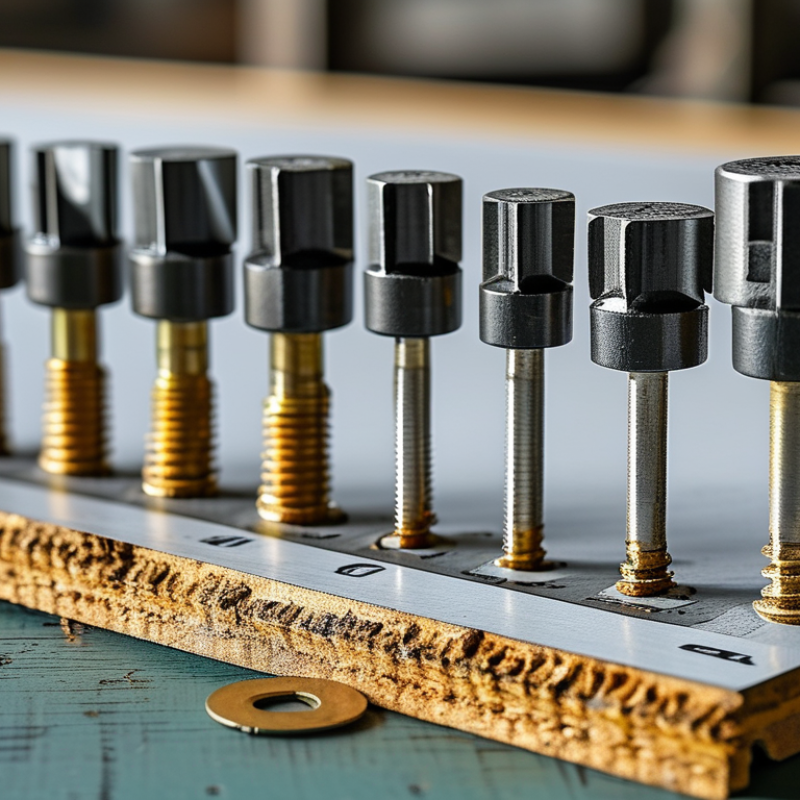
Structural blind rivets join materials from one accessible side. They are useful when the rear surface cannot be reached. Each rivet contains a tubular body and a pulling mandrel. Installation begins by drilling aligned holes through the materials. The rivet body enters the hole, while the mandrel remains visible from the front.
A setting tool pulls the mandrel through the rivet body. This action expands the rivet’s blind end behind the joint. The expanded section creates a mechanical lock. The mandrel then breaks at a designed point. The result is a permanent fastening connection. It is a simple process, but hole quality matters.
When choosing a structural blind rivet, check grip range, diameter, shear strength, and tensile strength. Match the rivet material with the joined materials to reduce corrosion risks. In field assembly, I have seen oversized holes cause loose joints and uneven clamp pressure. That mistake is easy to miss. Review the joint load, vibration, temperature, and access limitations before installation. A dependable Structural Blind Rivets Manufacturer should provide test data, dimensional details, and installation guidance. Still, published figures cannot replace a real joint trial. Check the first installed rivets for head seating, backside expansion, and mandrel condition. Small inconsistencies may reveal a larger process problem.
How to Choose the Right Structural Blind Rivets?
What Are Structural Blind Rivets and How Do They Work?
Structural blind rivets use a rivet body and internal mandrel to create a high-strength mechanical joint from one accessible side.
As rivet diameter increases, typical shear and tensile capacity also increase. Select the rivet size, material, grip range, and head style
according to the joint load, clamped-material thickness, corrosion environment, and hole diameter. The values shown are representative
minimum capacities for high-strength structural blind rivets and must be verified against the manufacturer’s technical datasheet for final design.
Which Joint Requirements Should Guide Your Rivet Selection?
Choosing structural blind rivets starts with the joint, not the rivet head. Define the loads first: shear, tension, vibration, fatigue, and possible prying. NASA’s Fastener Design Manual, NASA-RP-1228, stresses that joint strength depends on load distribution, clamp-up, hole quality, and installation control. A rivet may meet its catalog strength yet fail in service when the sheets separate or the hole enlarges.
Geometry matters. The FAA’s AC 43.13-1B commonly uses an edge distance of at least two rivet diameters and a pitch of at least three diameters for many riveted repairs. Treat these values as design guidance, not automatic approval. Check the actual material thickness, grip range, hole diameter, and bearing strength. Thin aluminum can distort around the head. Harder steel can demand higher installation force. Fatigue joints need extra caution.
Tips: Match the rivet’s shear and tensile data to the joint’s calculated loads. Verify test conditions, including sheet thickness and grip. Inspect the installed stem and head. A loose mandrel is not a cosmetic issue. Consider corrosion compatibility and thermal expansion, especially outdoors. I have seen selections fail because “structural” was treated as a universal rating. It is not. Test representative assemblies when vibration, repeated loading, or uneven surfaces are involved. Standards describe methods; the joint still decides the result.
How Do Rivet Materials Match Base Metals and Environments?
Choosing the right structural blind rivet starts with the base metal, not the rivet gun. Aluminum rivets suit lightweight aluminum panels and reduce galvanic corrosion risks. Steel rivets provide higher strength for steel frames and thicker assemblies. Stainless steel rivets handle demanding joints, especially where moisture, salt, or cleaning chemicals are present. They are not always the best choice.
A simple metal-to-metal rule sounds useful, but it can mislead. Dissimilar metals may create galvanic corrosion when water forms an electrical path between them. This risk increases near coastlines, cooling systems, and outdoor structures. Use compatible coatings, insulating washers, or sealed joint designs when separation is necessary. Check the rivet body and mandrel materials separately. The mandrel also affects corrosion resistance and load performance.
Temperature and chemical exposure deserve close attention. A rivet used beside hot equipment may lose strength outside its rated range. A joint exposed to acidic cleaners needs different protection from one installed indoors. In practical inspections, I would compare shear and tensile requirements with the actual panel thickness, hole size, and grip range. Sample testing is wise, though it is often skipped under schedule pressure. That shortcut can become expensive. Review technical data, inspect the joint environment, and test representative materials before approving a structural blind rivet.
How Can You Choose the Correct Rivet Diameter and Grip Range?
Choosing the correct diameter and grip range is central to structural blind rivet performance. Measure every layer being joined, including washers or coated surfaces. A 2.0 mm panel and a 1.5 mm bracket create a 3.5 mm joint thickness. Select a rivet whose grip range clearly includes 3.5 mm. Do not choose the maximum limit by habit. Thermal expansion, paint, and uneven surfaces can reduce the available clamping margin.
Diameter should reflect load, hole quality, and the thickest material. FAA AC 43.13-1B gives a practical benchmark for conventional rivets: diameter is often near three times the thickest sheet. This is only a starting point for blind rivets. Structural designs require tested shear and tensile data. ASTM F606/F606M separates these mechanical tests, while ISO 14589 defines tensile and shear testing for blind rivets. Check the supplier’s published values, not only the catalogue diameter.
Hole size matters too. A nominal 4.8 mm rivet may require a hole close to 4.9 or 5.0 mm, depending on the system. Oversized holes can lower bearing strength and create visible movement. Undersized holes may damage the sleeve during installation. Structural Blind Rivets Manufacturers should provide grip charts, hole recommendations, and test results for the exact rivet configuration. I have seen teams select diameter first and grip second. That shortcut fails when coatings or hidden layers change the joint thickness. Measure twice. Then verify the load path.
Which Head Styles and Mandrel Designs Suit Your Application?
Choosing the correct head style starts with the joint, not appearance.
A dome head suits exposed panels and spreads load around the hole. A countersunk head keeps the surface flush, but it needs accurate countersinking and sufficient sheet thickness. Large-flange heads distribute clamping pressure across thin or soft materials. They can prevent pull-through during vibration.
Mandrel design controls performance after installation.
A locked mandrel improves shear resistance and reduces the risk of loose fragments entering equipment. Multi-grip bodies handle variable stack thicknesses, especially where access or tolerances are inconsistent. Closed-end designs help limit moisture and gas movement, although seal performance depends on installation quality. NASA-RP-1228, the NASA Fastener Design Manual, stresses correct preload, hole quality, and load-path analysis rather than relying on nominal strength alone. That warning is easy to ignore.
MarketsandMarkets’ 2024 Aerospace Fasteners report projects the aerospace fasteners market to grow from about USD 8.4 billion in 2023 to USD 11.7 billion by 2028. This growth reflects stricter weight, vibration, and maintenance demands. For structural blind rivets, compare published shear and tensile values with your actual joint loads. Then verify grip range, hole diameter, and material compatibility. A Global Leading Structural Blind Rivets Factory should provide batch traceability, test results, and installation guidance. Still, catalogue figures may not match field conditions. A short trial panel can reveal distortion, poor pull-up, or an unsuitable mandrel lock before production begins.
How Should Rivet Performance, Installation, and Quality Be Verified?
How to Choose the Right structural blind rivets?
A structural blind rivet should match the joint material, hole size, and required grip range. Selection begins with engineering drawings, load data, and the fastener’s technical specification. Do not rely on appearance alone. A rivet may look strong but fail when clamping pressure is inadequate. Check shear and tensile ratings under realistic conditions, including vibration, temperature, and corrosion exposure. Test samples using the actual sheet thicknesses and installation tool.
Installation quality needs careful verification. Confirm the hole diameter and remove burrs before inserting the rivet. The rivet body should sit squarely, while the mandrel must pull smoothly. After installation, inspect the formed head for complete expansion, even contact, and unwanted gaps. A loose rivet, spinning sleeve, or cracked surface signals a problem. Measure selected joints and record the results. Visual inspection is useful, but it cannot replace load testing.
Tips: Keep installation tools calibrated and inspect their nosepieces regularly. Verify grip range before production begins. Retain batch records, material certificates, and inspection photos for traceability. A simple sample test can reveal poor setup early. Still, check the test method itself. I have seen good fasteners receive misleading results because the fixture was misaligned. Quality verification is not perfect, but consistent records make weak decisions easier to find and correct.
Lightweight Aluminium Dome Head Blind Rivets: China Suppliers & Durability | Grand View Research Fasteners Report
Lightweight aluminium dome head blind rivets from China suppliers provide an efficient fastening solution for projects that require strength without unnecessary weight. Made from carefully selected aluminium alloy, these rivets offer a favorable balance of durability, flexibility, and ease of installation. Their dome-shaped heads create a neat, low-profile appearance, making them suitable for visible fastening work in architectural panels, light structures, signage, enclosures, and general industrial assemblies.
Designed for dependable performance, the rivets provide good fatigue resistance under repeated vibration and everyday mechanical stress. Their high-gloss surface helps maintain a clean appearance, while the moisture-resistant finish supports reliable use in humid or exposed environments. Blind installation allows operators to secure materials from one side, improving productivity where access to the rear of a joint is limited. China-based manufacturers can supply multiple diameters, lengths, and grip ranges to accommodate different material combinations and application requirements. Consistent forming, smooth mandrel operation, and careful dimensional control further support secure joints and efficient large-volume production.
FAQS
Aluminum rivets suit lightweight aluminum panels and may reduce galvanic corrosion risks. Steel rivets fit steel frames and thicker assemblies. Stainless steel rivets handle moisture, salt, and cleaning chemicals well. Still, stainless steel is not always the best choice.
Dissimilar metals can corrode when water creates an electrical path between them. The risk increases near coastlines, cooling systems, and outdoor structures. Use compatible coatings, insulating washers, or sealed joints. Small water paths matter.
Not necessarily. Check both materials separately. The mandrel affects corrosion resistance and load performance. A corrosion-resistant body may not protect a weaker mandrel. That detail is easy to miss.
Heat near equipment can reduce rivet strength beyond its rated range. Acidic cleaners require stronger protective measures than indoor conditions. Review temperature limits and chemical exposure before approval. The workshop may look harmless.
Measure every joined layer, including coatings and washers. For example, a 2.0-millimeter panel and 1.5-millimeter bracket create 3.5 millimeters. Choose a rivet range that clearly includes 3.5 millimeters. Do not rely on the maximum limit.
Paint, thermal expansion, and uneven surfaces can reduce clamping margin. A listed grip range may not reflect the final joint condition. Measure the actual assembly, not only bare materials. This is where shortcuts become expensive.
Consider the applied load, hole quality, and thickest material. A common starting point uses a diameter near three times the thickest sheet. Blind rivet designs still require tested shear and tensile data. Diameter alone is not enough.
Follow the exact system recommendation. A nominal 4.8-millimeter rivet may need a 4.9- or 5.0-millimeter hole. An oversized hole can reduce bearing strength and allow movement. An undersized hole may damage the sleeve.
Compare shear and tensile requirements with panel thickness and load direction. Review published data for the exact rivet configuration. Test representative materials when possible. Testing is often skipped under schedule pressure. That decision deserves another look.
Conclusion
Choosing the right Structural Blind Rivets requires matching the fastener to the joint, materials, and working conditions. These rivets create strong, reliable connections from one accessible side by expanding the rivet body as the mandrel is pulled. Selection should begin with the joint’s load requirements, including tensile strength, shear resistance, vibration, sealing needs, and the possibility of thermal or chemical exposure. Rivet material should be compatible with the base metals to reduce corrosion risks and maintain long-term performance.
Correct diameter and grip range are also essential. The rivet must fit the prepared hole accurately and clamp the total material thickness without overloading the joint. Head style should suit the surface and load distribution, while mandrel design should support the required strength and installation method. Before approval, verify performance through sample installation, dimensional checks, pull and shear testing, and inspection of the formed head. Proper tools, consistent installation procedures, and quality controls help ensure a secure, durable, and repeatable connection.