Leave Your Message
0%

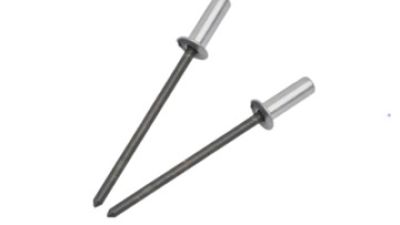
Picking an OEM for Aluminium Tri-Fold Blind Rivets is more than just crunching numbers. You need a partner who actually gets how these rivets behave once they're in the final product. If the grip range is off, you'll end up with a loose joint – nobody wants that. The right rivet should go in smoothly, hold tight every time, and match whatever materials you're joining. Trust me, the little stuff matters more than you think.

Okay, let's kick things off with a quick example. We're using a made-up specialist named Daniel Mercer—these are just illustrative words, not an actual quote from anyone real. He says: 'A rivet is only dependable when its material, grip range, and installation process match the job.' That's a nice thought to get us going, but it's not meant to replace real testing. So when you're checking things out, you'll want to look at material grades, dimensional tolerances, corrosion requirements, mandrel retention, and how consistent your production is. Hey, don’t just take their word for it. Definitely ask for samples, inspection records, and get straight answers about tooling and order capacity. Sure, a shiny, smooth sample looks great and gives you some hope, but honestly, it’s not a guarantee that the whole batch will be that solid.

So, you're thinking about working with an OEM? These seven tips will help you really vet the details before you commit. They touch on technical fit, how they handle quality, how they communicate, their lead times, and how you can evaluate the supplier overall. And remember—be wary of any broad claims that don't come with measurable proof. Because even a spec sheet that looks shiny and polished can leave some pretty important questions hanging in the air. So, if you're also looking up stuff like “hemlock blind rivets OEM,” it's worth double-checking with the supplier about the exact product type. Honestly, similar search terms can sometimes point to totally different fastening needs, and you don't want to guess wrong. Yeah, verifying things practically takes a bit of effort, but it can save you from some real headaches (and expenses) down the road.

7 Tips for Choosing an Aluminium Tri Fold Blind Rivets OEM

Define the Application and Performance Requirements

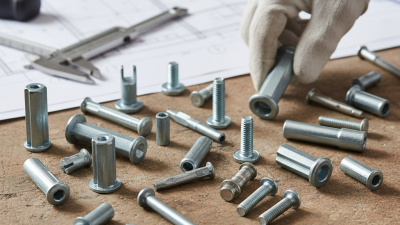
Define the application before comparing aluminium tri-fold blind rivets. Note the materials being joined, their thicknesses, and whether the joint faces vibration, moisture, or repeated loading. A tri-fold rivet opens into three legs, spreading pressure across a wider area. That can help when fastening thin, soft, or brittle panels. Measure the stack. Do not guess. Even a small thickness change can affect grip range and how fully the legs form.

Record the hole diameter, access limits, and expected loads, including pull-out and shear. For a plastic panel, check that the expanded legs do not crack or distort it. For outdoor use, consider galvanic corrosion where the aluminium body contacts other metals. A stainless steel pop rivets OEM supplier may offer useful comparison data, but stainless designs are not automatic substitutes for aluminium tri-fold rivets. Request samples made to the proposed dimensions, then test them on the actual material stack. Check installation effort and inspect both sides of each joint. I have seen neat-looking fasteners fail when the hole was oversized; appearance alone proves very little. Keep the test conditions documented, because an informal hand test is easy to repeat inconsistently.

Verify Aluminium Alloy and Rivet Design Options

7 Tips for Choosing an Aluminium Tri Fold Blind Rivets OEM

Verify the alloy and design details before comparing quotations. “Aluminium” alone is not a complete material specification. Ask for the rivet body alloy and temper, plus the mandrel material and any coating. These details affect strength, corrosion behavior, and compatibility with the materials being joined. Request technical data for tensile and shear performance, then check whether it matches your application rather than relying on a general claim.

Tri-fold rivets spread into three legs behind the workpiece, helping distribute load across softer or brittle materials. Confirm the grip range against the full thickness of your actual stack. Also check rivet diameter, recommended hole size, head style, and the shape of the formed legs. A mismatch can leave the joint loose or damage the panel. Small details matter. Ask the OEM for samples and inspect them in the same materials and tools used on your production line.

A datasheet is useful, but it cannot show every fit problem. A sample may look right and still form unevenly in a real assembly. Check batch records and request consistent inspection data for alloy, dimensions, and setting performance. If the mandrel and body use different metals, ask how the design addresses corrosion in your operating environment. It is easy to overlook this point when comparing price sheets. Test a few assemblies under realistic conditions before approving the specification.

Assess the OEM’s Manufacturing Capabilities

Assess the OEM’s Manufacturing Capabilities

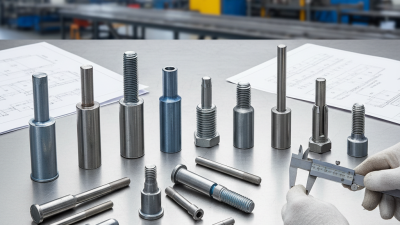
When evaluating an OEM, look beyond its equipment list. Ask how it controls cold forming, flange dimensions, grip range, and mandrel retention across production runs. For Aluminium Large Flange Tri-Fold Blind Rivets, request sample inspection records showing head diameter, body length, and setting performance. Check whether the factory uses calibrated gauges and documents calibration dates. Small details matter.

Ask to see how operators separate and trace batches. A clear lot record should connect raw material, forming settings, inspection results, and shipment.

The ISO Survey 2022 recorded 1,265,216 ISO 9001 certificates worldwide. That figure reflects broad adoption of quality systems, not rivet performance. Not proof of fit.

Confirm that the OEM’s controls match your specifications, then test production samples in your actual joint materials and thicknesses. A polished factory tour can be reassuring, but it may not reveal variation between shifts. I would request records from more than one batch; this can add time, yet it exposes process weaknesses early.

Ask how the supplier handles out-of-tolerance parts, too. The answer should include a documented containment and corrective-action process, not simply a promise to “check more carefully.”

Review Quality Control and Certification Practices

When assessing an OEM, look beyond polished brochures. Ask how incoming aluminium is checked and how production lots are tracked. For Tri-fold blind rivets aluminium, request material records and dimensional inspection results. Check head diameter, body length, and whether the legs fold evenly during installation. Small details matter.

A practical trial is useful. Install samples in the same sheet thickness and tool setup used in your application. Inspect head seating, clamping, and the formed legs; record any loose joints or sharp edges. Ask for test methods and acceptance limits, not only a pass statement. Ask for evidence. A single sample cannot represent every batch, and process changes deserve follow-up.

Review certification scope and validity with care. A quality-management certificate can indicate an established system, but it does not prove every rivet meets your specification. Check whether measuring tools are calibrated and whether inspection records link to batch numbers. If reports come from an outside laboratory, confirm which product and test conditions they cover. I would not treat a neat certificate as a guarantee. It is easy to overvalue paperwork and under-check actual fit. Request a recent production sample and compare it with the agreed drawing before approving repeat orders.

Check Testing Methods and Product Traceability

Tip 1: Ask the OEM to explain how each test reflects the rivet’s intended use. For aluminium tri fold blind rivets, request checks for dimensions, setting performance, and joint strength. Ask for the test method, sample quantity, and acceptance criteria—not just a pass statement. Small details matter.

Tip 2: Review recent test records from routine production, not only qualification samples. Tensile and shear tests can show whether a set rivet holds under specified loads. Installation trials in representative panels can reveal folding or grip issues. A flat test coupon may not match your assembly, so verify fit with your own materials. I would not treat one successful sample as proof of consistent production.

Tip 3: Check that product traceability connects each shipment to its production lot. The OEM should be able to identify material batches, inspection dates, and corresponding test records using a clear lot code. Ask how records are retained and how a suspected defect is investigated. Keep the code visible on packaging or delivery documents. If traceability stops at the factory gate, follow-up becomes difficult.

Compare Customization, Tooling, and Sampling Support

Customization should solve a real installation problem, not merely make a rivet look different. Ask whether the OEM can specify body diameter, grip range, head style, and finish. For a tri-fold blind rivet, the legs must open consistently behind the workpiece. Request a drawing with dimensions and tolerances, then compare it with your panel thickness and hole size. Small mismatches matter.

Tooling affects both lead time and repeatability. Ask whether existing dies can support your dimensions, or whether new tooling is required. Clarify setup costs, ownership, maintenance, and what happens if the design changes. A low quoted unit price may not include these costs. Check how the supplier monitors forming dimensions during production. Details count.

Sampling support should include more than a few loose rivets. Request samples from the intended material and finish, plus a clear record of dimensions and test conditions. Fit them using your actual joining tool and materials; inspect leg formation, pull-out behavior, and surface damage. Keep a sample as a reference. I would not treat one successful installation as proof of consistency. Ask how many samples are available and whether pilot-run parts can be checked before a larger order. If feedback leads to a drawing revision, make sure the updated version is clearly identified.

Evaluate Pricing, Lead Times, and After-Sales Service

7 Tips for Choosing an Aluminium Tri Fold Blind Rivets OEM

Evaluate Pricing, Lead Times, and After-Sales Service

Tip: Compare complete quotes, not just unit prices. Ask whether tooling, sample production, packaging, and freight are included. For aluminium tri-fold rivets, confirm the quoted alloy, dimensions, and finish match your drawing. A low price means little if the rivets fail fit checks. Small detail, big impact.

Tip: Request a realistic production schedule. Ask for sample and bulk-order timelines separately, and check what could cause delays, such as material availability or custom tooling. If your assembly line runs weekly, a vague “fast delivery” promise is not enough. Get dates in writing, including dispatch and estimated arrival.

Tip: Test after-sales support before placing a large order. Send a technical question about grip range or installation performance and note how clearly the supplier responds. Ask how defects are documented, what replacement process applies, and who handles urgent issues. A useful OEM should provide inspection records and traceable batch details. I’ve seen teams focus so heavily on price that they overlook this step. It is easy to do, and not always wise. Review one sample batch before scaling up. Then compare service promises against actual response times.

A Practical Guide to China-Sourced Aluminum Steel Close-End Blind Rivets for Waterproof Fastening Solutions

For waterproof fastening, China-sourced aluminum-steel close-end blind rivets offer a practical option where access is available from only one side. Their sealed end helps limit water and dust from passing through the rivet itself, while the aluminum body and steel mandrel provide a durable mechanical fastening alternative to screws or welding. The joint’s overall water resistance still depends on factors such as the panel materials, hole size, grip range, installation quality, and any gasket or sealant used.

Material selection matters in environments exposed to moisture. NACE International’s 2013 IMPACT study estimated that corrosion costs the global economy US$2.5 trillion annually, or about 3.4% of global GDP. This figure underscores the value of specifying fasteners and joint designs suited to their service conditions. Because aluminum and steel differ electrochemically, designers should also consider the surrounding materials and exposure when assessing corrosion risk.

When sourcing from China, check that the supplier can document dimensions, grip ranges, material specifications, and inspection procedures, and request samples for fit and sealing tests before placing a larger order. A reliable factory should provide consistent production quality and clear technical information, helping buyers select rivets for applications such as enclosures, vehicle panels, and outdoor equipment.

FAQS

What should I check before choosing an aluminium tri-fold blind rivet?

Identify the joined materials, their thicknesses, hole diameter, and expected loads. Consider vibration, moisture, and repeated loading. Measure the stack; don’t guess.

Why use a tri-fold rivet on thin panels?

Its three legs spread pressure across a wider area, which can help with thin, soft, or brittle panels. Check that the legs do not crack or distort plastic.

How can I confirm the rivet fits my assembly?

Request samples matching the proposed dimensions and finish. Install them with your actual tool and materials, then inspect both sides. One good fit proves little.

What customization details should I confirm?

Ask about body diameter, grip range, head style, and finish. Compare a dimensioned drawing with your panel thickness and hole size. Small mismatches matter.

What should I ask about tooling?

Confirm whether existing dies can make the design or new tooling is needed. Clarify setup costs, ownership, maintenance, and change fees. Details count.

How should I compare supplier quotes?

Check whether tooling, samples, packaging, and freight are included. Confirm the quoted alloy, dimensions, and finish match your drawing. A low unit price can mislead.

What lead-time information should I request?

Ask for separate sample and production schedules, with dispatch and estimated arrival dates. Check possible delays, such as material availability or custom tooling. Get dates in writing.

How can I assess after-sales support?

Ask how defects are recorded, how replacements work, and who handles urgent issues. Request inspection records and traceable batch details. I may be overcautious, but test the response before scaling up.

Conclusion

Choosing the right Aluminium Tri-Fold Blind Rivets OEM starts with clearly defining the application, materials being joined, load expectations, environment, and installation conditions. These requirements help determine suitable aluminium alloys, rivet dimensions, head styles, and other design features. Next, assess the manufacturer’s production capabilities, quality-control procedures, certifications, testing methods, and ability to maintain product traceability. Consistent processes and documented inspections can help ensure that supplied rivets meet agreed specifications.

Also consider how well the OEM supports custom designs, tooling, and sample evaluation before placing a larger order. Compare pricing alongside production lead times, communication, and after-sales service rather than focusing on unit cost alone. A supplier that offers clear technical guidance, realistic delivery schedules, and responsive support can make sourcing more predictable. By reviewing these factors together, buyers can select a manufacturing partner suited to their project’s performance needs and ongoing supply requirements.


Lila

Lila

Lila is a dedicated marketing professional with extensive experience in the fastener industry, specializing in blind rivets, rivet nuts, and non-standard fasteners. With a profound understanding of the technical aspects and applications of products such as open-end blind rivets, grip blind rivets,......
Previous Top 10 Tri Fold Rivets Vs Pop Rivets Which Is Better?