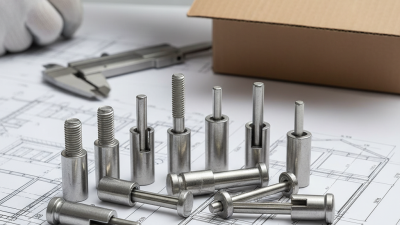
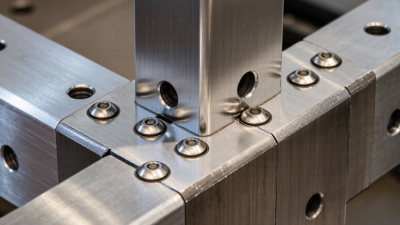
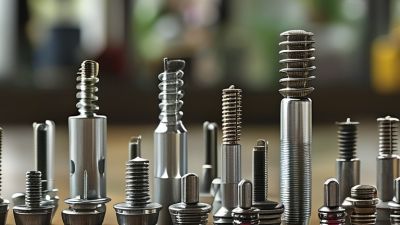
When it comes to Structural Rivets, these tiny but mighty parts have a pretty tough job—holding together structural members while managing vibrations, loads, and lots of repeated use. And let’s be real: picking a supplier in China isn’t just about comparing prices per unit. You gotta dig deeper—check what materials they offer, whether their dimensions are consistent, what their installation process looks like, and how they handle quality control with traceability. A rivet that looks perfect in a sample can still fall flat once installed if its grip range or fit isn’t right. The devil’s in the details, you know?
William C. Bickford, a guy known for his expertise in bolted joint design, offers some pretty solid advice on connection engineering. His main point, simplified, is: “A dependable connection depends on the whole joint, not just one fastener.” That’s a useful way to think about evaluating Structural Rivets, too. When talking to manufacturers, ask how they control forming, inspect finished parts for proper dimensions, and keep detailed records of material specs. Always request samples that match your actual project needs, and test fit and install them with your engineering team before committing. Having a shiny catalog doesn’t automatically mean they can deliver quality consistently.
In this guide, we’ll walk through how to compare manufacturers and suppliers of Structural Rivets based in China. We’ll cover everything from their product offerings and process controls to how well they communicate and handle sample testing. Keep in mind, there are trade-offs—getting a lower price might mean longer lead times, and custom jobs often require more review. No single supplier is perfect for every project. Clear drawings, realistic specs, and asking direct technical questions will help you pick the right partner. And hey, sometimes you’ll need to double-check a little detail before moving forward.
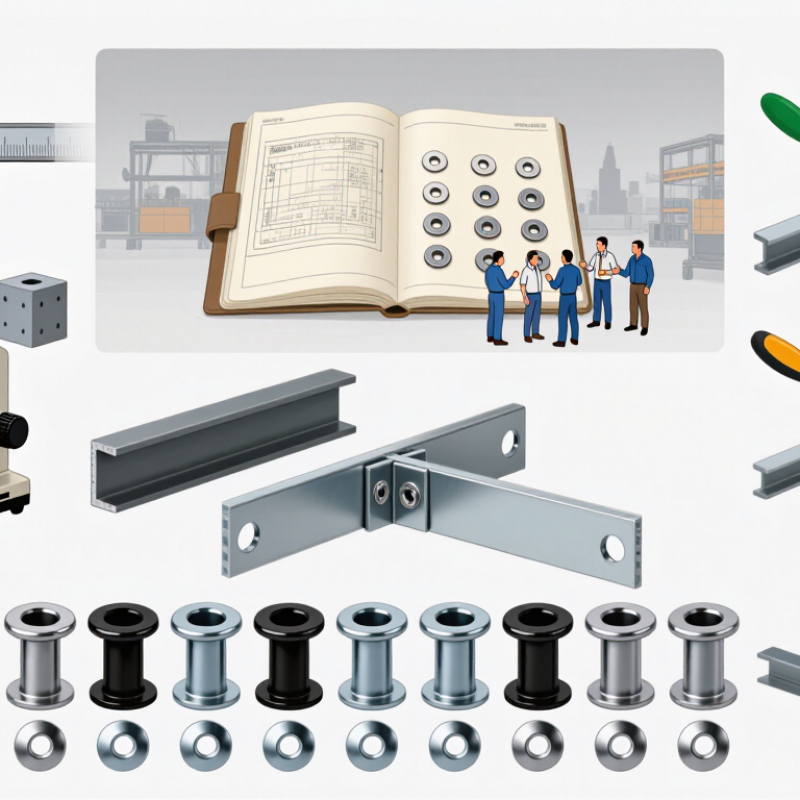
Structural Rivets: Definition and Core Function
Structural rivets are permanent mechanical fasteners designed for load-bearing joints. They usually have a solid or tubular body and a formed head. During installation, the rivet shank passes through aligned holes. A tool then deforms the tail, creating a second head. This locked shape holds connected plates tightly together. The joint remains secure without threads, nuts, or post-installation tightening. That is the core function.
In bridges, steel frames, trailers, and heavy equipment, structural rivets transfer shear and clamp materials. Their value comes from predictable strength, vibration resistance, and durable contact. A properly selected rivet must match the material, hole size, grip range, and expected load. Installers also inspect head formation, surface contact, and visible gaps. Small defects matter. An uneven tail may signal incomplete deformation or poor tool alignment. Engineering specifications and applicable standards should guide acceptance decisions. Field experience shows that clean holes and steady pressure reduce installation problems.
However, rivets are not automatically suitable for every connection. Temperature changes, corrosion exposure, and difficult access can alter performance. A design review should consider fatigue, galvanic interaction, and inspection access. Our first load estimate is not always correct; assumptions need checking against drawings and site conditions. That honest pause improves reliability. Manufacturers and suppliers should provide traceable dimensions, material data, and consistent quality control. Clear records help engineers verify each batch before assembly.
Common Types and Materials of Structural Rivets
China Best Structural Rivets Manufacturer and Supplier
Structural rivets are selected by load, joint access, and exposure conditions. Common types include solid rivets, blind structural rivets, and self-piercing rivets. Structural Pop Rivets are useful when installers can reach only one side. Their locking mechanisms help maintain clamp force under vibration, but joint design still matters.
Aluminum rivets reduce weight and resist atmospheric corrosion. Steel rivets provide higher shear strength for heavy assemblies. Stainless steel suits humid or chemically demanding areas, although galvanic corrosion needs attention. A 2024 report from Grand View Research estimated the global industrial fasteners market at over USD 100 billion, with construction and automotive production driving demand. This scale reflects broad fastener use, not structural-rivet sales alone.
Material pairing should follow engineering data, not habit. ISO 14589 specifies mechanical testing methods for blind rivets, while EN 1993-1-8 supports connection design decisions for steel structures. In workshop inspections, technicians should check mandrel seating, hole diameter, grip range, and visible head deformation. Small errors can reduce performance. The rivet may look acceptable.
Reports from MarketsandMarkets identify lightweight vehicles and modular construction as continuing fastener-market growth factors. That trend favors aluminum and high-strength steel solutions. Still, published market forecasts vary because analysts classify fasteners differently. Buyers should verify tensile strength, shear strength, corrosion testing, and batch traceability before approval. Supplier claims alone are not enough.
China Best Structural Rivets Manufacturer and Supplier - Common Types and Materials of Structural Rivets
| Rivet or Fastener Type |
Installation and Access |
Common Materials |
Typical Applications and Notes |
| Solid Rivets |
Installed from both sides; the tail is formed with a hammer or riveting tool. |
Aluminum alloys, carbon or alloy steel, and stainless steel. |
Used in structural assemblies such as aircraft structures, bridges, and heavy equipment. Material, diameter, grip length, and installation quality affect joint performance. |
| Structural Blind Rivets |
Installed from one side with a rivet tool; the mandrel expands the rivet body and is retained or controlled by the design. |
Common configurations include aluminum body with steel mandrel, steel body with steel mandrel, and stainless-steel body with stainless-steel mandrel. |
Useful where the rear side of a joint is inaccessible. Select a fastener specifically rated for the required structural loads and application. |
| Multi-Grip Structural Blind Rivets |
Installed from one side and designed to accommodate a specified range of combined material thicknesses. |
Typically aluminum or steel bodies with compatible steel or stainless-steel mandrels, depending on the product design. |
Can simplify inventory when joint thickness varies within the rivet's stated grip range. Check the manufacturer's load data and grip limits. |
| Pin-and-Collar Structural Fasteners |
Installed from both sides using a pin and a collar that is swaged onto the pin with a dedicated tool. |
Often made from high-strength steel or stainless steel; aluminum versions are available for selected applications. |
Used in heavy-duty structural joints, including transportation and industrial equipment. These are permanent fasteners and require matched installation tooling. |
| High-Strength Steel Rivets |
May be supplied as solid rivets or structural blind rivets; installation method depends on the design. |
Carbon or alloy steel, sometimes with a protective coating for corrosion control. |
Used where the specified design requires high strength. Coatings, base-metal compatibility, and the service environment should be considered to reduce corrosion risks. |
| Stainless-Steel Rivets |
Available in solid and blind configurations; installation depends on rivet type and access to the joint. |
Common grades include austenitic stainless steels such as 304 and 316, subject to product specification. |
Selected for corrosion resistance in suitable environments. Stainless fasteners can gall during installation, so the specified tools and installation procedure matter. |
| Aluminum Rivets |
Commonly supplied as solid or blind rivets; one-sided installation is possible with blind designs. |
Aluminum alloy bodies, sometimes paired with steel or stainless-steel mandrels. |
Useful where low weight and corrosion resistance are priorities. They are not interchangeable with steel rivets; verify the required strength and account for dissimilar-metal contact. |
Selection note: Structural capacity depends on the specific rivet design, dimensions, material, grip range, installation method, and joint configuration. Confirm values against the applicable product specification and engineering requirements.
Key Specifications and Performance Characteristics
Structural rivets are permanent fastening components designed for demanding joints in steel frames, bridges, vehicles, and industrial equipment. Their key specifications include nominal diameter, body length, grip range, material grade, head style, and hole tolerance. A rivet must match the combined thickness of the connected sheets. Too short, and the formed head cannot develop properly. Too long, and excess material may create installation defects.
Performance depends on shear strength, tensile strength, fatigue resistance, and joint stability. Steel rivets generally provide high load capacity, while aluminum versions reduce weight in suitable applications. Corrosion-resistant materials are valuable in humid, coastal, or chemically exposed environments. However, material selection should follow the base metal and service conditions. Galvanic corrosion is easy to overlook.
Reliable production requires controlled forming, accurate dimensions, consistent hardness, and batch traceability. During inspection, check the rivet diameter, surface finish, head profile, and grip length. Installation also matters. Misaligned holes can reduce effective strength, even when the rivet meets the specification. In practice, a small clearance may affect joint performance more than expected. This is why sampling, load testing, and documented quality checks remain essential for every structural rivet supply program.
How Structural Rivets Are Manufactured and Tested
Steel Structural Rivets begin with certified carbon or alloy steel rod. Material certificates record chemistry, heat number, and diameter. ASTM A502/A502M-18 defines three structural-rivet grades and their mechanical requirements. Each grade serves different load and environmental conditions.
Manufacturing usually includes cutting, heading, heat treatment, and controlled surface cleaning. Hot heading forms the shop head with a short, forceful stroke. Operators inspect cracks around the head and under the rivet shoulder. A smooth surface helps, but it does not prove strength. Traceability matters more than appearance.
Testing follows ASTM A370 procedures and the grade requirements in ASTM A502/A502M. Laboratories commonly perform tensile, hardness, dimensional, and visual examinations. They record yield strength, tensile strength, elongation, and failure location. Sampling is normally linked to a defined production lot. ISO 2859-1 provides an accepted framework for attribute-based sampling plans.
Inspectors also measure shank diameter, length, head geometry, and straightness. A small deviation can change installation quality. During qualification, sample rivets may undergo shear testing after controlled installation. The test records load, deformation, and fracture mode. Results should connect directly to the heat number and process record.
Production teams sometimes focus too heavily on tensile results. That is a weakness. Poor heating, scale, or uneven heading can remain hidden. A stronger process combines laboratory data with shop-floor observations, calibrated gauges, and periodic rechecks. Mistakes are still possible. Honest records make them easier to find.
Applications Across Construction and Industry
Construction projects often require strong joints where only one side is accessible. Structural Blind Rivets solve this practical challenge in steel framing, metal panels, guardrails, and equipment enclosures. Their internal locking design supports higher resistance against vibration and pull-out forces than standard blind rivets. Installers should match the rivet material with the connected sheets. Aluminum, steel, and stainless steel behave differently under moisture, heat, and load. Hole diameter also matters. A loose hole can weaken the connection and create movement over time.
Industrial applications include ventilation systems, transport equipment, electrical cabinets, and machinery covers. In these settings, consistent clamping force helps reduce rattling and maintenance problems. A dependable supplier should provide clear technical data, dimensional control, and traceable quality checks. Sample testing is useful before large-volume production. It can reveal issues with grip range, mandrel retention, or surface damage. Small details matter.
Field conditions are rarely perfect. Dust, uneven holes, and rushed installation can affect performance. That is why operators need practical fitting guidance, not only product numbers. Some designs may look suitable but fail after repeated vibration. Engineers should review load direction, sheet thickness, corrosion exposure, and inspection access. Even experienced teams can overlook one factor. Careful testing remains worthwhile.
How to Choose a Structural Rivet Supplier in China
How to Choose a Structural Rivet Supplier in China
China’s large steel ecosystem can support competitive structural rivet production. World Steel Association’s World Steel in Figures 2024 reported China produced about 1,019 million tonnes of crude steel in 2023. Capacity helps, but it does not prove consistent rivet quality. Some claims sound impressive. They are not proof.
Ask suppliers for material certificates, batch traceability, dimensional inspection records, and tensile or shear test results. Structural rivets should match the required standard, such as ASTM A502 or the applicable national specification. Check rivet diameter, grip range, hardness, and corrosion protection.
A reliable factory can explain its testing equipment and sampling frequency without hesitation. Request recent reports, not empty templates.
Production experience also matters. Ask for sample rivets from the intended production line. Inspect head shape, surface finish, and hole fit. Packaging deserves attention; mixed lots can create installation problems.
The 2023 ISO Survey recorded more than one million ISO 9001 certificates worldwide, so certification alone is not a strong differentiator. Audit scope and certificate validity matter more. A supplier may pass one audit and still miss a packaging detail. I would compare two or three trial orders before signing a long contract, while keeping clear records of every agreed specification.
Quality Standards and Supplier Evaluation Criteria
Selecting a China-based structural rivet supplier requires more than comparing unit prices. For Interlock Structural Rivets, review material certificates, dimensional reports, and verified tensile and shear test results. Ask whether each production batch receives documented inspection. A reliable factory should control rivet body diameter, mandrel fit, head geometry, and surface treatment. Small deviations can affect installation pressure and joint strength.
Request samples from regular production, not specially prepared pieces. Test them with the tools used on your assembly line. Check grip range, break load, pull-through resistance, and installation consistency. The supplier should provide clear lot numbers and traceability records. ISO 9001-based procedures can indicate process discipline, but certification alone proves little. Audit the actual workshop, calibration labels, storage areas, and final packing process. Look closely.
Supplier evaluation should also cover engineering support, response speed, and corrective-action records. Ask for evidence from previous quality issues, including root-cause analysis and preventive measures. A dependable manufacturer explains limitations instead of promising flawless results. No supplier is perfect. Overlooking this point can create false confidence. Lead-time performance, export packaging, inspection transparency, and production capacity deserve equal attention. A trial order may reveal more than a polished presentation, especially when samples face repeated installation and exposure testing.
Full Steel Closed-End Blind Rivets: Insights from Grand View Research’s Automotive Fasteners Market Report
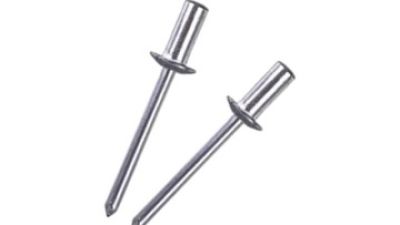
Automotive fasteners play a vital role in vehicle assembly, where dependable joints must withstand vibration, load, and demanding operating conditions. Market analysis of automotive fasteners points to the importance of strength, consistent quality, and efficient installation as manufacturers seek reliable fastening solutions. Full steel closed-end blind rivets are suited to applications where a secure connection and sealed tail are valuable. Their closed-end design helps limit the passage of moisture and debris through the rivet body, while the built-in mandrel supports installation from one side of the workpiece.
Manufactured in China from durable carbon steel, these rivets are designed for heavy-duty assemblies in automotive manufacturing, machinery, construction, and shipping applications. Their all-steel construction offers robust performance in demanding environments, making them a practical option for joining components where access to the reverse side is limited. As a factory and supplier of fastening products, we focus on consistent production and dependable quality to meet the needs of industrial projects. Choose full steel closed-end blind rivets for secure, durable fastening in your next assembly.
FAQS
Common types include solid, blind structural, and self-piercing rivets. Each suits different joint access and load conditions.
They work when installers can reach only one side. Their locking mechanism helps resist vibration, but joint design still matters.
Aluminum is lighter and resists atmospheric corrosion. Steel offers higher shear strength for heavy assemblies. Stainless steel suits humid areas, but mixed metals can corrode.
Check mandrel seating, hole diameter, grip range, and head deformation. A rivet can look fine and still be poorly seated.
They appear in steel framing, metal panels, guardrails, equipment enclosures, and ventilation systems. Small gaps can cause rattling later.
Match the rivet to sheet thickness, load direction, and exposure. Keep holes clean and correctly sized. Rushed work matters.
Request material certificates, batch traceability, dimensional records, and tensile or shear test results. Recent reports are more useful than blank templates.
No. Check the certificate’s scope and validity, then inspect samples from the intended production line. Packaging can still be overlooked. I would compare trial orders before committing.
Conclusion
Structural Rivets are permanent mechanical fasteners designed to create strong, vibration-resistant joints in demanding structures. This article explains their core function, common forms, and material options, including carbon steel, stainless steel, and corrosion-resistant alloys. It also reviews important specifications such as diameter, length, shear strength, tensile strength, grip range, and surface finish, helping buyers match rivets with specific project requirements.
The article further describes the manufacturing and testing process, including forming, heat treatment, dimensional inspection, and performance verification. Structural Rivets are widely used in steel construction, bridges, transportation equipment, industrial machinery, and other load-bearing applications. For buyers seeking a reliable supplier in China, key evaluation factors include production capability, material traceability, quality control systems, testing equipment, technical support, delivery consistency, and compliance with applicable industry standards. Careful supplier selection helps ensure safe, durable, and cost-effective fastening solutions.