Leave Your Message
0%

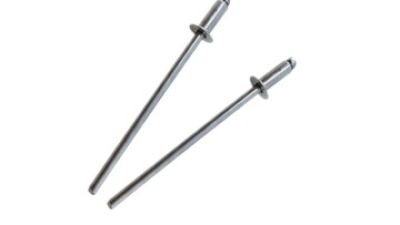
Picking the right fastener can really make or break whether a truck body stays secure after thousands of kilometers on the road. Take Aluminium Tri-Fold Blind Rivets for Trucks, for example — they have a wide backside expansion, which is super handy when you're working with thin, hollow, or hard-to-reach panels. Their unique three-fold design spreads out the clamping force over a larger area, which is a big deal for sidewalls, service boxes, trailers, and lightweight body panels.

Michael Turner, who's a Senior Applications Engineer over at RivetPro Systems, puts it simply: "Fasteners should be chosen based on the joint conditions, not just how they look." His advice? Always, always check the grip range, hole quality, and the environment you'll be working in before you even start installing. It’s a practical approach backed by years of testing on actual commercial vehicles and repair fleets. Because, honestly, a rivet might look sturdy, but if the grip length isn’t right, it could fail. Small details really do make a difference.

Before you go installing Aluminium Tri-Fold Blind Rivets, take a moment to measure the combined thickness of the panels carefully. Double-check the recommended hole size, and don’t forget to clean out any burrs or loose paint around the opening. Once you set the rivet, inspect the backside — it should form an even, tight fold without cracking the sheet. That’s the key to a good, lasting hold.

And don’t overlook corrosion. Aluminum bodies might seem simple, but they often include steel brackets, washers, or painted areas that can cause galvanic reactions if moisture gets trapped. Using compatible materials and protective coatings is your best bet. Some folks also look at hemlock blind rivets for trucks, especially when vibration resistance or a tighter joint control is needed. The bottom line? The best rivet choice really depends on what you’re working on, not just marketing hype.

One thing that’s often overlooked? The tools for installation. If your nosepiece isn’t set correctly, you run the risk of loose rivets or damaged heads. Even seasoned pros slip up sometimes. Taking a quick look after installation can save you from costly rework down the line. These tips—covering fit, load distribution, corrosion prevention, tool setup, and long-term durability—are all about helping you do the job right the first time.
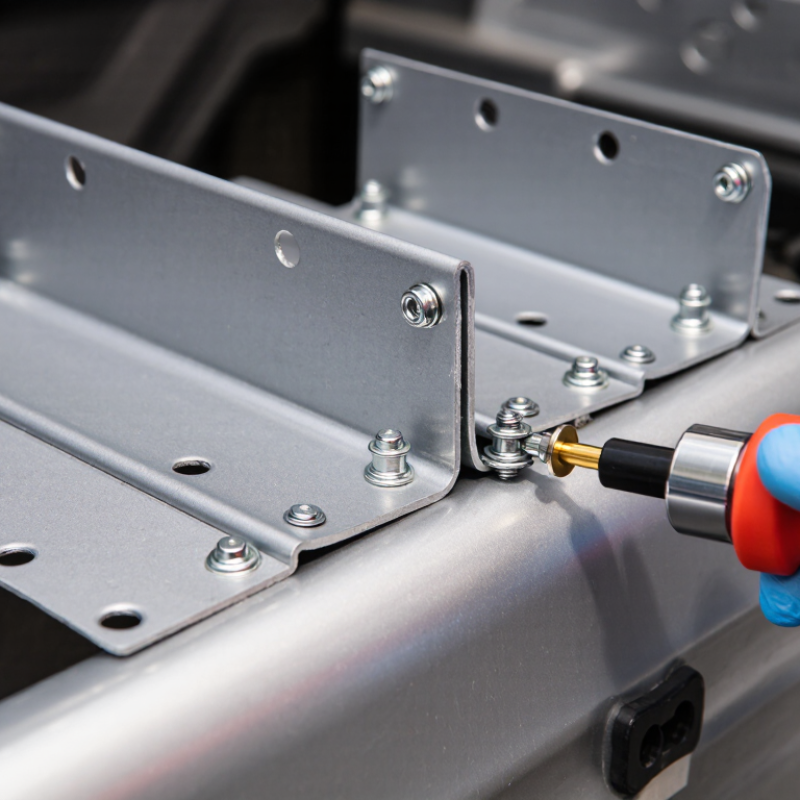
7 Tips for Aluminium Tri Fold Blind Rivets for Trucks

Understanding Aluminium Tri Fold Blind Rivets for Truck Applications

Aluminium tri-fold blind rivets are useful fasteners for truck bodies, side panels, mudguards, and interior fittings. Their three-part expansion creates a broad grip behind the sheet. This helps distribute pressure across thin or fragile materials. Aluminium also keeps weight low and resists many common outdoor conditions.

The rivet’s flange matters. Aluminium Large Flange Tri-Fold Blind Rivets provide a wider bearing surface than standard versions. This can reduce pull-through when panels flex during driving. Select the rivet by checking the total material thickness, hole diameter, and required grip range. A rivet that is too short may not form correctly. One that is too long may leave an uneven rear expansion.

Clean holes improve installation. Remove burrs, align the panels, and keep the rivet gun straight. The flange should sit flat against the outer sheet. Avoid crushing soft panels with excessive tool pressure. I have seen installers focus only on pull strength, while vibration resistance depends on fit and panel support. That is an easy mistake. It deserves review.

For exposed truck areas, inspect the joint after installation. Look for loose heads, cracked paint, or panel movement. Aluminium rivets may react with some dissimilar metals in wet conditions, especially where road spray remains trapped. A suitable barrier, washer, or sealant can help, but compatibility should be checked before use. Small details matter.

Selecting the Correct Rivet Size, Grip Range, and Material

Tip 1: Measure the combined thickness of the truck panel and bracket before selecting an aluminium tri fold blind rivet. The rivet’s grip range must cover this thickness without forcing the body.

Tip 2: Choose the correct diameter for the hole and expected load. A larger rivet is not automatically stronger. Thin aluminium panels can distort when oversized rivets are installed.

Tip 3: Check the rivet length carefully. Too short, and the legs cannot fold properly. Too long, and the folded end may catch cargo or wiring.

Tip 4: Match the rivet material with the truck’s surrounding metals. Aluminium rivets reduce weight and often suit aluminium panels, but mixed-metal contact can create corrosion in wet conditions. A protective coating or suitable isolating washer may help.

Tip 5: Inspect the mandrel material, not only the rivet body. It affects installation force, retained strength, and corrosion behavior. I have found that appearance alone is unreliable.

Tip 6: Test one rivet on a scrap panel with the same thickness. Check the folded legs, head seating, and panel movement. This small test can reveal an incorrect grip range early.

Tip 7: Consider vibration and repeated loading around truck bodies. A rivet that looks secure may still loosen a flexible panel. Tri fold designs spread load well, but they are not a cure for poor hole alignment. Recheck the specification after testing; my first choice is sometimes wrong. A torque, pull-out, or vibration review may be necessary for critical fittings.

Checking Truck Panel Thickness and Joint Compatibility

Truck body repairs often fail before riveting begins. The cause is usually incorrect panel thickness or poor joint compatibility. Measure every layer at the overlap, including paint, sealant, and folded edges. Do not estimate by sight.

Tri-fold blind rivets aluminium need a grip range that matches the combined material thickness. A rivet that is too short may not form its rear legs correctly. One that is too long can distort the joint. Check the manufacturer’s technical sheet for hole diameter and grip limits. Clean the hole edges, then inspect for cracks, burrs, or stretched metal. Small defects can become visible movement during driving.

Material pairing also matters. Aluminium panels may contact steel brackets, coated frames, or composite inserts. Moisture trapped between unlike metals can accelerate corrosion. A compatible washer, coating, or isolating layer may reduce that risk. The joint should also suit the rivet’s load direction and vibration exposure. Trucks flex constantly. A tight-looking joint is not always a strong one.

In workshop checks, I have seen measurements taken from one corner only. That is risky. Panel thickness can change near ribs and curved sections. Recheck several points. Mark the measured stack clearly before selecting rivet length. Test one rivet on spare material when possible. It may reveal a weak fit before the truck panel is damaged. I still find this step easy to skip, especially when the repair seems minor. That is where better checking matters.

Preparing and Aligning Surfaces Before Rivet Installation

Preparing the surfaces correctly determines whether aluminium tri-fold rivets remain secure on a working truck. Remove paint flakes, rust, grease, and metal burrs around each hole. A clean surface helps the rivet body seat evenly and reduces hidden movement.

The 2016 IMPACT corrosion study estimated global corrosion costs at about $2.5 trillion annually, equal to roughly 3.4% of global GDP. That figure supports careful cleaning, even on small truck repairs. Check the panel for cracks before drilling. Use a sharp bit, matching the specified hole diameter. Oversized holes can create looseness under vibration. They are easy to overlook.

Align the panels with clamps, not hand pressure. The holes should share one straight axis. Misalignment can force the mandrel sideways and leave uneven expansion behind the panel. Keep the rivet head flush against the outer surface. Wipe away drilling chips before installation, especially near joints exposed to road salt.

The 2023 Commercial Vehicle Safety Alliance Roadcheck recorded 59,026 inspections, with 12,456 vehicles placed out of service. The report focused on safety defects, but it shows why small installation errors deserve attention. I have seen a clean-looking repair fail because the backing surface was slightly folded. That was my mistake. A thin alignment check would have caught it. After setting each rivet, inspect the head, panel contact, and expanded backside. Do not rely only on the tool’s sound.

Using the Right Tools for Accurate Rivet Setting

Aluminium tri fold blind rivets suit truck panels because their legs spread behind thin or layered materials. Accurate setting begins with the correct rivet length. Measure the combined material thickness, then allow enough length for full leg expansion. An oversized rivet may buckle, while a short one may not grip securely. Check each rivet for dents, damaged stems, or uneven folds before installation. Small details matter.

Use a drill bit that matches the rivet hole, not a larger bit for convenience. Remove burrs and wipe away metal dust before joining the panels. Select a hand or pneumatic rivet tool with the correct nosepiece for the rivet stem. Keep it square. A tilted tool can create uneven expansion and leave the panel loose. Pull the stem smoothly, rather than forcing several sharp squeezes. I have found that steady pressure produces more consistent heads.

Watch the rivet body as it sets. The legs should fold evenly behind the panel, without cracking the aluminium or crushing the surface. My early mistake was tightening too quickly and overlooking a small gap between two truck panels. I had to drill the rivet out and reset it. That extra step was avoidable. After setting, inspect the head, panel contact, and remaining stem. Lightly test the joint by hand, then check nearby rivets for matching compression. Wear eye protection, especially when removing a failed rivet.

7 Tips for Aluminium Tri-Fold Blind Rivets for Trucks

Using the Right Tools for Accurate Rivet Setting

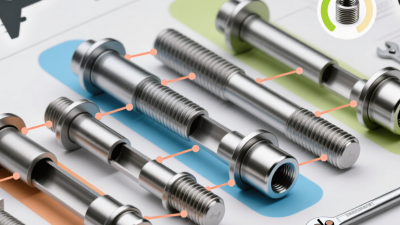
The chart shows common drill-hole ranges used with aluminium blind rivets. Select a hole slightly larger than the rivet body, keep the hole aligned with the sheets, use a nosepiece matched to the rivet diameter, and confirm the rivet’s grip range before installation. Always verify the final hole size and setting force against the fastener specification for the truck panel or bracket.

Inspecting Rivet Placement for Strength and Weather Resistance

Inspecting rivet placement is essential when fitting aluminium tri fold blind rivets on truck panels. A misplaced rivet can weaken the joint and invite water beneath the folded sections. Check that each hole is centered, clean, and free from sharp burrs. Measure the edge distance before drilling. Rivets placed too close to an edge may tear the aluminium under vibration.

Tip 1: Mark every hole with a template.
Tip 2: Keep spacing even along the seam.
Tip 3: Confirm the rivet length matches the combined panel thickness.

The rivet should form a firm rear head without crushing the sheet. I once found that a slightly oversized hole allowed movement after repeated road vibration. It looked acceptable at first, but it was not.

Inspect the blind side where access is limited.

Tip 4: Ensure the mandrel breaks cleanly.
Tip 5: Reject loose or tilted rivet heads.
Tip 6: Apply a suitable sealant around exposed holes when weather resistance matters.
Tip 7: Test the finished joint with gentle hand pressure, then inspect it after the first trip.

Do not cover dirt or trapped moisture. Wipe the surface dry first. Rain can reveal gaps that a workshop inspection misses. Uneven compression remains a common problem, especially when the panel is slightly curved. Recheck it rather than assuming the tool setting was correct.

Maintaining and Replacing Rivets on Truck Body Panels

Truck body panels endure vibration, road salt, dust, and repeated impacts. Rivets can loosen long before the panel visibly separates. Inspect each fastener during routine service, especially around wheel arches, hinges, and lower edges. Look for spinning rivet heads, enlarged holes, white corrosion, or rattling metal. Small movement matters.

All Aluminum Tri-Fold Blind Rivets work well for many lightweight aluminum panels. Their folded backside spreads the load across thin sheet metal. Match the rivet diameter and grip range to the panel thickness. A rivet that is too short will not form correctly. One that is too long may leave a weak, uneven fold. Remove damaged rivets with a sharp drill, keeping the bit centered. Do not force the drill into the panel.

Clean the hole with a brush and inspect its shape. If the hole has stretched, a larger approved rivet or a repair sleeve may be necessary. Keep steel tools and aluminum surfaces clean to reduce galvanic corrosion. A thin protective coating can help, but it must suit the panel material and service conditions. I once replaced a loose rivet without checking the surrounding hole. It failed again after several weeks. That mistake was avoidable. Set the replacement rivet squarely, then check for firm contact without crushing the panel. Wipe away metal chips. They often hide under seams and start corrosion.

China Stainless Steel Countersunk Blind Rivets: Durable, Corrosion-Resistant Fasteners from Trusted Factories

China stainless steel countersunk blind rivets combine a flush appearance with dependable mechanical performance, making them well suited to assemblies where surface continuity matters. Their countersunk heads sit below or level with the workpiece, helping create smooth aerodynamic panels, precision instrument housings, electronic enclosures, architectural details, and premium household appliances. Blind installation also allows secure fastening when access is available from only one side, improving production efficiency in automotive and industrial assembly.

Manufactured from high-grade stainless steel, these rivets provide strong resistance to moisture, oxidation, and many corrosive environments while maintaining structural integrity under vibration and everyday loading. The World Stainless Association reported global stainless steel crude production of approximately 58.4 million metric tonnes in 2023, reflecting the material’s broad use across demanding industries. In addition, the NACE IMPACT study estimated that corrosion costs the global economy about US$2.5 trillion annually, reinforcing the value of corrosion-resistant fastening solutions in product life-cycle planning.

China-based factories supply countersunk blind rivets in varied diameters, grip ranges, mandrel configurations, and surface requirements to support specific engineering needs. Consistent forming, reliable expansion, and controlled head geometry help manufacturers achieve repeatable installation quality without compromising aesthetics. These fasteners are a practical choice for projects requiring durability, a clean profile, and dependable performance in challenging service conditions.

FAQS

How should I measure the truck joint before choosing a rivet?

Measure every layer at the overlap. Include paint, sealant, folded edges, and brackets. Check several points, not one corner. Thickness can change near ribs and curves.

What does the rivet grip range need to cover?

It must cover the complete combined thickness without forcing the rivet body. A short rivet may not fold correctly. A long rivet may distort the joint or catch wiring.

Does a larger rivet always provide more strength?

No. Match the diameter to the hole and expected load. An oversized rivet can distort thin aluminium panels. Stronger is not always better.

How can I check whether the rivet length is suitable?

Mark the measured material stack clearly. Compare it with the rivet’s grip limits. Test one rivet on matching scrap material. Look at the folded legs and head seating.

Can aluminium rivets contact steel truck brackets?

They can, but moisture between different metals may accelerate corrosion. Use a suitable coating, washer, or isolating layer when needed. Wet joints deserve extra attention.

Why should I inspect the mandrel material?

The mandrel affects installation force, retained strength, and corrosion behavior. Appearance alone can mislead. It may look right and perform poorly.

What should I inspect before installing a blind rivet?

Clean the hole edges first. Check for cracks, burrs, and stretched metal. Small defects can become visible panel movement after installation.

How should vibration affect rivet selection?

Consider repeated loading and flexible truck panels. A tight-looking joint may still loosen. Check hole alignment, then review pull-out, torque, or vibration requirements for critical fittings. My first choice is sometimes wrong.

Conclusion

Aluminium Tri-Fold Blind Rivets For Trucks provide a practical fastening solution for joining body panels, brackets, and other lightweight components where access to the rear side is limited. Selecting the correct rivet requires careful consideration of diameter, length, grip range, and material compatibility. Before installation, measure the combined panel thickness and confirm that the joint design can withstand vibration, weather exposure, and regular vehicle use. Clean, flat, and properly aligned surfaces help prevent gaps, distortion, and uneven loading.

For accurate setting, use a suitable hand or powered riveting tool and drill a clean hole that matches the rivet specifications. Keep the rivet perpendicular to the panel and apply steady pressure until the tri-fold legs form a secure backing. After installation, inspect the rivet head, folded legs, and surrounding panels for looseness, cracks, or moisture paths. Periodic checks are recommended, especially on trucks exposed to heavy vibration or harsh conditions. Replace damaged or weakened rivets promptly to maintain panel strength, alignment, and weather resistance.

Sophie

Sophie

Sophie is a dedicated marketing professional with extensive expertise in the field of fasteners, particularly in blind rivets, rivet nuts, and non-standard fasteners. With years of experience in the industry, she has developed a profound understanding of the technical specifications and......
Previous How to Find the Best Aluminium Tri Fold Blind Rivets Price?