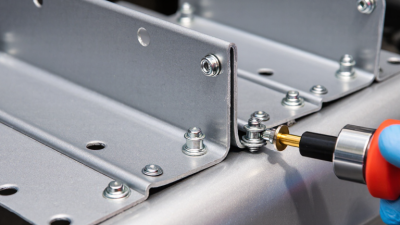
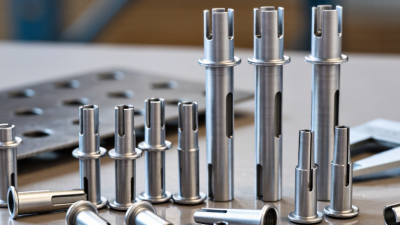
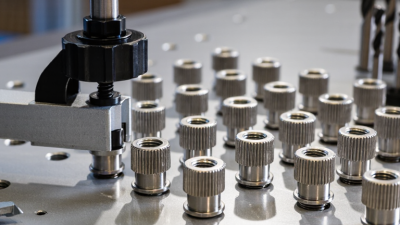
In 2026, aluminum tri-fold blind rivets for construction are starting to get noticed—especially for insulated panels, roofing systems, signage, and lightweight façades. The three-legged expansion spreads the load behind thin or fragile materials, which cuts down pull-through risk. It also helps when you can't get to the back side of the joint. Daniel Harper, a fastening engineer at NorthBridge Fastening Systems, puts it well: 'A rivet is only reliable when its grip range matches the joint, not merely the hole diameter.' And yeah, that point really matters. Before ordering, contractors should check material thickness, hole size, mandrel retention, and corrosion exposure. Aluminum bodies are light and offer useful corrosion resistance, but they won't fit every high-load structural connection. steel blind rivets for construction can give you more strength, though they may add weight and create galvanic issues against aluminum sheets. Compatibility matters. Out in the field, small problems often show up early. A loose rivet can leave a visible ring around a panel hole, and the wrong grip can cause weak expansion behind the substrate. Installers should use calibrated tools and inspect the formed head after setting. Simple checks do help. Don't rely on appearance alone. A dependable spec should include alloy, diameter, grip range, head style, and application environment. Salt air, vibration, moisture, and thermal movement can all change performance over time, so product data sheets and independent test results are still essential. Even experienced teams sometimes pick convenience over verification—and that habit is worth reflecting on. The best 2026 solutions will balance installation speed, load performance, corrosion resistance, and long-term maintenance. Each joint should be treated as a small engineering decision, not just another quick fastening task.
What Are Aluminum Tri-Fold Blind Rivets?
What Are Aluminum Tri-Fold Blind Rivets?
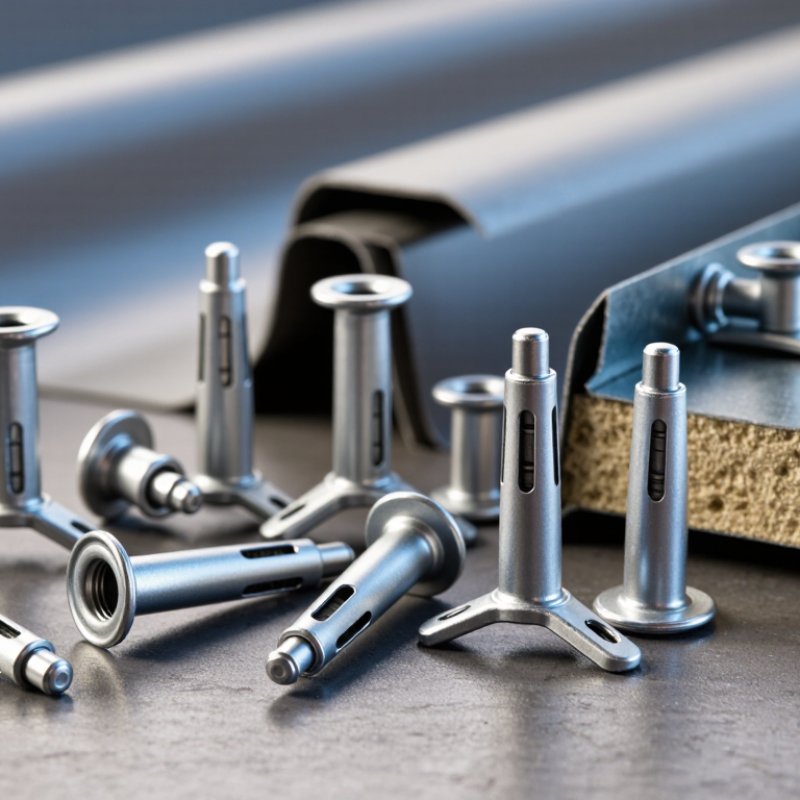
Aluminum tri-fold blind rivets are fasteners that join materials from one accessible side. Their body opens into three wide legs during installation. These legs spread behind the rear sheet and create a broad bearing area. This design helps secure thin, soft, or slightly uneven materials. The aluminum body keeps the rivet lightweight and offers useful corrosion resistance in many building environments. A steel or aluminum mandrel pulls the body open, then breaks away after setting. The result is a firm connection without reaching behind the assembly.
These rivets suit panels, ductwork, light framing, and exterior cladding details. Their wide folded legs can reduce pull-through in thin sheet materials. However, they are not a universal replacement for structural bolts or heavy-duty rivets. Check the grip range carefully. A rivet that is too short may not fold correctly. One that is too long can leave a loose, untidy joint. For multi-grip blind rivets for construction, confirm hole diameter, material thickness, shear strength, and tensile requirements against reliable technical data. Field experience matters, but measurement matters more.
Tips: Drill clean, round holes and remove sharp burrs. Keep the rivet head flush with the surface. Test one connection before installing hundreds. I still recheck the grip range after changing panel thickness; small errors can become expensive. Use compatible washers when the rear material feels fragile. Never judge performance by appearance alone.
How Tri-Fold Rivets Work in Construction
2026 Top Aluminum Tri Fold Blind Rivets for Construction
Tri-fold blind rivets are installed from one accessible side, which suits enclosed profiles and thin construction panels. Their sleeve contains a mandrel and a deformable body. When the rivet gun pulls the mandrel, the sleeve expands behind the joint. It forms three broad legs. These legs press against the hidden surface and distribute clamping force across a wider area. The rivet head holds the visible face tightly against the material.
Aluminum versions offer low weight and useful corrosion resistance in many building environments. They work well with sheet metal, insulated panels, ducts, and light framing. Correct hole size matters. A loose hole can reduce grip, while an undersized hole may damage the sleeve during installation. Clean, aligned surfaces also improve the final clamp. Use a rivet length that allows the sleeve to form fully behind the thinner material.
Field inspection should check for a seated head, complete leg formation, and no loose movement. A practical mistake is choosing a large-looking rivet without checking the joint thickness. Bigger is not always stronger. Tri-fold designs spread force effectively, but they do not replace structural bolts where heavy loads, vibration, or safety-critical connections are involved. Mixed metals also deserve attention, because moisture can accelerate galvanic corrosion. A small sealant layer may help, but it cannot correct poor fit or unsuitable load calculations.
2026 Top Aluminum Tri Fold Blind Rivets for Construction - How Tri-Fold Rivets Work in Construction
Construction selection guide and typical dimensional data for open-end tri-fold blind rivets
| No. |
Typical Construction Use |
Nominal Diameter |
Typical Grip Range |
Recommended Hole Size |
Typical Body / Mandrel |
How the Rivet Works |
Main Advantage |
Selection Note |
| 1 |
Light-gauge sheet metal, flashing, duct covers and trim |
3.2 mm
1/8 in |
1.0–3.2 mm
0.039–0.126 in |
3.3–3.4 mm
0.130–0.134 in |
Aluminum alloy body with steel mandrel |
The mandrel pulls through the body and expands it into three rear-facing legs, clamping the sheets from the blind side. |
Low installation force and broad rear-side load distribution |
Use for light loads and thin sheet assemblies. |
| 2 |
Roofing accessories, gutters, soffits and aluminum panels |
4.0 mm
5/32 in |
1.5–4.8 mm
0.059–0.189 in |
4.1–4.2 mm
0.161–0.165 in |
Aluminum alloy body with steel mandrel |
The three expanded legs create a large bearing footprint behind the softer or thinner material. |
Helps reduce pull-through and local crushing |
Keep the grip within the specified range to obtain full leg formation. |
| 3 |
HVAC panels, insulation facings and enclosure components |
4.8 mm
3/16 in |
3.0–6.4 mm
0.118–0.252 in |
4.9–5.0 mm
0.193–0.197 in |
Aluminum alloy body with steel mandrel |
A blind-rivet tool pulls the mandrel until the body forms three folds or legs, then the mandrel head breaks off at the designed stem point. |
Good coverage of oversized or irregular rear-side contact areas |
Check access for the tool nosepiece and confirm material thickness before installation. |
| 4 |
Plastic panels, fiberglass components and brittle cladding |
4.8 mm
3/16 in |
1.5–6.4 mm
0.059–0.252 in |
4.9–5.0 mm
0.193–0.197 in |
Aluminum alloy body with steel mandrel |
The legs spread the clamping load over a wider area than a conventional bulb-forming blind rivet. |
Lower risk of breakout in suitable thin, brittle or low-strength substrates |
Use washers or backing plates when the substrate is especially weak or highly loaded. |
| 5 |
Thicker wall panels, composite assemblies and exterior covers |
6.4 mm
1/4 in |
3.0–9.5 mm
0.118–0.374 in |
6.5–6.7 mm
0.256–0.264 in |
Aluminum alloy body with steel mandrel |
The larger body diameter and three-leg expansion provide increased clamping area for thicker construction stacks. |
Suitable for larger holes and assemblies requiring greater bearing area |
Verify tool capacity, joint strength and corrosion compatibility. |
How Tri-Fold Blind Rivets Work in Construction
1. Drill or punch aligned holes through the materials and remove burrs.
2. Insert the rivet body from the accessible side until the flange contacts the outer sheet.
3. Place the blind-rivet tool over the mandrel and pull the mandrel through the rivet body.
4. The aluminum body splits and folds into three rear-side legs, creating a broad clamping footprint.
5. The mandrel fractures at its designed break point, leaving the installed rivet locked in the joint.
Technical note: The dimensional values above are typical construction ranges for aluminum-body tri-fold blind rivets. Actual grip range, hole tolerance, mandrel alloy, flange diameter, pull-up force, shear strength and tensile strength vary by rivet design. Confirm the current technical datasheet and perform a joint test before using the fastener in structural, safety-critical or code-regulated applications.
Key Materials, Sizes, and Performance Features
All Aluminum Tri-Fold Blind Rivets suit construction joints where access exists from one side only. Their aluminum body resists rust and reduces weight, while the tri-fold legs spread behind thin sheet materials. This wider bearing area helps prevent pull-through in panels, ducts, and lightweight framing. The International Aluminium Institute reports that recycled aluminum requires about 95% less energy than primary aluminum, supporting lower-impact material selection.
Material matching still matters. Aluminum bodies work well with aluminum sheets, but steel mandrels can create galvanic corrosion in damp environments. A coated or aluminum mandrel may be safer, depending on load and exposure. Common diameters include 3.2, 4.0, 4.8, and 6.4 millimeters. Grip length must cover the combined panel thickness, with enough expansion space behind the joint. A loose fit is a problem.
Performance depends on more than size. The 2024 Construction Industry Forecast from Dodge Construction Network indicates continued demand for repair, retrofit, and light commercial work, where fast installation has practical value. In field checks, I look for full leg formation, a seated flange, and no crushed panel surface. ASTM-based testing can verify shear, tensile, and corrosion performance, but site conditions remain less predictable. I have seen oversized rivets distort thin aluminum. That choice was not perfect. Temperature movement, vibration, and moisture deserve another inspection.
2026 Top Aluminum Tri-Fold Blind Rivets for Construction
Typical performance comparison by nominal rivet diameter. Values represent common engineering ranges for aluminum tri-fold rivets with aluminum bodies and steel mandrels; final selection should be verified against the manufacturer’s technical data and joint design.
Key materials: Aluminum rivet bodies provide low weight and corrosion resistance, while steel mandrels provide the setting force required for the tri-fold expansion. The displayed values show typical maximum grip lengths and approximate ultimate shear capacities for construction-oriented sizes.
Top Selection Criteria for 2026 Construction Projects
Choosing aluminum tri fold blind rivets for 2026 construction projects requires more than checking price and availability. Start with joint design, material thickness, and access limitations. Tri fold rivets spread their legs behind the sheet, supporting softer materials and irregular holes. Verify the grip range carefully. A mismatch can leave loose panels or excessive compression.
Site conditions matter. For exterior walls, assess moisture, salt exposure, temperature changes, and contact with dissimilar metals. Select a rivet with suitable corrosion resistance and a mandrel designed for the expected load. Review technical data, batch traceability, and documented quality testing. A clean appearance proves little. I have seen attractive fasteners fail after poor hole preparation.
Tips:
Measure the combined material thickness at several points. Clean burrs before installation. Use the correct nosepiece and pull setting. Inspect the formed backside after fastening. It should sit evenly, without cracked sheets or an exposed, loose mandrel. Keep a few samples from each delivery for later checks. This step is often skipped. That can complicate inspections. Project engineers should also compare shear and tensile data with the actual connection design, rather than relying on general claims. If vibration is expected, test a representative assembly before full installation. Some assumptions will be wrong. Better to discover that on a workbench.
Safety, Maintenance, and Common Failure Prevention
2026 Top Aluminum Tri Fold Blind Rivets for Construction
Safety begins with correct installation, not the rivet alone. An Aluminum Tri Fold Blind Rivet spreads its legs behind thin panels, helping secure insulation boards, duct covers, and lightweight cladding. The hole must match the specified diameter, and the material stack must fit the rivet’s grip range. An oversized hole can create movement. A short grip can leave the joint weak. The U.S. Bureau of Labor Statistics recorded 1,075 construction workplace deaths in 2023. That figure does not measure rivet failures, but it reinforces the need for disciplined installation and inspection.
Maintenance teams should inspect loose heads, panel vibration, edge cracking, and white powder near aluminum surfaces. These signs may indicate overload, moisture intrusion, or galvanic corrosion from incompatible metals. Keep joints dry where possible. Avoid forcing a rivet into a damaged hole. Replace it with the correct size, rather than hiding the defect. Field inspections often expose rushed repairs. They also reveal an uncomfortable truth: even experienced crews sometimes skip torque, spacing, or grip checks.
Tips: Clean the hole before fastening. Use compatible washers where required. Check three sample joints per work area. Record batch, location, and inspection date. Recheck exposed panels after severe wind or vibration. ASTM E488 testing can help evaluate fastening performance, while manufacturer data should confirm shear and tensile ratings. Small records matter. So does admitting uncertainty.
Conclusion
Aluminum Tri-Fold Blind Rivets For Construction are specialized fasteners designed to create strong, reliable joints when access is available from only one side of a panel or structural assembly. Their tri-fold body expands into three broad legs behind the base material, distributing clamping force over a larger area and helping reduce pull-through in softer or thinner materials. This makes them suitable for applications involving aluminum sheets, composite panels, insulation components, and other lightweight construction assemblies.
For 2026 projects, selection should consider rivet diameter, grip range, mandrel strength, corrosion resistance, load requirements, and compatibility with the joined materials. Proper installation requires the correct drill size, a clean and aligned hole, and a compatible hand or powered rivet tool. Operators should wear suitable eye and hand protection, inspect fasteners before use, and avoid over-compressing the joint. Regular checks for looseness, cracking, corrosion, or material deformation can help prevent common failures and support long-term structural performance.