
What Is Pop Rivet Used For?
What Is Pop Rivet Used For?
If you’ve ever worked on a DIY project, automotive repair, or industrial assembly, you’ve likely come across pop rivets—but do you know exactly what they’re used for? Pop rivets (also known as blind rivets) are one of the most versatile, user-friendly fasteners available, permanent joint from only one side of a material. In this article, we’ll break down the most common uses of pop rivets, organized by industry and project type, so you can confidently choose and use them for your regular usage. We’ll also cover key tips for selecting the right pop rivet type and material to match your application, ensuring long-lasting, reliable results.
First: A Quick Refresher on Pop Rivets
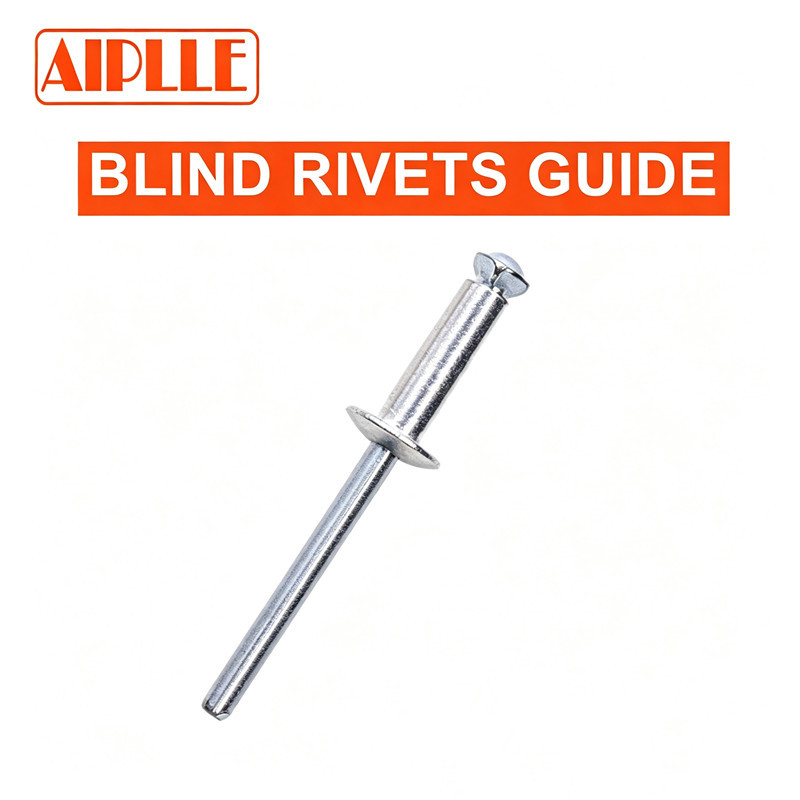
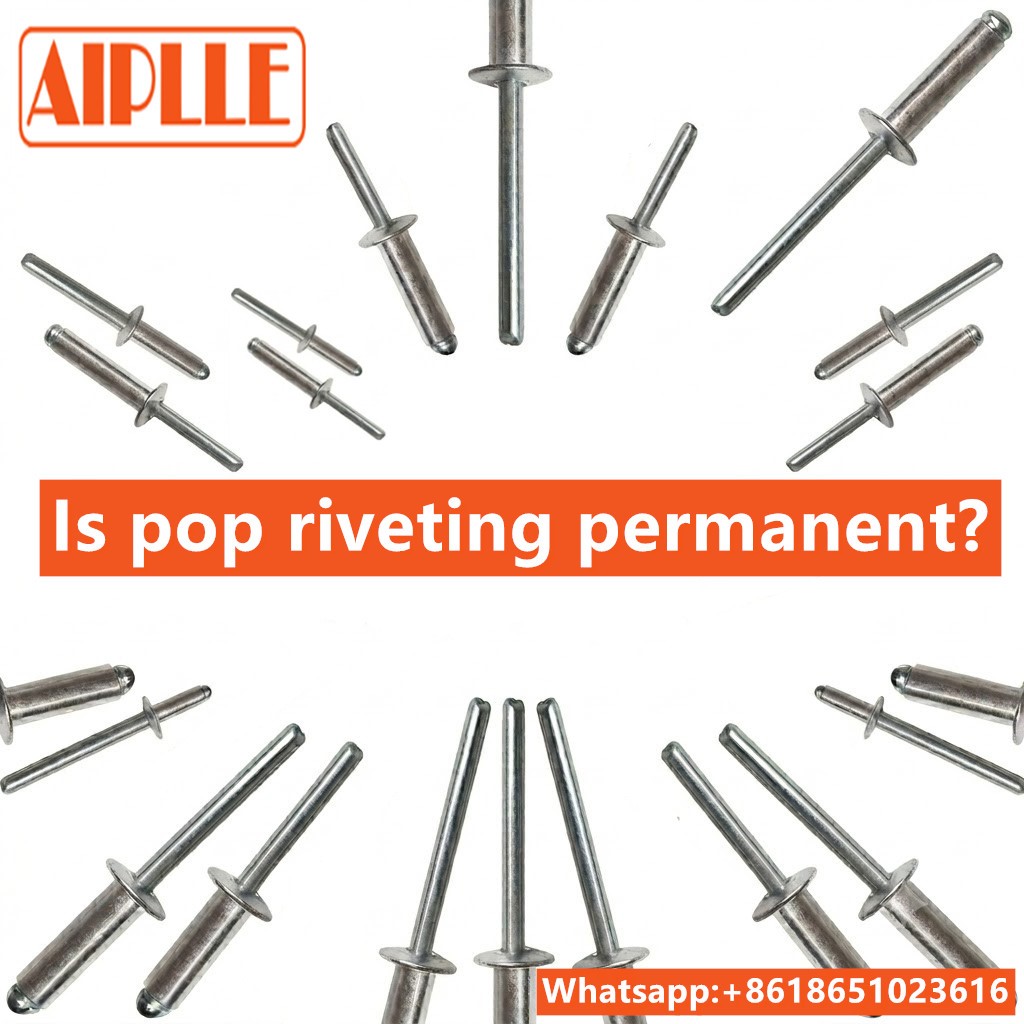
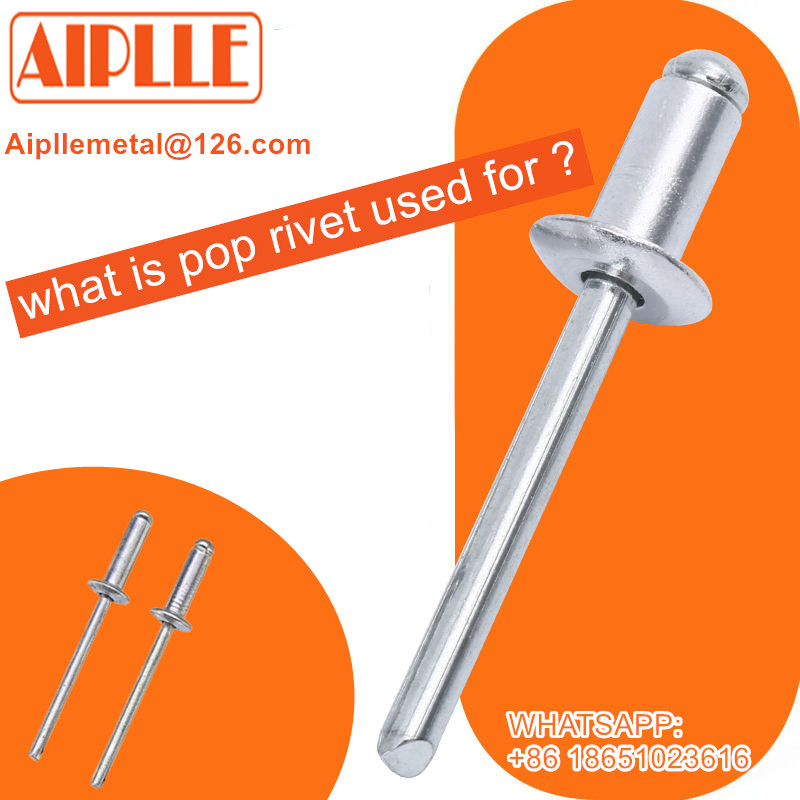
Before diving into their uses, let’s recap what a pop rivet is—this will help you understand why they’re ideal for certain applications. A pop rivet is a two-piece fastener consisting of a hollow cylindrical body (sleeve) and a solid mandrel (pin) running through its center. When installed with a pop rivet gun (manual, pneumatic, or electric), the mandrel is pulled, causing the blind end of the body to expand and clamp down on the backside of the material.Pop rivets are available in various types (open-end, closed-end, countersunk, large flange, etc.) and materials (aluminum, stainless steel, steel, plastic, copper), each tailored to specific strength, corrosion-resistance, and application needs.
The Most Common Uses of Pop Rivets (By Industry/Project)
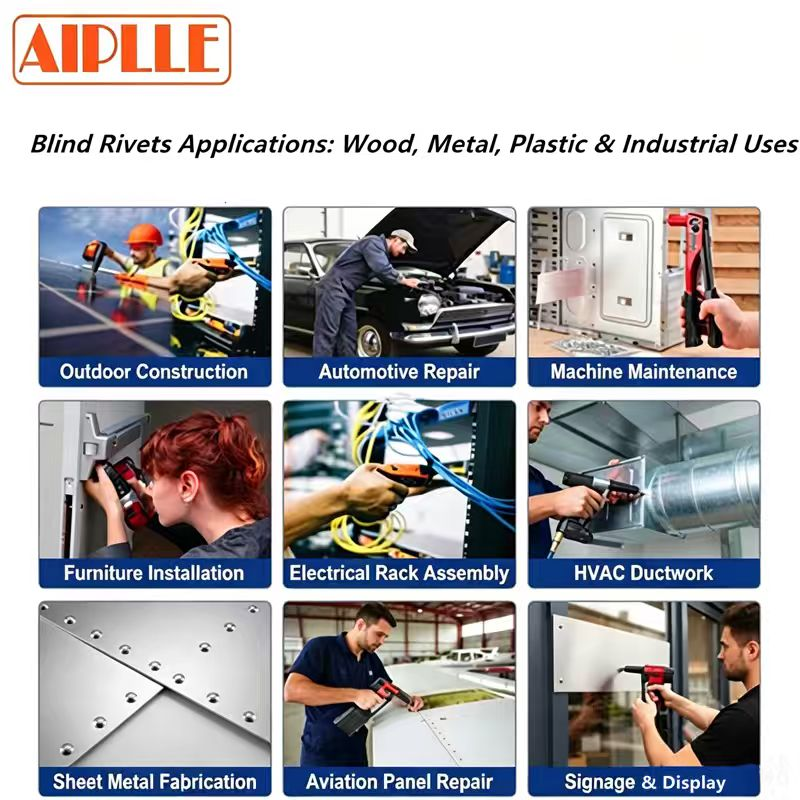
Pop rivets are used in nearly every industry where secure, one-sided fastening is needed. Below are their most popular applications, organized by category, with details on which pop rivet type and material work best for each work.
1. Automotive Repair & Assembly
The automotive industry relies heavily on pop rivets for both factory assembly and aftermarket repair, thanks to their speed, reliability, and ability to fasten thin metal sheets without damaging them. Common automotive uses include:
● Exterior Panels: Fastening fenders, bumpers, door skins, and trim pieces. Open-end aluminum pop rivets are ideal here—they’re lightweight, affordable, and corrosion-resistant enough for undercarriage and exterior use. For areas prone to water (like near the wheel well), closed-end waterproof pop rivets prevent rust and water damage.
● Interior Components: Securing dashboard panels, door panels, seat brackets, and carpet trim. Plastic pop rivets are often used here—they’re non-conductive, lightweight, and won’t scratch or damage interior plastics. Drum-type pop rivets are also great for soft interior materials, as their expanded tail distributes pressure evenly.
● Mechanical Parts: Fastening heat shields, exhaust brackets, and underbody panels. High-strength steel or stainless steel pop rivets are preferred here for their ability to withstand heat and vibration .
2. Marine & Boat Applications
Boats and marine equipment require fasteners that can withstand saltwater, humidity, and constant exposure to the elements—and pop rivets are up to the task, when chosen correctly. Common marine uses include:
● Boat Hull & Deck Repair: Fastening aluminum or fiberglass hull panels, decking, and railings. Stainless steel or monel pop rivets are mandatory here—they’re highly corrosion-resistant and can withstand saltwater exposure without rusting. Closed-end pop rivets add a waterproof seal, preventing water from seeping into the hull
● Marine Hardware Installation: Securing cleats, cup holders, and storage compartments to the boat’s interior or exterior. Large flange pop rivets are ideal for this—their wide bearing area distributes pressure, preventing damage to thin fiberglass or aluminum sheets
● Outdoor Marine Equipment: Fastening covers, enclosures, and electrical boxes on docks, piers, or boat lifts. Sealed pop rivets (closed-end) keep water and dust out, ensuring equipment longevity
Waterproof close end rivets with salt-resistant performance are specifically designed for marine environments, meeting the strict requirements of marine grade fasteners
3. DIY & Home Improvement Projects
Pop rivets are a DIY enthusiast’s best friend—they’re easy to install with a basic manual rivet gun, require no specialized skills, and work on a variety of materials. Common DIY uses include:
● Metal Projects: Building storage shelves, toolboxes, garden fences, or metal art. 1/8 inch or 5/32 inch aluminum pop rivets are perfect for light to medium-duty metal work—they’re affordable and easy to handle. For heavier metal projects (like steel frames), 1/4 inch steel pop rivets provide extra strength
● Wood & Furniture Repair: Securing wooden frames, furniture trim, or decorative accents. Drum-type or lantern-type pop rivets are ideal for wood—their expanded tail grips the wood securely without splitting it. Copper pop rivets also add a decorative touch to wooden crafts.
● Home Repairs: Fixing gutters, downspouts, HVAC ducts, or metal siding. Open-end pop rivets work for most home repair tasks, while closed-end rivets are better for gutters and ducts to prevent leaks .
● Decorative Projects: Adding decorative accents to furniture, walls, or crafts. White or black painted pop rivets are perfect for visible surfaces—they blend in or add a pop of color without compromising functionality .
4. Industrial & Manufacturing
In industrial settings, pop rivets are used for mass production and heavy-duty assembly, thanks to their speed and consistency. Common industrial uses include:
● Sheet Metal Assembly: Fastening metal sheets for enclosures, control panels, and machinery housings. Open-end steel or stainless steel pop rivets are used for standard applications, while closed-end rivets are used for sealed enclosures (like electrical boxes).
● Heavy-Duty Equipment: Securing components on construction machinery, agricultural equipment, and industrial tools. Structural pop rivets (like Cherry Max or Huck rivets) are used here—they retain the mandrel for extra strength and can withstand high vibration .
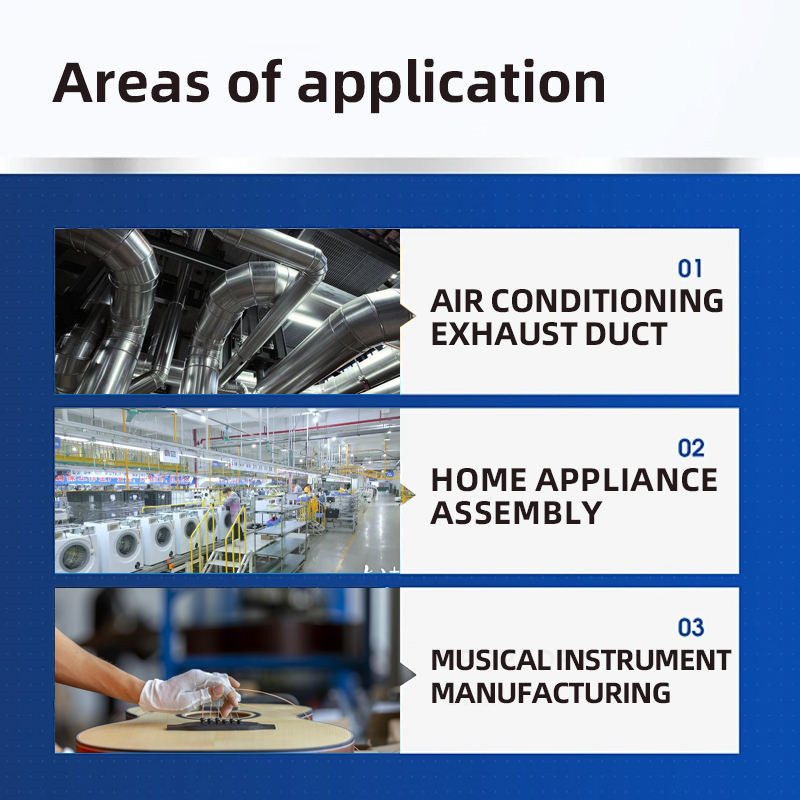
● Lightweight Assembly: Fastening thin, delicate materials (like plastic or fiberglass) for electronics, appliances, or aerospace components. Plastic or aluminum pop rivets are used here—they’re lightweight and won’t damage fragile materials .
● Mass Production: Pneumatic or electric rivet guns make pop rivets ideal for assembly lines, where speed and consistency are key. Metric pop rivets (like 5mm) are often used in European industrial settings, while imperial sizes (like 1/4 inch) are common in North America ,Lantern-type pop rivetsare also widely used in industrial field repair kits, as their unique expansion structure works well with thick or multi-layered materials, reducing the need for multiple rivet sizes .
5. Aerospace & Aviation
While aerospace applications require extremely high-strength fasteners, pop rivets (specifically structural pop rivets) are used for non-critical components. Common uses include:
● Interior Panels: Fastening cabin panels, overhead bins, and seat components. Lightweight aluminum or titanium pop rivets are used here to keep weight down while maintaining strength .
● Non-Structural Exterior Components: Securing access panels, fairings, and decorative trim. Countersunk pop rivets are preferred here—they sit flush with the surface, reducing drag and maintaining the aerodynamic shape of the aircraft .
How to Choose the Right Pop Rivet for Your Use Case
To get the most out of pop rivets, you need to match the type, size, and material to your specific application. Here’s a quick guide to help you choose:
By Type
● Open-End Pop Rivets: Best for general-purpose,(e.g., DIY metal projects, interior panels). Cost-effective and easy to install .
● Closed-End Pop Rivets: Ideal for waterproof or dustproof applications (e.g., marine, gutters, electrical enclosures).
● Countersunk Pop Rivets: Perfect for visible surfaces (e.g., aircraft fairings, furniture) where a flush finish is needed.
● Large Flange Pop Rivets: Great for soft or thin materials (e.g., fiberglass, thin metal) where pressure distribution is key.
● Structural Pop Rivets: For heavy-duty, load-bearing applications (e.g., automotive chassis, industrial machinery).
● Plastic Pop Rivets: Best for light-load, non-conductive applications (e.g., automotive interior, plastic panels) .
By Material
● Aluminum Pop Rivets
● Stainless Steel Pop Rivets
● Steel Pop Rivets
● Plastic Pop Rivets
● Copper Pop Rivets
By Size
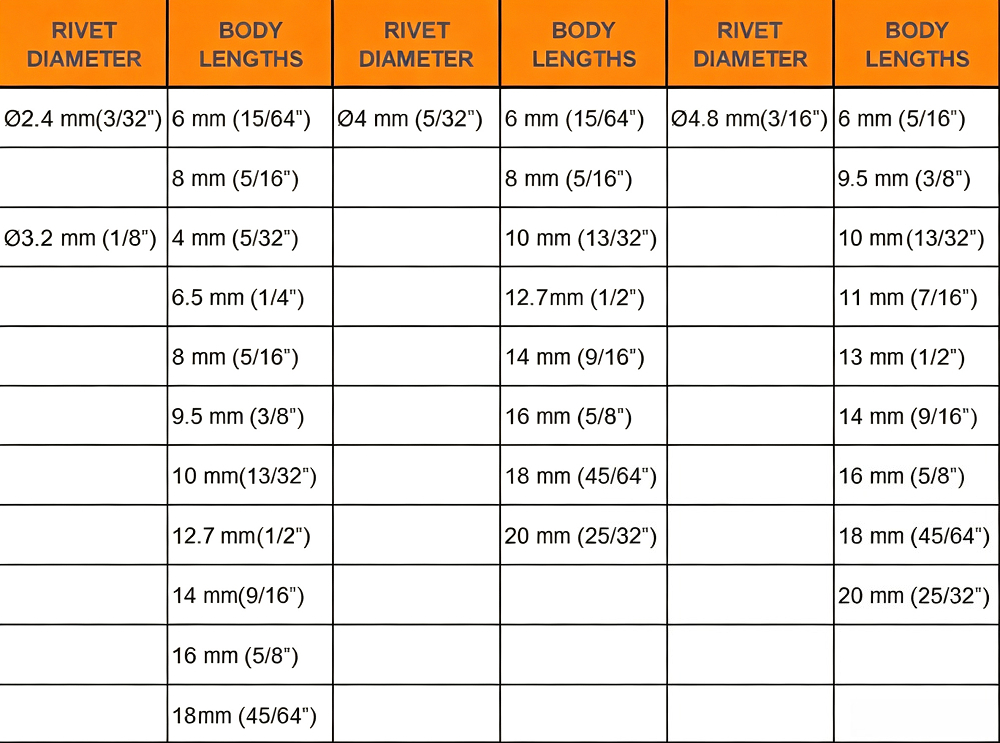
● 1/8 Inch Pop Rivets: Light-duty applications
● 5/32 Inch Pop Rivets: Medium-light duty
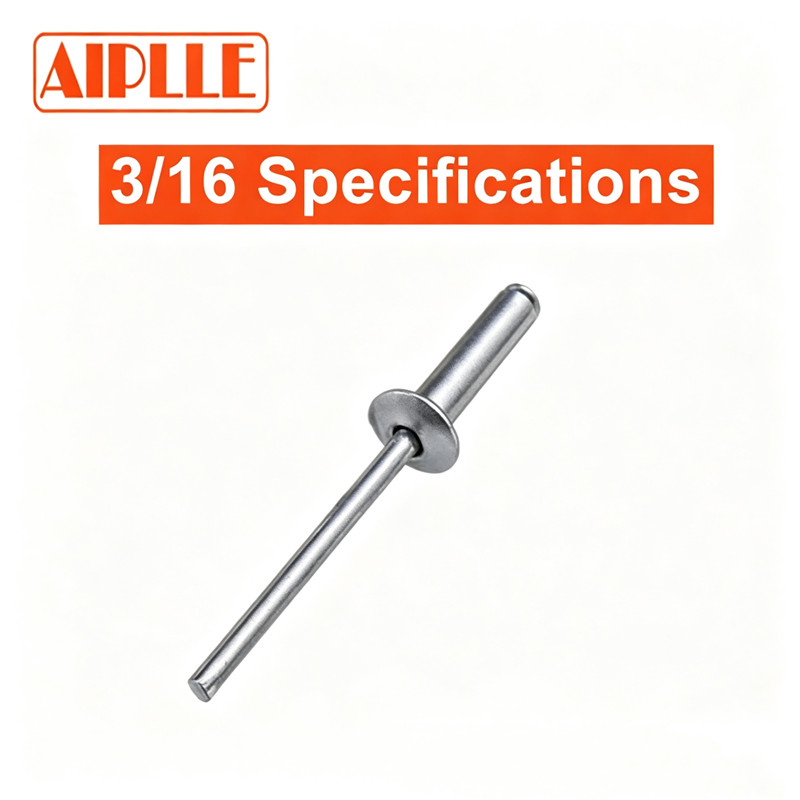
● 3/16 Inch Pop Rivets: Medium-duty
● 1/4 Inch Pop Rivets: Heavy-duty
Other Customized Size .
Pop Rivets Are More wider application
From automotive repair to DIY crafts, marine equipment to industrial assembly, pop rivets are a reliable, easy-to-use fastener that solves one of the biggest challenges in fastening: accessing both sides of a material.It means there’s a pop rivet for nearly every application, whether you’re a professional mechanic, a manufacturer, or a weekend DIYer.
FAQs About Pop Rivet Uses
Q: Can pop rivets be used on wood?
A: Yes! Multi-grip or Tri-fold pop rivets are perfect for wood—their expanded tail distributes pressure evenly, gripping the wood securely without splitting it. They’re great for furniture, wooden frames, and crafts.
Q:: Are pop rivets waterproof?
A: Only closed-end pop rivets are waterproof. Open-end pop rivets leave a small hole, which can let water or dust in.
Q: Can pop rivets be used for heavy-duty applications?
A: Yes! Structural pop rivets are designed for heavy-duty, load-bearing applications like automotive chassis, industrial machinery, and construction.
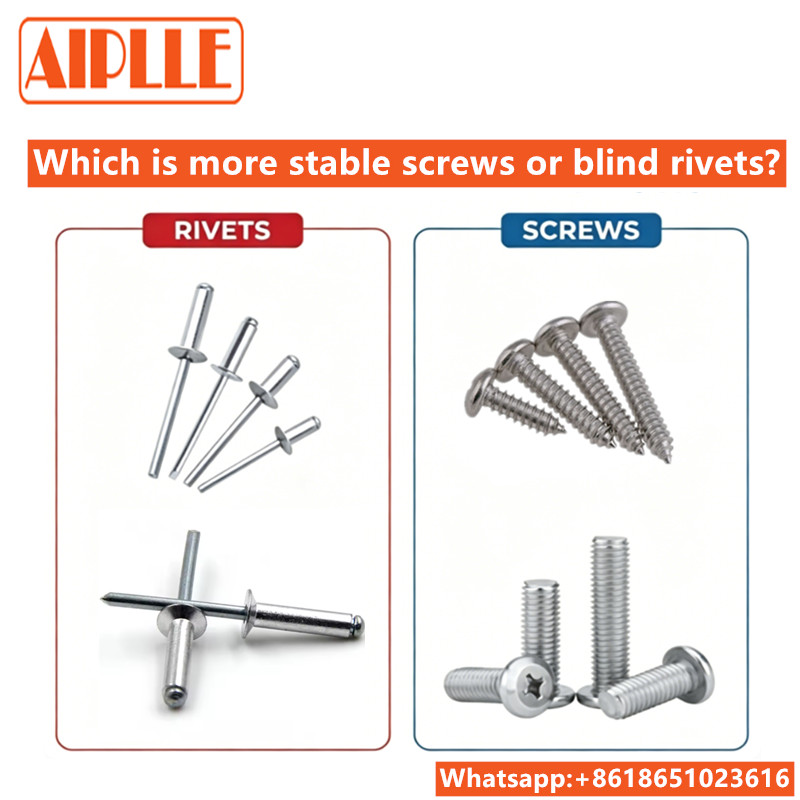
Q: What’s the difference between pop rivets and bolts/screws?
A: Pop rivets create a permanent joint and only require access to one side of the material. Bolts and screws are removable, require access to both sides (for nuts or threading), and may be more complex to install.
Q: Can pop rivets be used on plastic?
A: Yes! Plastic pop rivets are ideal for plastic panels, automotive interior trim, and light-load plastic applications.