


Tri-fold blind rivets Guide & FAQs (How It Works, Removal +&Automotive Applications)
If you’re searching for Tri-fold blind rivets, you’re likely looking for clear, practical answers to how they work, how they differ from other rivets, how to use or remove them, and their specific applications—especially in the Automotive industry. Whether you’re a DIY hobbyist, a professional mechanic, or working in Automotive manufacturing or repair, Below, we’ve compiled the most common questions people ask about Tri-fold blind rivets, answered in detail, with a focus on their critical role in Automotive applications. These rivets are particularly valued in Automotive settings for their ability to fasten delicate components without damage, thanks to their unique load-spreading design.
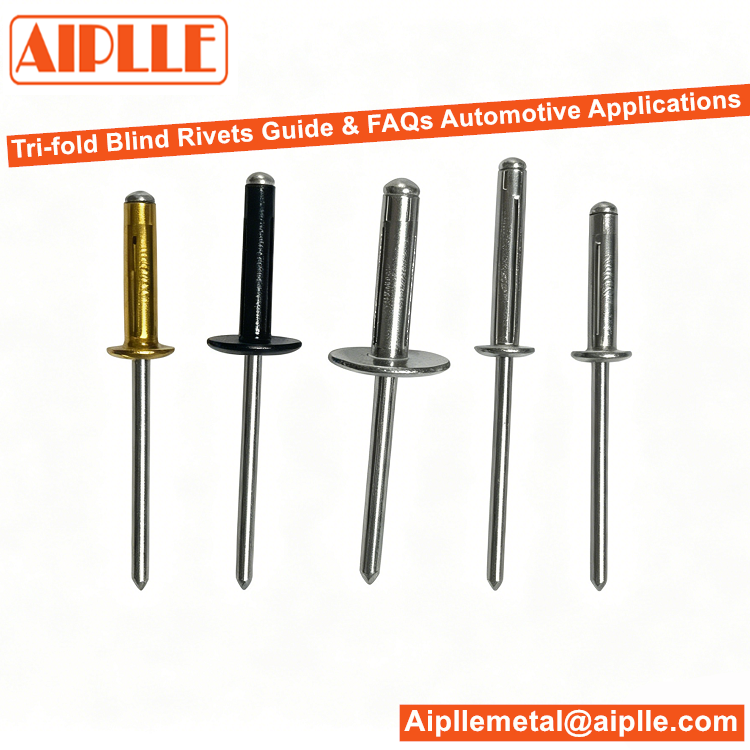
How does a tri fold rivet work? (Tri-fold blind rivets Working Principle)
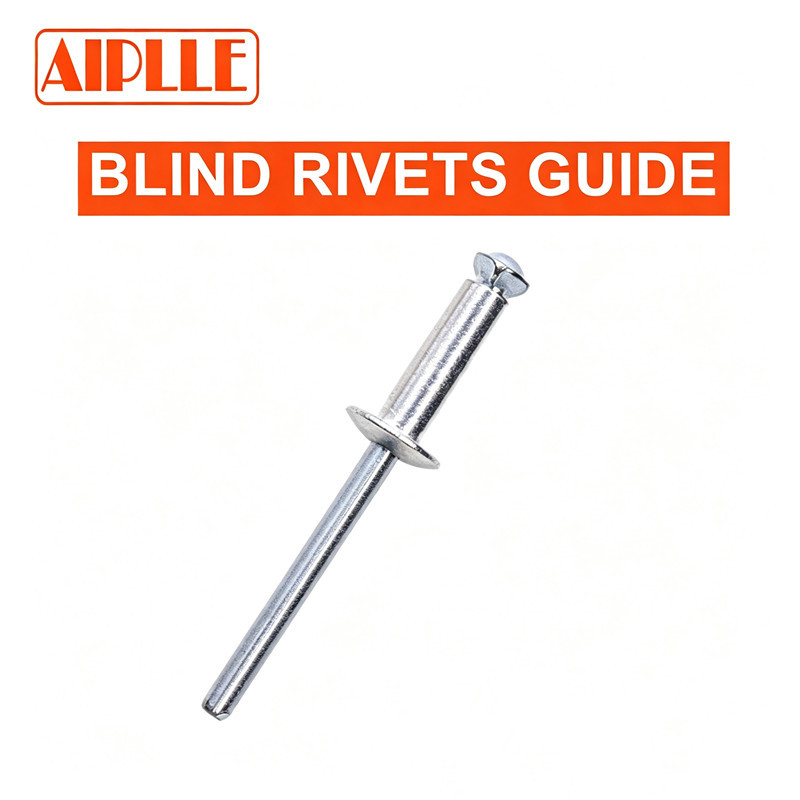
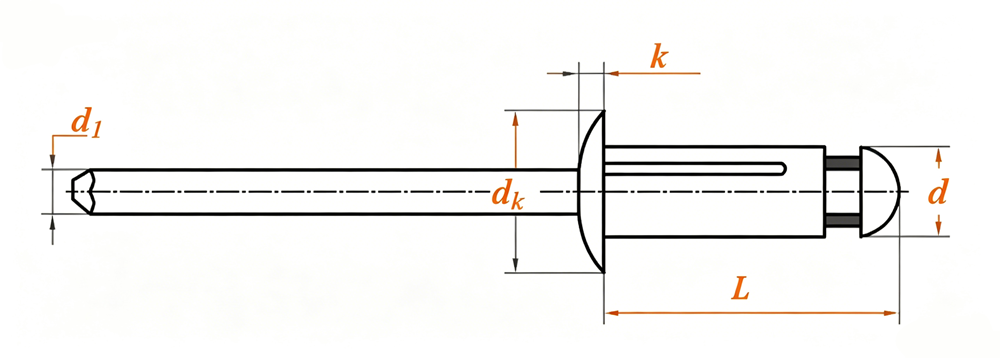
It is called lantern blind rivets-— a common scenario in Automotive manufacturing and repair. Like other blind rivets, it consists of two main parts: a hollow rivet body and a mandrel inserted through the body. Here’s a step-by-step breakdown of how Tri-fold blind rivets work, with a focus on Automotive use cases:
1.Preparation: Drill or punch a properly sized hole.
2.Insertion: Place the tr-fold blind rivet into the hole.
3.Setting the Rivet: Use a blind rivet gun to grip the mandrel and pull it firmly. As the mandrel is retracted.
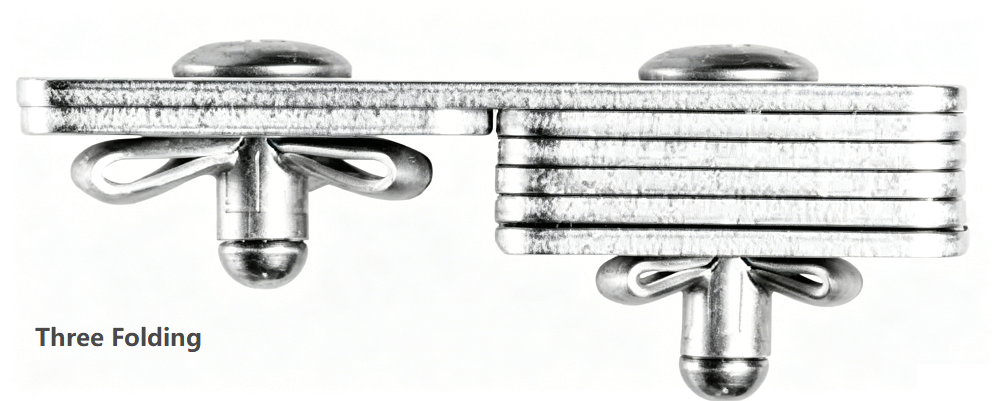
4.Finalization: The mandrel snaps at its pre-designed break point once the legs are fully folded.It form 3 split .
What is the difference between tri fold rivets and regular rivets? (Tri-fold blind rivets vs Regular Rivets)
The key differences between Tri-fold blind rivets and regular rivets lie in their design, installation method, and performance—especially for fragile or soft materials commonly used in the Automotive industry. Here’s a detailed comparison, with a focus on Automotive applications:
Access Requirement: Tri-fold blind rivets only require access to one side of the joint , making them perfect for enclosed Automotive components where the backside is inaccessible. Regular solid rivets require access to both sides, which is often impossible in Automotive assemblies.
Folding Mechanism: Tri-fold blind rivets split into three distinct legs when set, creating a broad load-bearing surface that distributes pressure evenly—ideal for delicate Automotive materials like plastic, fiberglass, or thin sheet metal. Standard blind rivets (like pop rivets) typically fold into a single flange or two legs,
Material Compatibility: Tri-fold blind rivets are ideal for the soft, thin, or fragile materials commonly used in Automotive interiors because their three-legged design reduces the risk of pull-through or material distortion.
Installation Speed: Tri-fold blind rivets are faster to install than regular solid rivets, a critical advantage in Automotive manufacturing or repair shops where efficiency matters. They use a simple rivet gun and don’t require backside access or additional tools.
Strength: For Automotive applications with soft or layered materials , Tri-fold blind rivets offer superior holding power due to their expanded footprint and vibration resistance—key for withstanding vehicle movement. Regular solid rivets may be stronger for heavy-duty Automotive structural components but lack the versatility of tri-fold designs for interior and light-duty applications.
How does a tri fold fold? (Tri-fold blind rivets Folding Mechanism)
Design Precursor: Tri-fold blind rivets are manufactured with three pre-cut slitsat the blind end of the hollow rivet body.
Folding Action: As the mandrel continues to retract, the three split sections fold outward and flatten against the backside of the Automotive material.
Final Form: Once the mandrel snaps off, the three legs remain folded against the blind side. This folding mechanism is what makes Tri-fold blind rivets ideal for Automotive applications, as they spread pressure instead of concentrating it, protecting fragile materials while ensuring a strong joint.
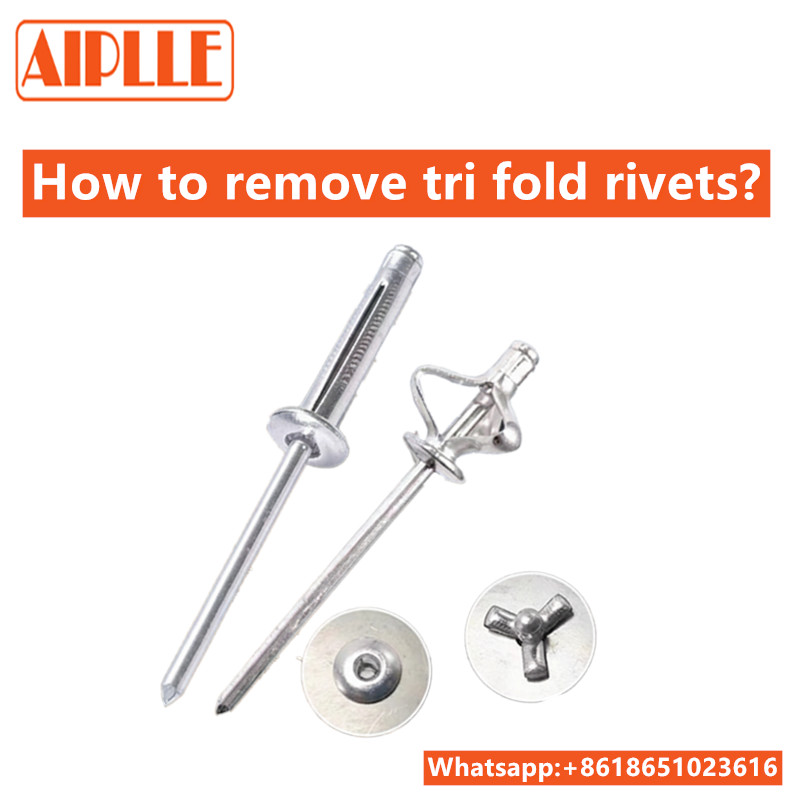
How to remove tri fold rivets? (Step-by-Step Guide for Tri-fold blind rivets Removal)
While Tri-fold blind rivets are designed for permanent fastening—critical for Automotive safety—they can be removed if needed (e.g., for Automotive repairs, part replacement). The key is to avoid damaging the Automotive material or the rivet hole, which can be reused with a new rivet. Here’s a step-by-step guide to removing Tri-fold blind rivets safely, with tips for Automotive applications:
1.Gather Tools: You’ll need a drill with a bit slightly smaller than the rivet’s diameter
2.Displace the Mandrel Fragment: Most Tri-fold blind rivets leave a small fragment of the mandrel inside the rivet body after installation.
3.Drill the Rivet Head: Place the drill bit on the center of the rivet head (guided by the dimple in the head) and drill slowly. The goal is to remove only the rivet head, not the entire body—this prevents damage to the underlying Automotive material (e.g., door panel, trim piece).
4.Pull Off the Head: Once the head is drilled through, use a flathead screwdriver or pliers to pry the head off the rivet body.
Remove the Rivet Body: With the head removed, the folded legs on the blind side will release their grip. You can push the remaining rivet body through the hole from the visible side.
What is a tri fold used for? (Tri-fold blind rivets Applications & Uses)
Here are the most common applications for Tri-fold blind rivets, with a focus on Automotive uses:
1. Automotive Industry (Primary Application):
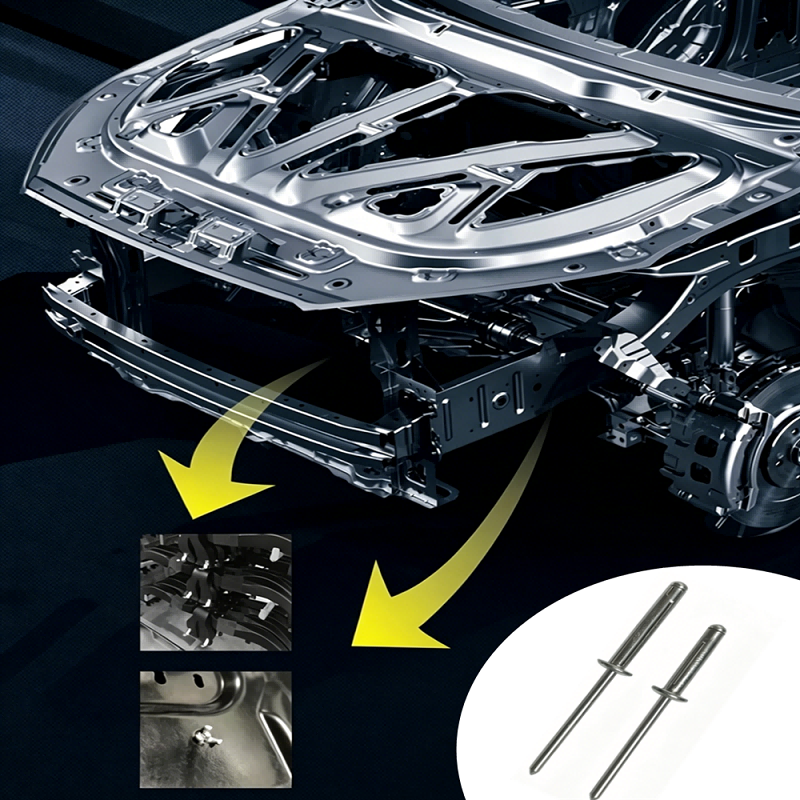
This is one of the most common uses for Tri-fold blind rivets, thanks to their ability to fasten delicate components without damage. Key Automotive applications include:
- Fastening interior panels (door panels, dashboard components, pillar trim) where backside access is impossible.
- Securing trim pieces, upholstery, and carpet brackets— the tri-fold design prevents damage to soft materials like plastic and fabric.
- Attaching lightweight exterior components (e.g., fender trim, bumper covers, side skirts) where a secure, vibration-resistant joint is needed.
- Securing composite components and thin sheet metal in modern vehicles, where traditional rivets would cause distortion.
- Aftermarket modifications (e.g., installing custom trim, body kits) where precision and material protection are critical. Their load-spreading design also makes them ideal for Automotive applications where vibration resistance is key, as they maintain a secure hold even during vehicle movement.
2. HVAC & Construction: Common in ductwork, ventilation systems, drywall, and lightweight metal panels. T
3. Electronics: Used to fasten enclosures, casings, and internal components in sensitive electronic equipment. Their gentle folding action prevents damage to delicate circuit boards or plastic casings.
4. DIY & Home Improvement: Perfect for projects like attaching trim, mounting brackets, or repairing furniture.
5. Industrial Machinery: Used in enclosures, access panels, and lightweight assemblies where vibration resistance is needed.