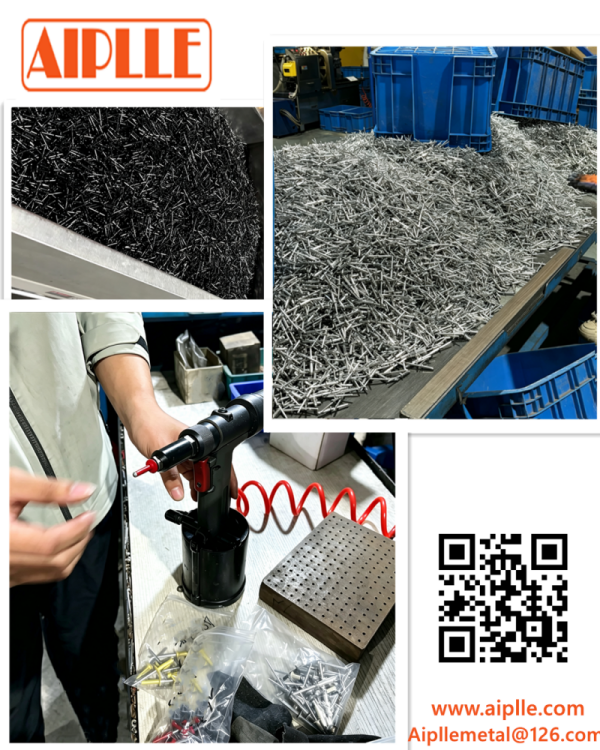
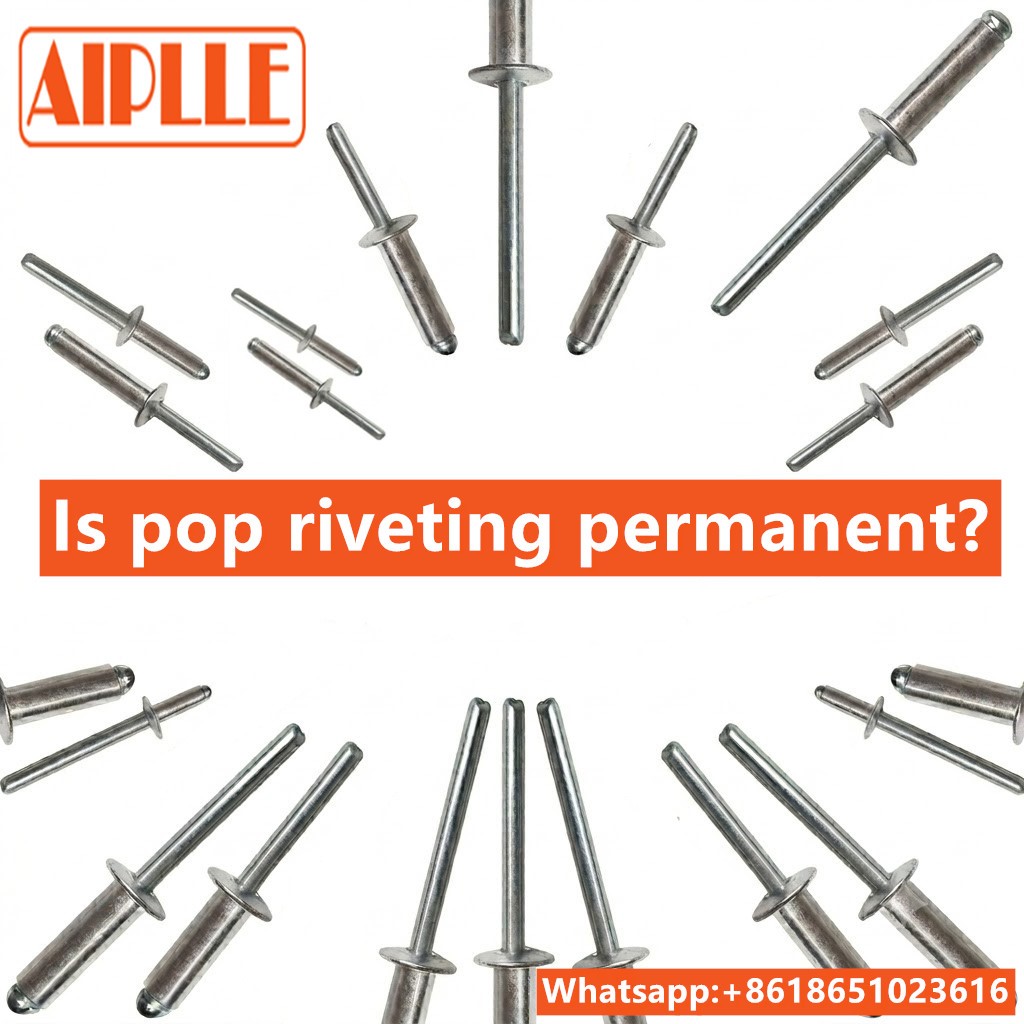
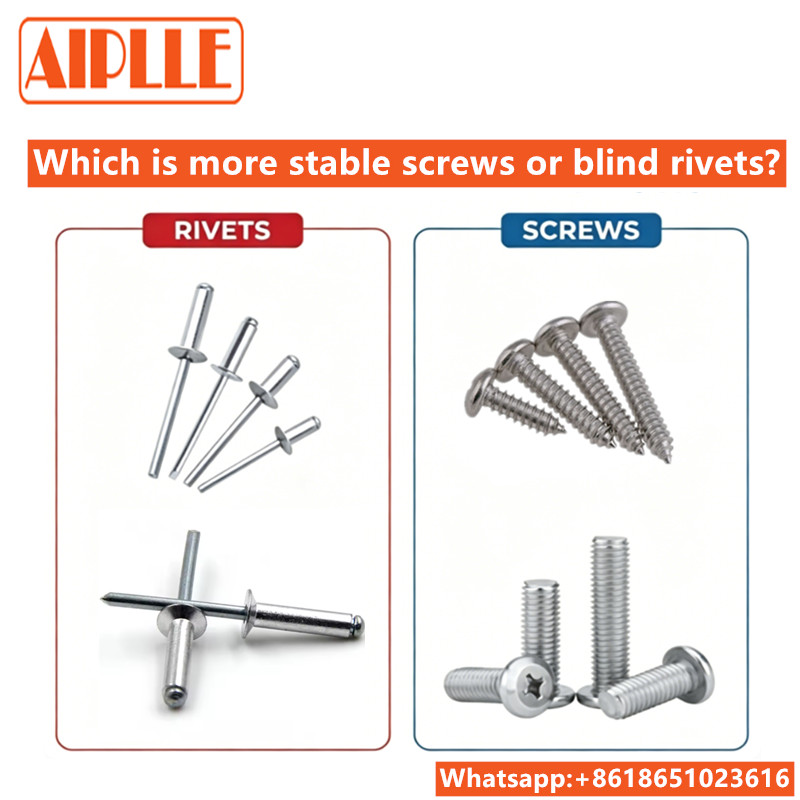
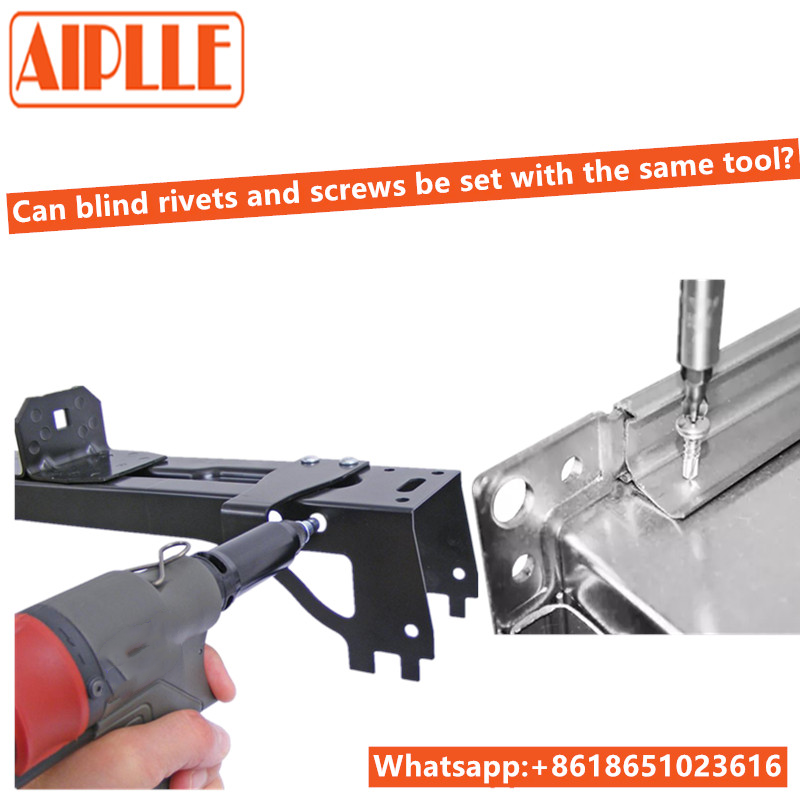
Part2:Production Rivet of Raw Material-Aluminum
-
Specifications and Standards of Aluminum Materials for Rivets
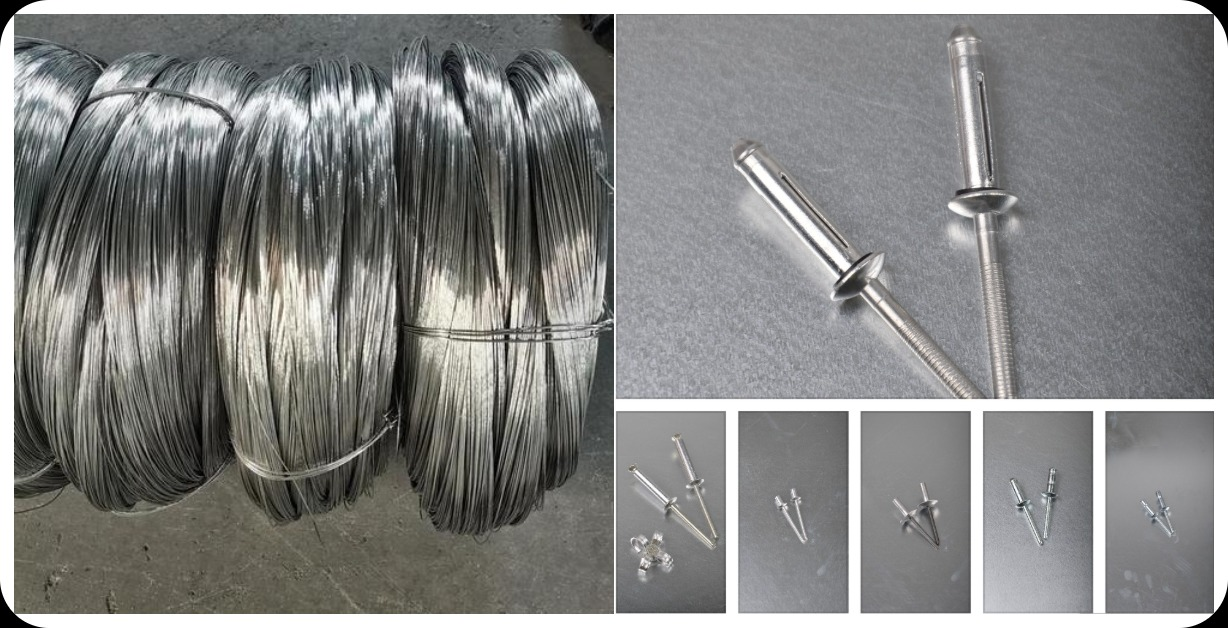
Rivet aluminum materials are mainly supplied in the form of wires and rods, with specifications and standards strictly in line with international and national standards to ensure product consistency and reliability.
3.1 Common Specifications
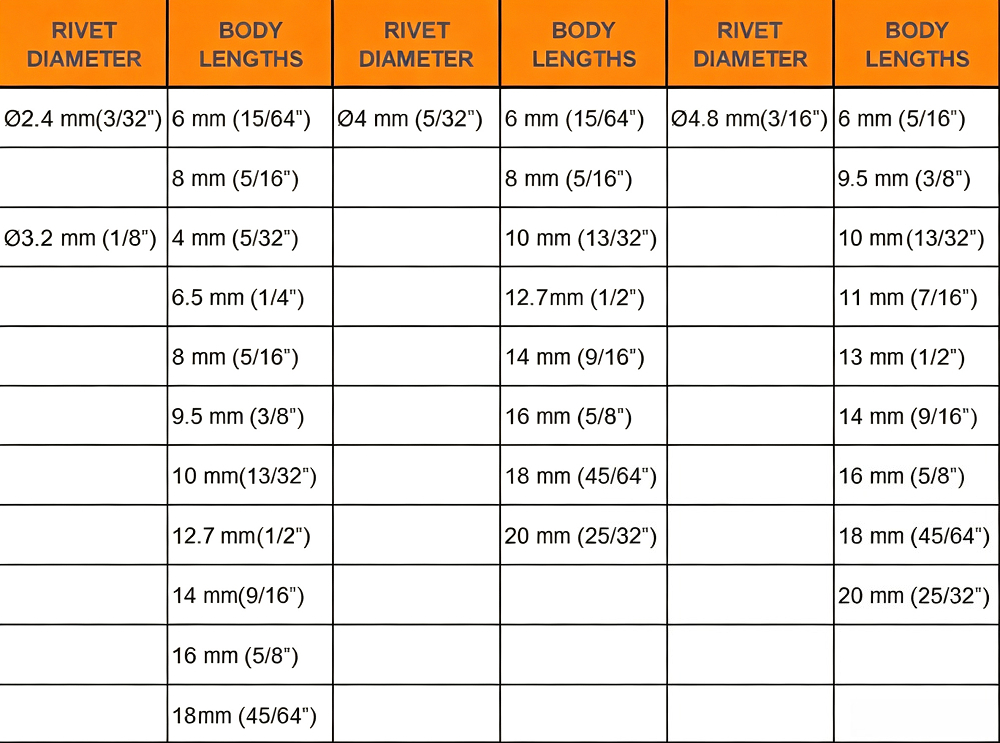
- Wire Diameter: Commonly used specifications are 1.0-8.0mm, which can be customized according to the size of the rivet. For example, the diameter of rivet wires for ordinary blind rivets is 2.4-4.8mm, and the diameter of aviation rivet wires is 3.0-6.0mm (such as rivet wires with diameter ≤6.0mm).
- Rod Diameter: For large-size solid rivets, aluminum rods with a diameter of 8.0-20.0mm are used, which are cut and cold-headed into rivets.
- Length: The length of the wire is usually 1000-5000mm, and the length of the rod can be customized according to requirements.
3.2 Key Standards
- International Standard: ASTM B316/B316M-20, which specifies the requirements for aluminum and aluminum alloy rivet wires and rods suitable for cold heading to manufacture rivets. It covers alloy grades, tempers, mechanical properties, and inspection methods.
- National Standard (China): GB/T 3196-1982 (Aluminum and Aluminum Alloy Wires for Rivets), which specifies the technical requirements, test methods, inspection rules, packaging, and marking of aluminum and aluminum alloy wires for rivets.
-
Selection Guide for Rivet Aluminum Materials
The selection of aluminum materials for rivets should be based on the application scenario, load-bearing requirements, environmental conditions, and processing technology. The following is a practical selection guide:
- Low-Load, Corrosive Environment: Choose anti-rust aluminum alloys (5052, 5056). For example, rivets for rainwater pipes, outdoor light-duty structures, and marine light-duty parts. Their good corrosion resistance and ductility ensure long-term stable use.such as pop blind rivet
- Medium-Load, Ordinary Environment: Choose hard aluminum alloys. For example, rivets for mechanical equipment, automotive body parts, and engine accessories. Their medium strength and good processing performance meet the needs of most industrial riveting.
- High-Load, High-Reliability Requirements: Choose super-hard aluminum alloys . For example, rivets for aviation, aerospace, and high-performance mechanical structures. Their high strength ensures the safety and reliability of load-bearing connections.
- High-Temperature Environment (125-350℃): Choose heat-resistant hard aluminum alloys . For example, rivets for engine accessories and high-temperature mechanical parts. Their heat resistance ensures stable performance at high temperatures.
-
Common Problems and Solutions in the Use of Rivet Aluminum Materials
- Problem 1: Cracking During Cold Heading- Reason: The material's ductility is insufficient, or the cold heading process parameters are improper. Solution: Choose aluminum materials with good cold heading performance , and adjust the cold heading speed and pressure; for high-strength alloys, pre-anneal the material to improve ductility. For example, optimizing the drawing and heat treatment process of corrosion-resistant aluminum alloy rivets can reduce the cold heading cracking rate to below 10ppm.
- Problem 2: Poor Corrosion Resistance- Reason: The wrong material is selected, or the surface anti-corrosion treatment is missing. Solution: Replace with anti-rust aluminum alloys for corrosive environments, or perform surface treatment (anodizing, hot-dip galvanizing) on hard aluminum and super-hard aluminum rivets. Adding rare earth elements (Ce+La) to the alloy can also improve corrosion resistance by reducing impurities and promoting the formation of dense oxide films.
- Problem 3: Insufficient Shear Strength- Reason: The material grade is wrong, or the heat treatment process is not up to standard. Solution: Select aluminum alloys with matching strength (such as LC3 for high-load rivets), and strictly implement the heat treatment process (quenching + aging) to ensure the material's mechanical properties. .
-
Conclusion
The selection of aluminum materials in rivet production is critical to the quality and service life of the rivets. Rust-resistant aluminum alloys, hard aluminum alloys, and ultra-hard aluminum alloys each have their own characteristics and suitable applications. By understanding the mechanical properties, chemical composition, machinability, and relevant standards of these materials, and combining this knowledge with practical application requirements (load, environment, temperature), we can select the most appropriate aluminum material to ensure the reliability and stability of the riveted joint. With the continuous development of the rivet industry, the performance of aluminum materials used in rivets is also being continuously optimized. For example, the development of corrosion-resistant aluminum alloy rivets with low crack rates and high stability will better meet the demands of complex industrial environments.