
Is Pop Riveting Permanent?
Why Pop Riveting Produces Permanent Joints – Core Working Principle
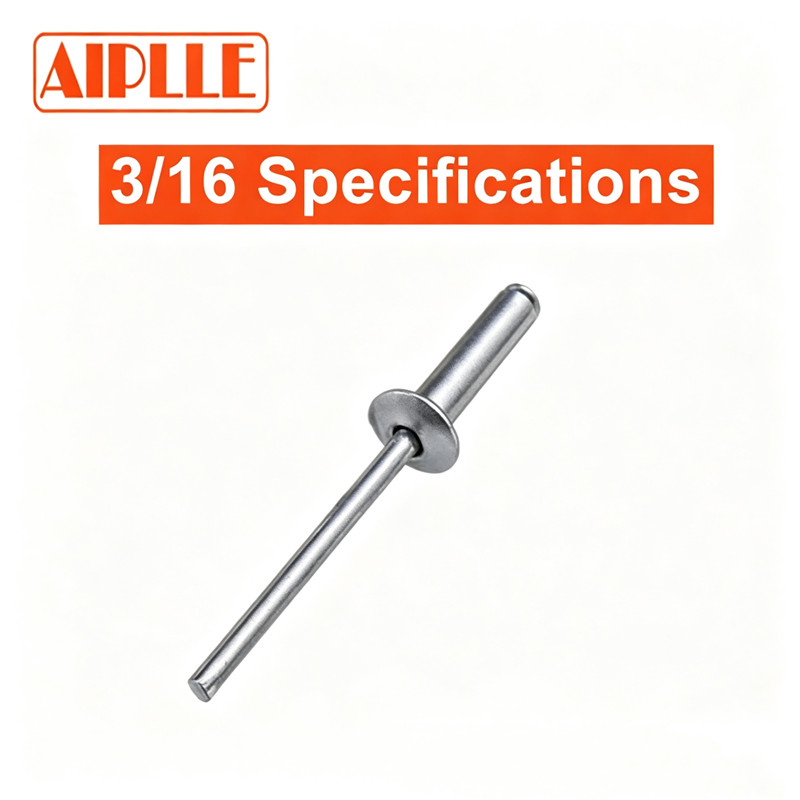
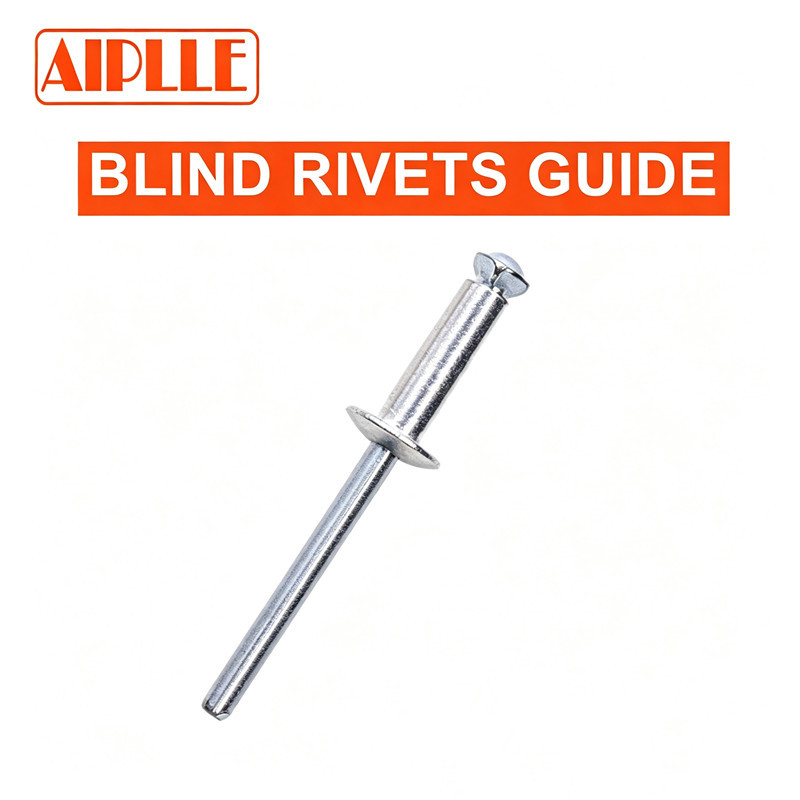
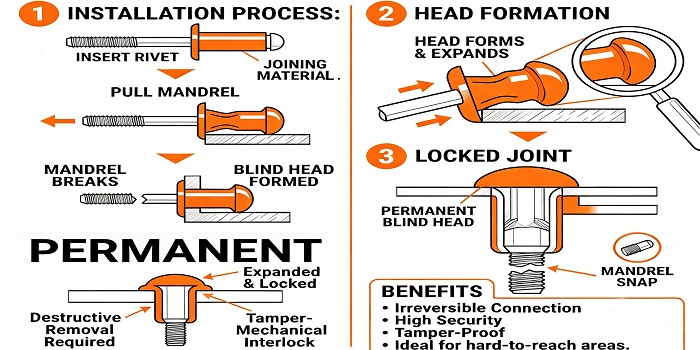
A standard pop rivet has two core components: hollow rivet body and central mandrel. The permanent locking mechanism comes from irreversible plastic deformation during installation, with no way to loosen the joint without destroying the rivet itself.
Insert the pop rivet through pre-drilled holes ;
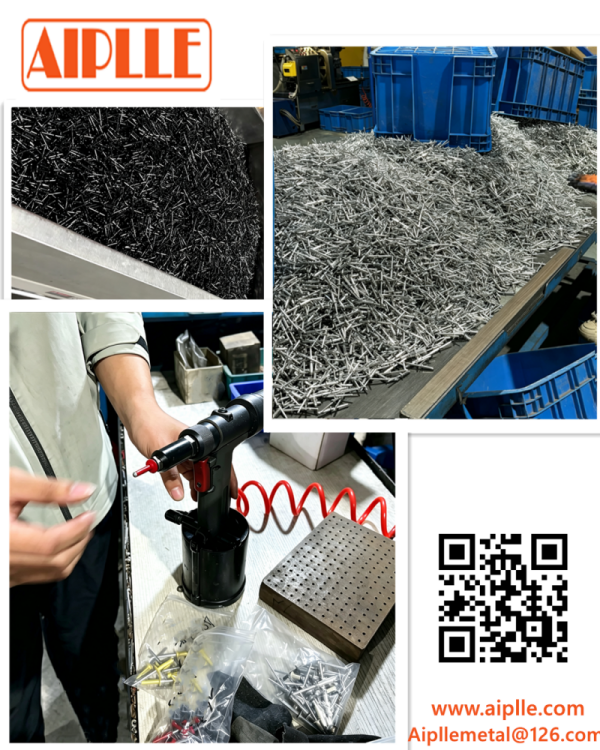
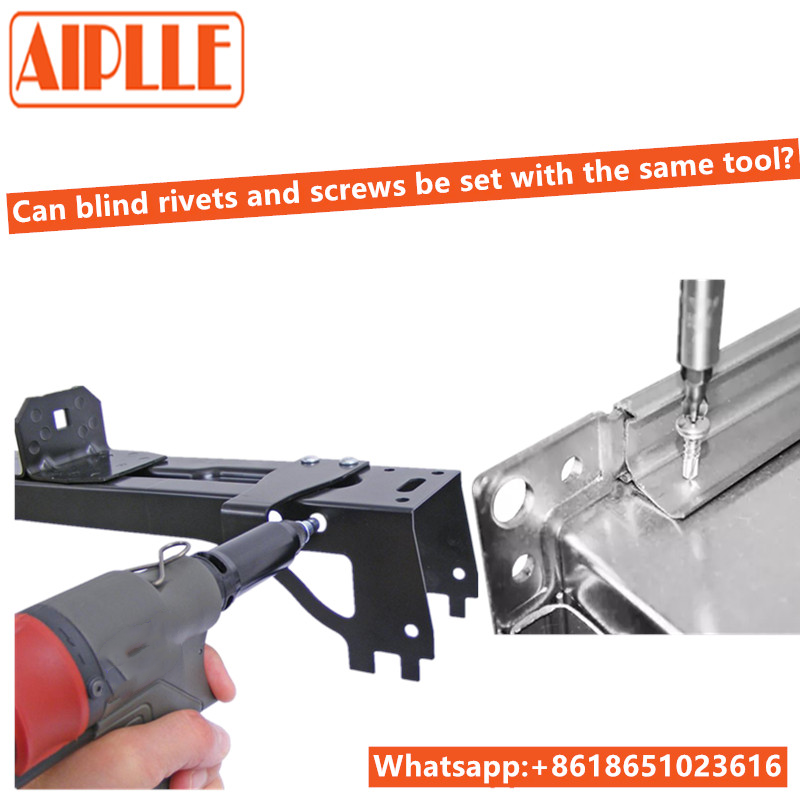
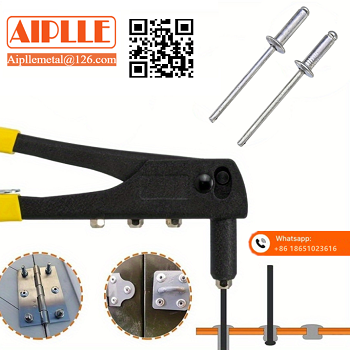
Use manual rivet pliers or electric blind rivet tools to pull the mandrel outward;
The rivet body’s tail expands and bulges tightly against the blind rear side of materials, clamping multiple panels solidly together;
The mandrel snaps cleanly at a pre-scored break point under controlled pulling force.
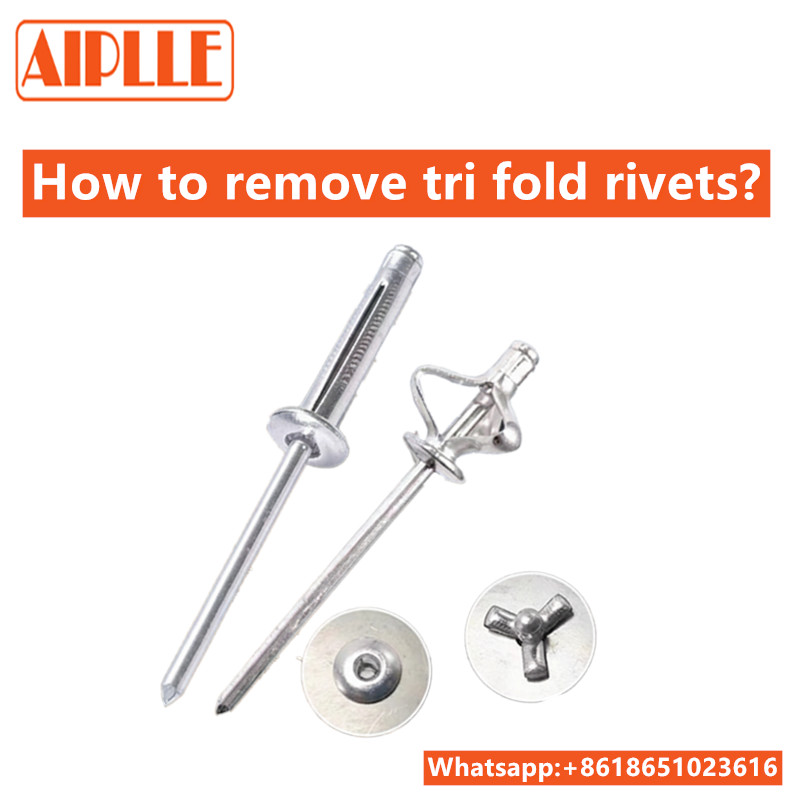
Once the mandrel breaks and the rivet sleeve deforms, the structure cannot return to its original form. pop rivets form a one-time mechanical lock. Any removal requires drilling or grinding away the rivet body, which ruins the fastener and prevents reuse – this is the defining feature of pop riveting’s permanent property.
Core Advantages of Permanent Pop Rivet Connections
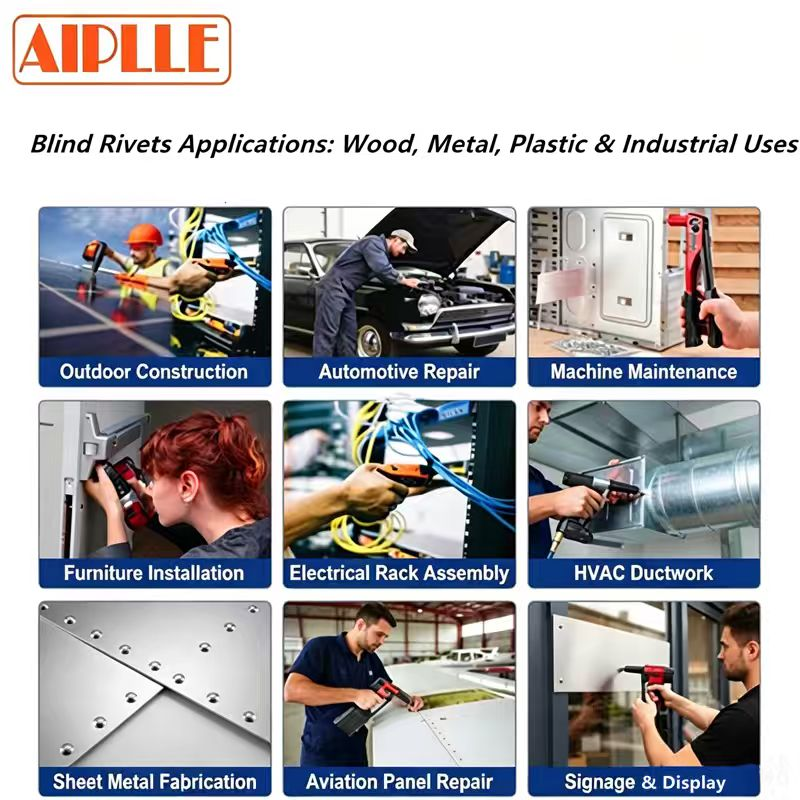
Pop rivets stand out as preferred permanent fasteners across industries
Pop Riveting Permanence vs Other Common Joining Techniques
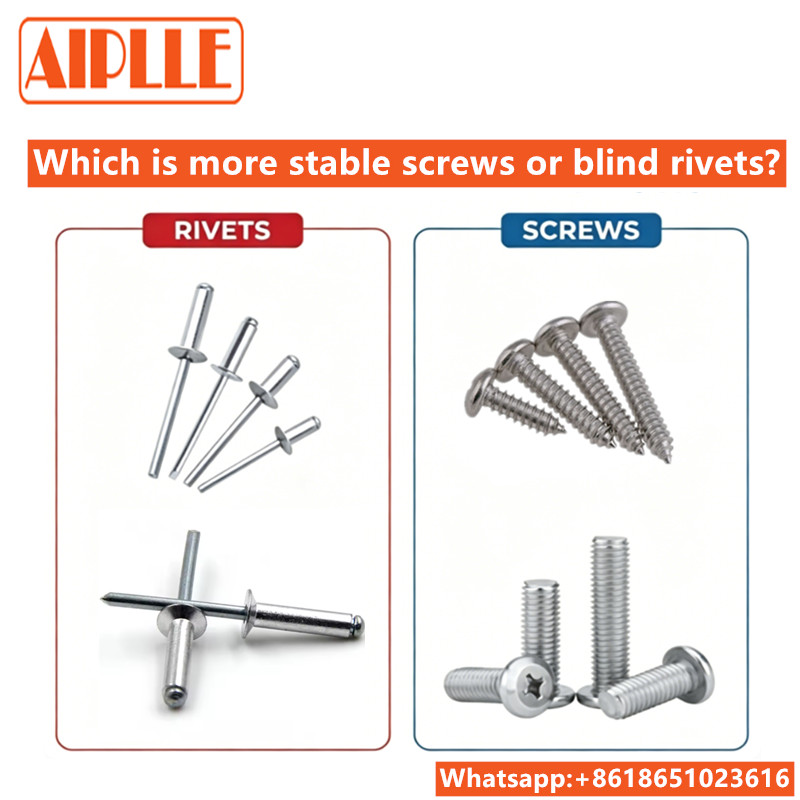
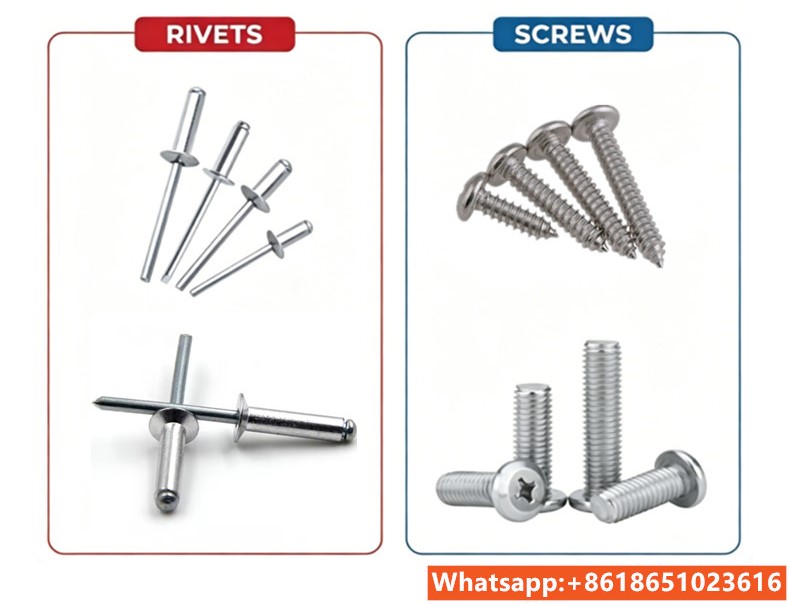
Pop Rivet Permanent Joints vs Screws & Bolts
1.Permanence & reusability
Screws rely on threads and can be repeatedly assembled and disassembled as removable fasteners. Pop rivets form one‑way permanent locks; once installed, they cannot be reused.
2.Vibration resistance & hardware overhead
Screws need nuts, washers and tapped holes, and are prone to loosening under continuous vibration. Pop rivets use only a single component, and their deformed sleeve maintains stable long-term clamping force on dynamic equipment.
3.Anti-tampering feature
Screw heads can be simply unscrewed for maintenance. Pop rivet joints require destructive drilling to take apart, making them ideal for security-focused enclosures.
Pop Rivet Permanent Joints vs Welding
1.Surface & material compatibility
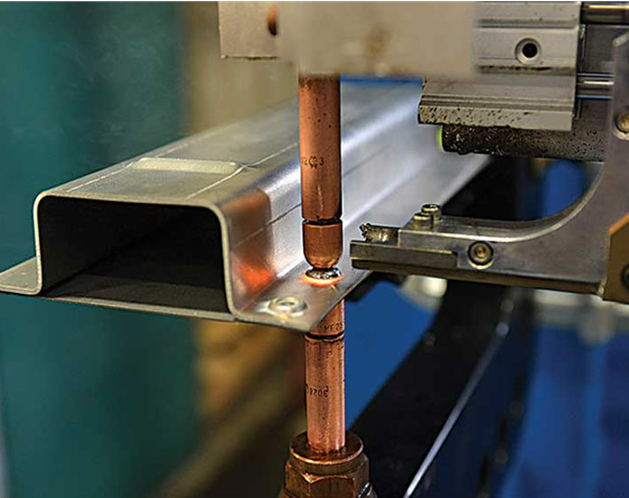
Welding generates high heat that warps thin sheets, damages paint and coatings, and only joins similar metals. Pop riveting is a cold fastening method,
2.Assembly & post-work efficiency
Welding requires two-sided workpiece access for heavy-duty joints and needs grinding, rust treatment and repainting afterwards. Pop rivets only need front-side access and produce flush joints ready for immediate use with no extra post-processing.
Conclusion:When Is Pop Riveting the Right Choice for Permanent Fastening?
Pop riveting is your optimal permanent joining solution if all or most of these conditions apply to your project:
Single-sided workpiece accessonly