


How to Use Blind Rivets with a Rivet Gun?
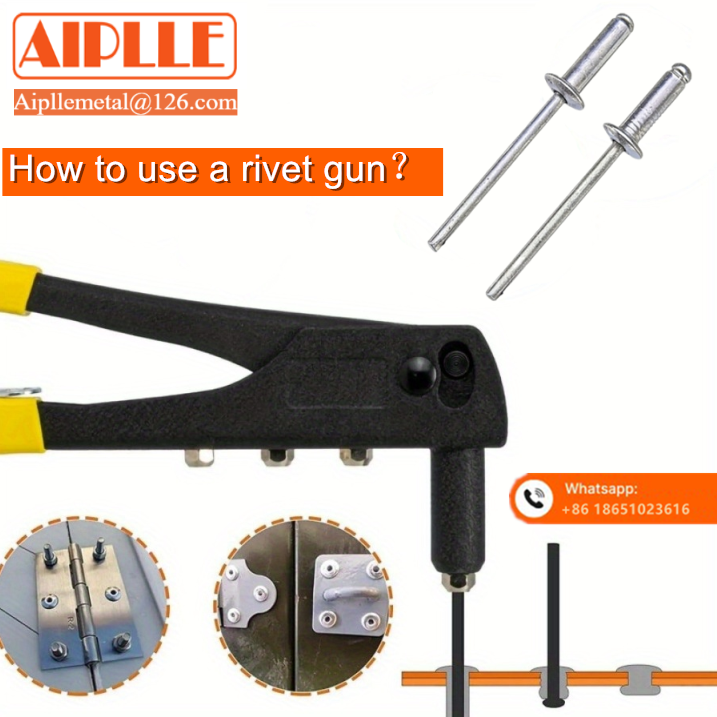
Common Blind Rivet Sizes for DIY Home Renovation
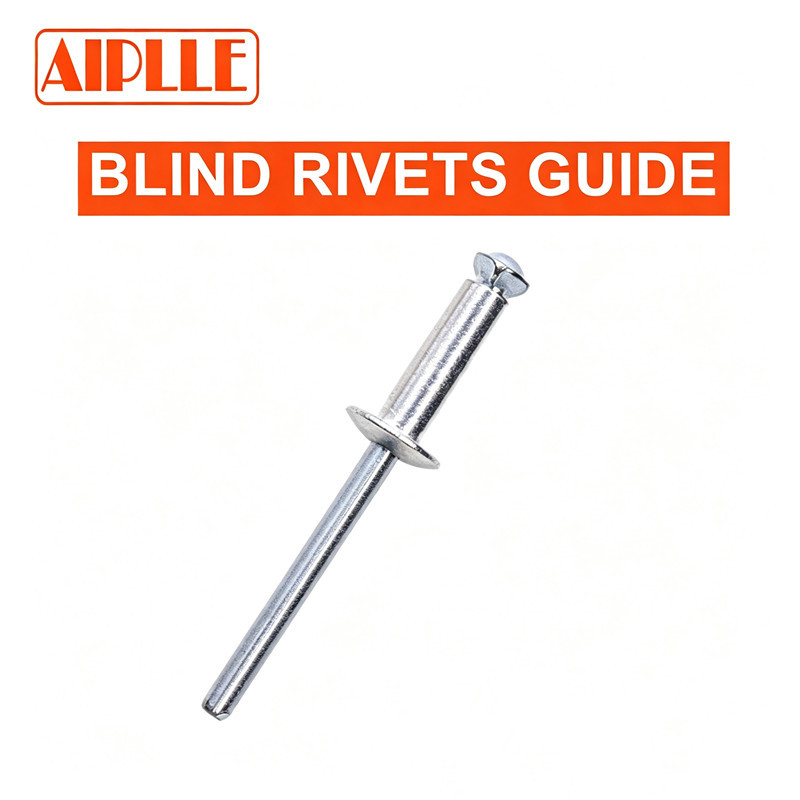
we produce blind rivets in the most popular sizes for DIY use, converted from metric to imperial (the standard measurement for DIY enthusiasts in North America and many other regions). Below are the key sizes you’ll need for daily DIY home renovation, along with their typical uses and compatible materials:
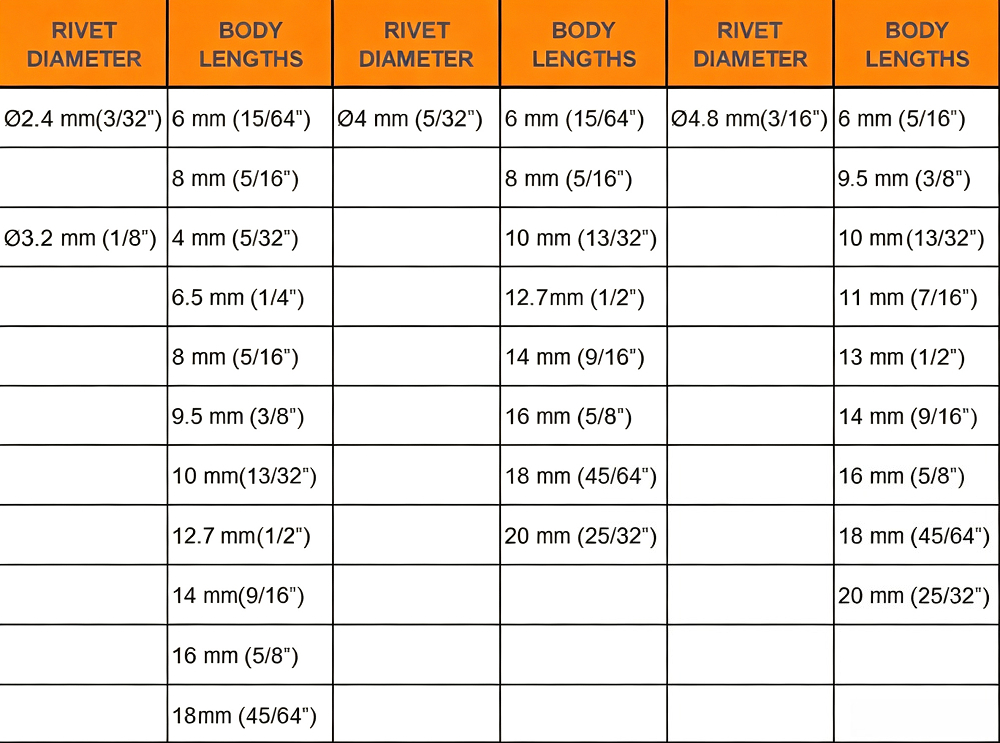
- 3/32” (2.4mm) Blind Rivet: The smallest size in our DIY , perfect for light-duty projects. Ideal for joining thin materials like sheet metal (for decorative wall art), plastic trim, or lightweight wood (such as craft shelves). This size works well with small handheld rivet guns and is great for delicate projects where you don’t want to damage the material. Common uses include installing decorative metal accents, repairing small outdoor furniture, or securing lightweight brackets.
- 1/8” (3.2mm) Blind Rivet: The most versatile size for DIY home renovation—this is the go-to size for most everyday projects. Suitable for joining medium-thin materials like aluminum siding, gutter brackets, wooden shelves, and metal frames. It offers a balance of strength and ease of use, making it perfect for tasks like installing a new coat rack, repairing a metal fence panel, or securing wall-mounted organizers. This size is compatible with most standard handheld rivet guns and is a staple in any DIY toolbox.
- 5/32” (4.0mm) Blind Rivet: A step up in strength, ideal for medium-duty DIY projects. Use this size for joining thicker materials like heavy sheet metal, wooden beams, or outdoor furniture frames. It’s perfect for tasks like repairing a patio chair, installing metal brackets for a garden trellis, or securing HVAC ductwork (a common DIY home improvement task). This size provides extra holding power without being too difficult to install with a standard rivet gun.
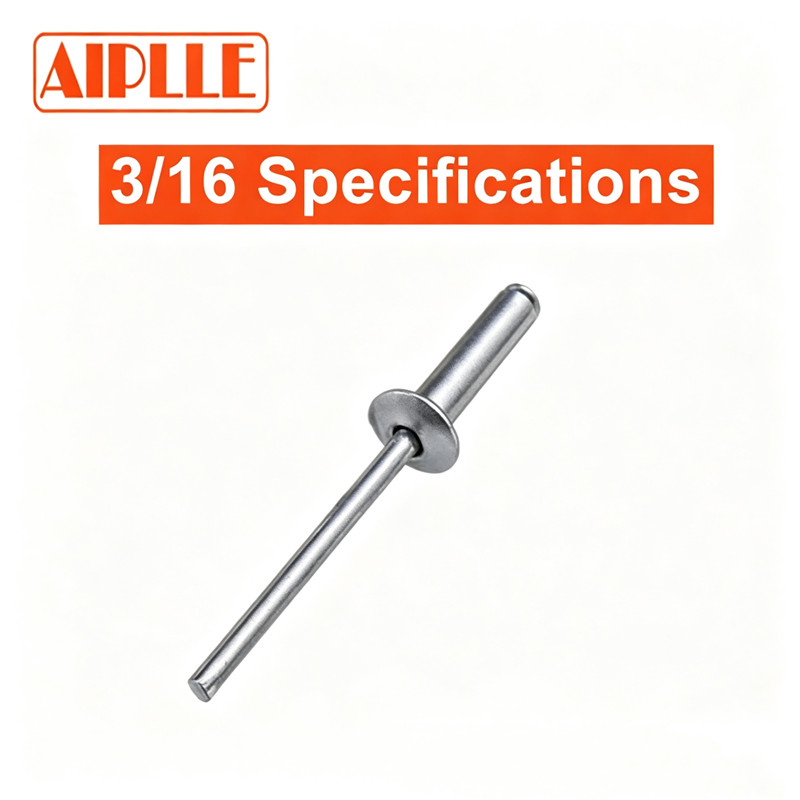
- 3/16” (4.8mm) Blind Rivet: Great for heavy-duty DIY projects that require extra strength. Suitable for joining thick metal sheets, structural brackets, or outdoor equipment (like a metal shed or playground set). This size is often used for repairing garage doors, installing heavy-duty shelves, or securing metal frames to concrete walls. It works best with a heavy-duty handheld rivet gun (manual or electric) and is designed to handle more weight and stress.
- 1/4” (6.4mm) Blind Rivet: The largest size for DIY home renovation, reserved for the heaviest tasks. Ideal for structural projects like building a metal workbench, installing a metal gate, or repairing heavy outdoor machinery. This size requires a powerful rivet gun (electric or pneumatic) but delivers maximum holding power, making it perfect for projects that need to withstand heavy loads or harsh weather conditions. It’s also commonly used for joining thick wood and metal together in outdoor structures.
Step-by-Step Guide: Using a Rivet Gun with Blind Rivets for DIY Projects
Using a blind rivet with a rivet gun is straightforward—follow these steps to get a perfect joint every time, whether you’re a beginner or an experienced DIYer:
-
Gather Your Tools
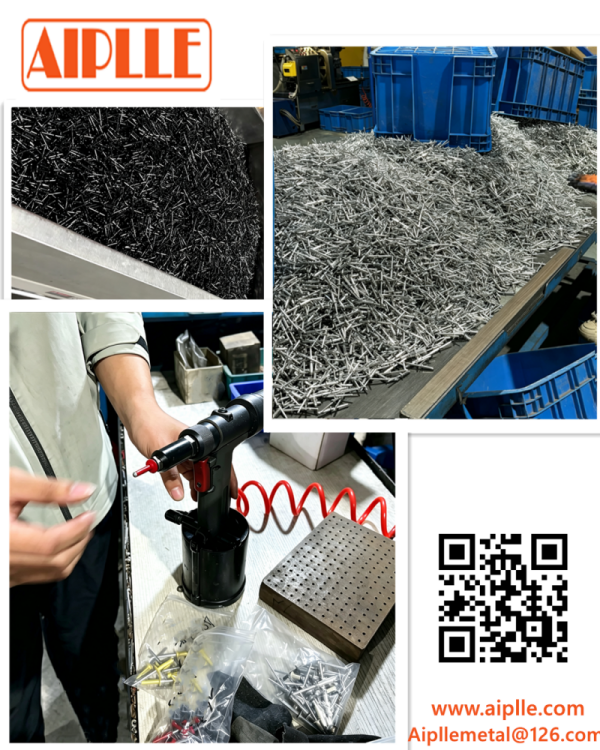
You’ll need a rivet gun (manual, electric, or pneumatic), the correct size BLIND RIVETfor your project, a drill (with a bit matching the rivet size), safety glasses, and a clamp (to hold materials together). For most DIY projects, a manual rivet gun is sufficient—electric or pneumatic guns are better for heavy-duty tasks or large projects. -
Prepare the Materials
Mark the spot where you want to install the rivet, then drill a hole through both materials you’re joining. The hole size should match the diameter of the blind rivet (e.g., a 1/8” rivet requires a 1/8” drill bit). Make sure the hole is clean and free of debris to ensure a tight fit. -
Load the Rivet Gun
Insert the blind rivet into the nozzle of the rivet gun, with the mandrel (the thin metal pin) facing outward (away from the gun’s handle). Ensure the rivet is seated securely in the nozzle—this will prevent it from falling out during installation. -
Position the Rivet
Insert the rivet into the drilled hole, making sure the head of the rivet is flush against the surface of the material. Use a clamp to hold the two materials together tightly—this ensures the joint is secure and prevents gaps. -
Set the Rivet
Squeeze the rivet gun’s handle firmly (or press the trigger if using an electric/pneumatic gun) until you hear a “pop”—this means the mandrel has broken off, and the rivet has expanded to form a tight bond on the backside of the material. Release the handle and remove the broken mandrel from the gun. -
Inspect the Joint
Check that the rivet is flush with the material surface and that the joint is tight. If the rivet is loose or the mandrel didn’t break cleanly, remove the rivet and try again with a new one. For best results, practice on a scrap piece of material before working on your actual project.
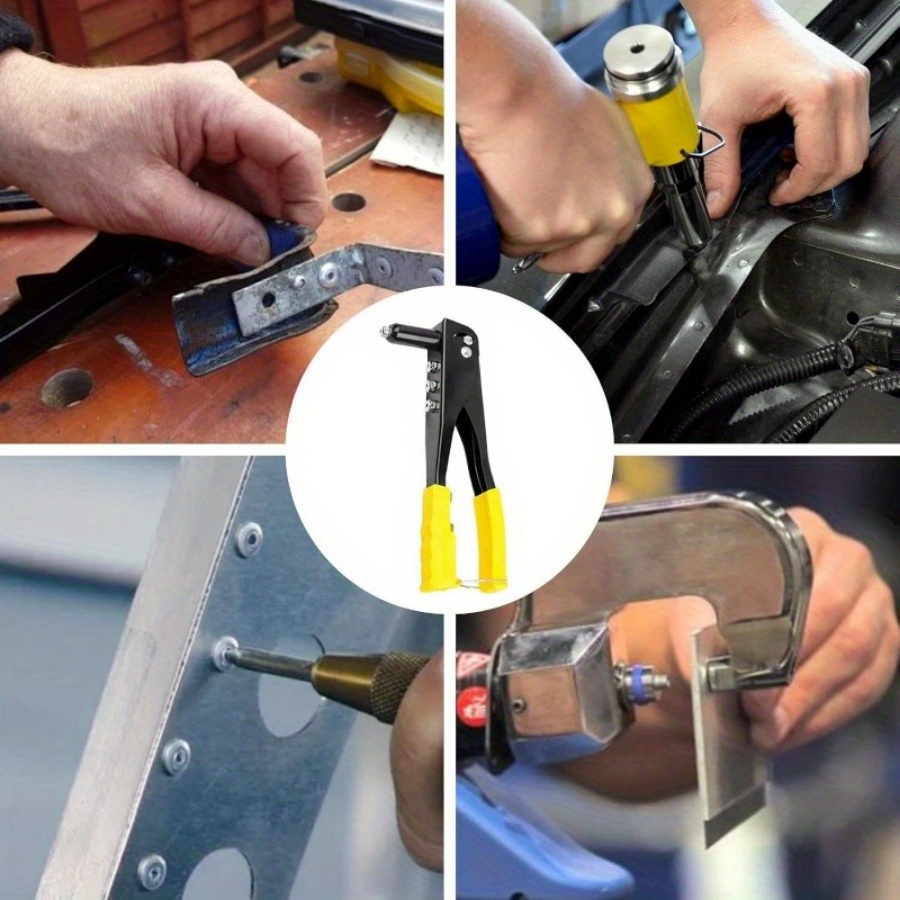
Suggestion for Using Blind Rivets in DIY Home Renovation
To ensure your DIY projects look professional and last for years, follow these expert tips from our team of blind rivet manufacturers:
- Choose the right size rivet: Always match the blind rivet size to the thickness of the materials you’re joining. Using a rivet that’s too small will result in a weak joint, while a rivet that’s too large may damage the material. Refer to the grip range guide to select the perfect fit—your measured material thickness should fall in the middle of the rivet’s grip range for best results.
- Use the right rivet material: For outdoor projects or areas exposed to moisture, choose stainless steel or aluminum blind rivets (corrosion-resistant). For indoor projects, standard steel rivets are sufficient. Closed-type blind rivets are ideal for outdoor use as they are waterproof and dustproof.
- Don’t over-tighten: Squeezing the rivet gun too hard can damage the material or break the rivet. Stop squeezing as soon as you hear the mandrel pop—this is the sweet spot for a secure joint.
- Store rivets properly: Keep your blind rivets in a dry, cool place to prevent rust or corrosion. As a professional factory, we package our rivets in moisture-resistant containers to ensure they stay in perfect condition until use.
FAQs
- Can I use blind rivets on wood?
Yes. Blind rivets work well on wood, especially when joining wood to metal (e.g., securing a metal bracket to a wooden shelf). For best results, use a slightly larger rivet size and pre-drill the hole to prevent the wood from splitting.
- Do I need a special rivet gun for different blind rivet sizes?
Most manual rivet guns come with interchangeable nozzles to fit different sizes (3/32” to 1/4”). Electric and pneumatic guns may require specific nozzles, but most are compatible with the standard DIY sizes we’ve listed.
- Are blind rivets permanent?
Yes—blind rivets create a permanent joint that cannot be removed without damaging the material. This makes them perfect for projects where you want a secure, long-lasting hold (e.g., outdoor furniture, structural brackets).
Why Choose AIPLLE METAL’s Blind Rivets for Your DIY Projects?
We offer all the standard sizes you need (3/32”, 1/8”, 5/32”, 3/16”, 1/4”) with different material and type and test every batch to ensure consistent performance.
Ready to start your next DIY home renovation project with confidence? Choose the right BLIND RIVET size, grab your rivet gun, and follow our guide—you’ll be amazed at how simple and effective blind rivets can be. For more tips or to learn about our full range of blind rivets, contact our team today