



How to Install Blind Rivet?
What You’ll Need for Blind Rivet Installation
Here’s go-to list .
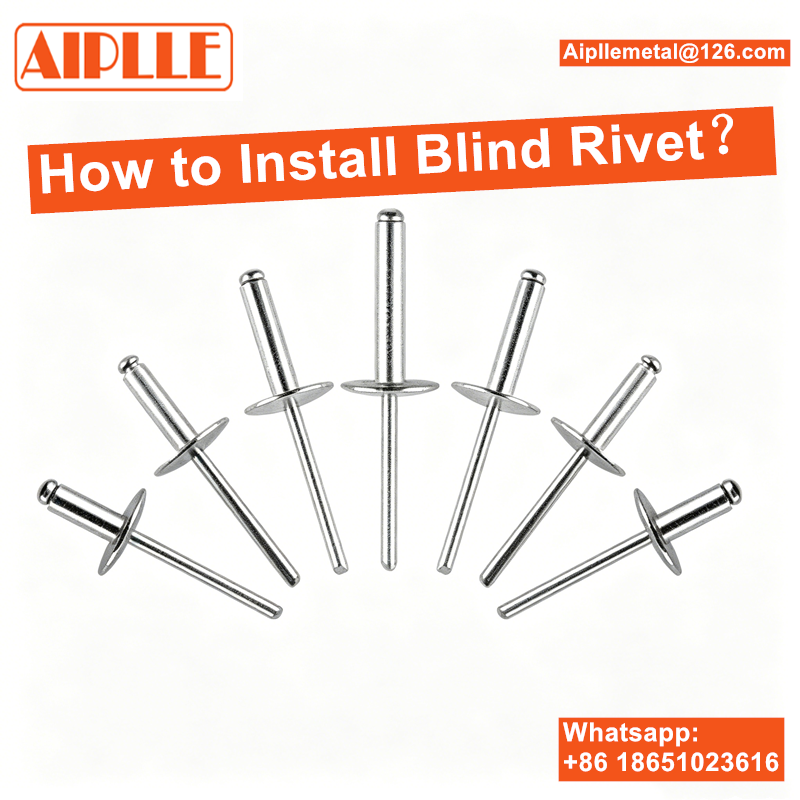
Blind rivets (match the size to your project—measure the thickness of the materials you’re joining first)
Blind rivet tool (also called a blind rivet installation tool)—I prefer a manual one for small projects, but there are electric and pneumatic blind rivet tools too
Drill and drill bits (for drilling rivets—more on sizing later!)
Hammer (for hammered rivets, or to tap the drill bit if it gets stuck)
Measuring tape or ruler (to check material thickness and rivet length)
Step 1: Prep the Materials (and Drill the Right Hole)
1.Mark the spot where you want the rivet (use a pencil—easy to erase if you mess up).
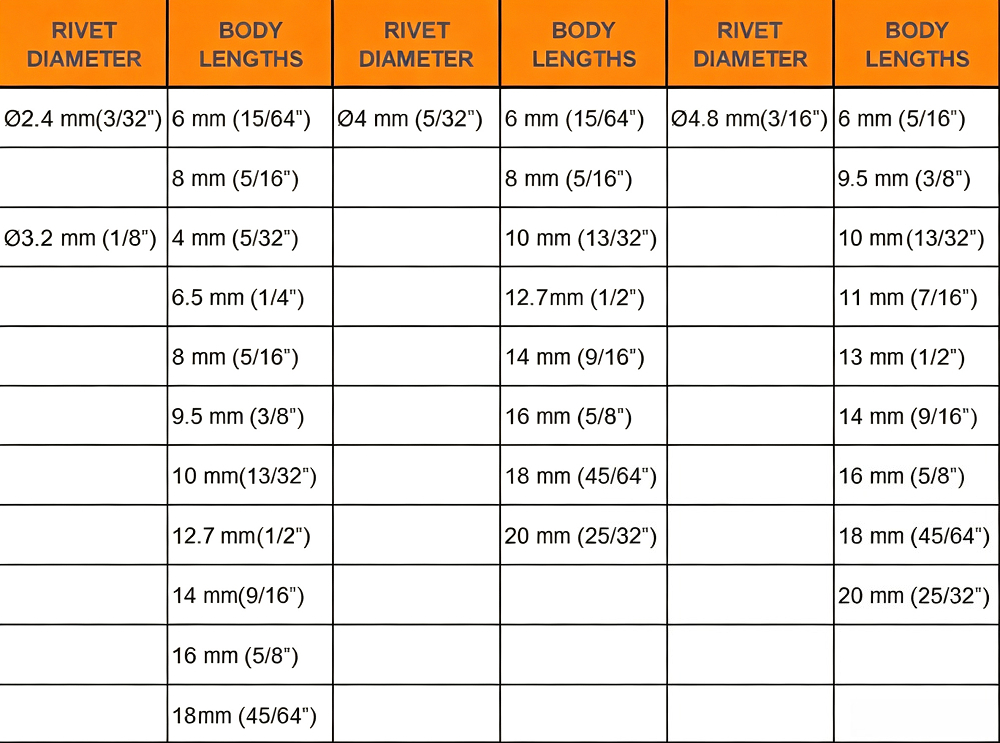
2.Choose a drill bit that’s the same size as the blind rivet’s body (not the mandrel, the metal tube part). For example, if you’re using a 1/8-inch blind rivet, use a 1/8-inch drill bit. I always check the rivet package for recommendations—some brands list the exact drill bit size, which saves guesswork).
3.Put on your safety glasses, clamp the materials together tightly (so they don’t shift while drilling), and drill straight through both pieces. Go slow—no need to rush! If you drill at an angle, the rivet won’t sit right.
4.Quick note about hammered rivets: These are a type of blind rivet that’s installed with a hammer instead of a blind rivet tool. They’re great for quick, light-duty jobs (like attaching nameplates), but they need the same properly drilled hole as regular blind rivets.
Step 2: Choose the Right Blind Rivet Tool
Not all blind rivet tools are the same, and picking the right one will make your life so much easier. Let’s break down the options (from a DIYer’s perspective):
Manual blind rivet tool: The most common for beginners. It’s handheld.
Pneumatic blind rivet tool: Uses compressed air to pull the mandrel.
Electric blind rivet tool: Battery-powered, so it’s portable and easy to use. Perfect if you don’t have access to an air compressor but need more power than a manual tool.
Riveting machines are another option, but they’re more for industrial use or huge projects. For most home DIYers, a manual or electric blind rivet tool is all you need.
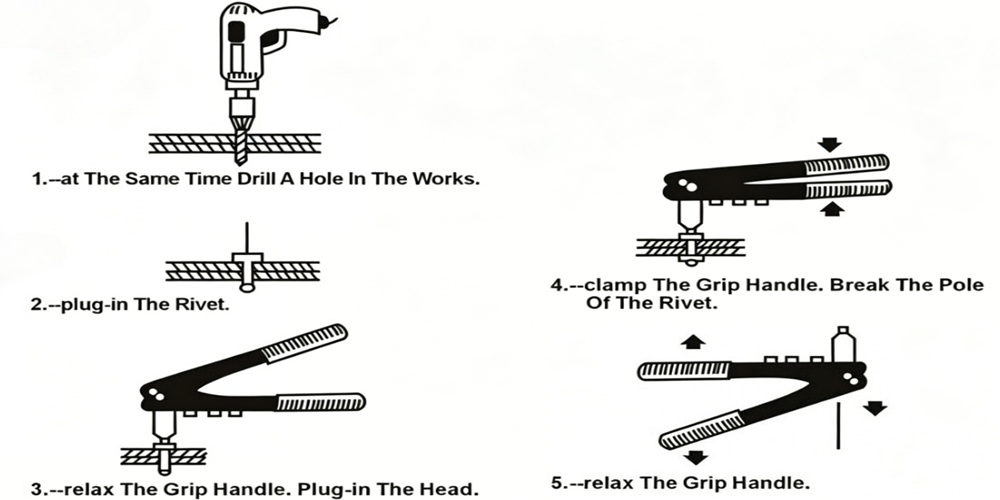
Step 3: Install the Blind Rivet
Follow these steps, and you’ll get it right every time:
1.Insert the blind rivet into the pre-drilled hole. Make sure the rivet’s head is flush against the material.
2.Take your blind rivet tool and place the nozzle over the mandrel.
3.The rivet’s body has expanded on the back side to hold the materials together.
3.Release the tool, pull it away, and discard the broken mandrel.
You just complete a blind rivet installation.
Finish Installation.
Follow above steps,You can install blnid rivet well .For more rivet DIY work ,you can visit our Applicaiton