


Blind Rivet Installation: Tools, Steps & How to Remove Pop Rivets
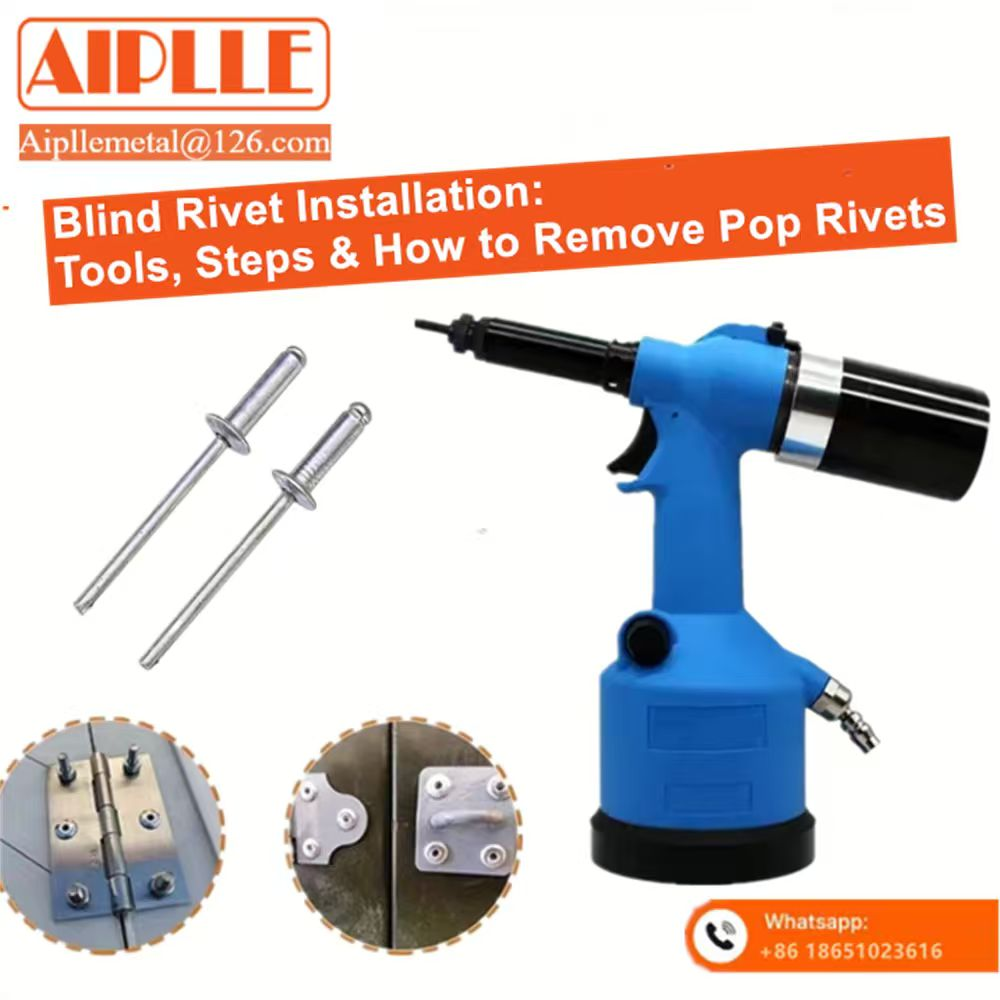
Getting blind rivet installation right is crucial if you want a secure, long-lasting connection. Knowing the ins and outs of the installation process, choosing the right tools, and even how to remove pop rivets when needed will save you time, frustration, and ensure your work holds up. In this guide, we’ll break down everything you need to know, from picking the best tools for the job to fixing common hiccups along the way.
First, let’s go over the must-have blind rivet tools you’ll need to get the job done right:
Blind Rivet Installation Tool|How is a blind rivet installed?
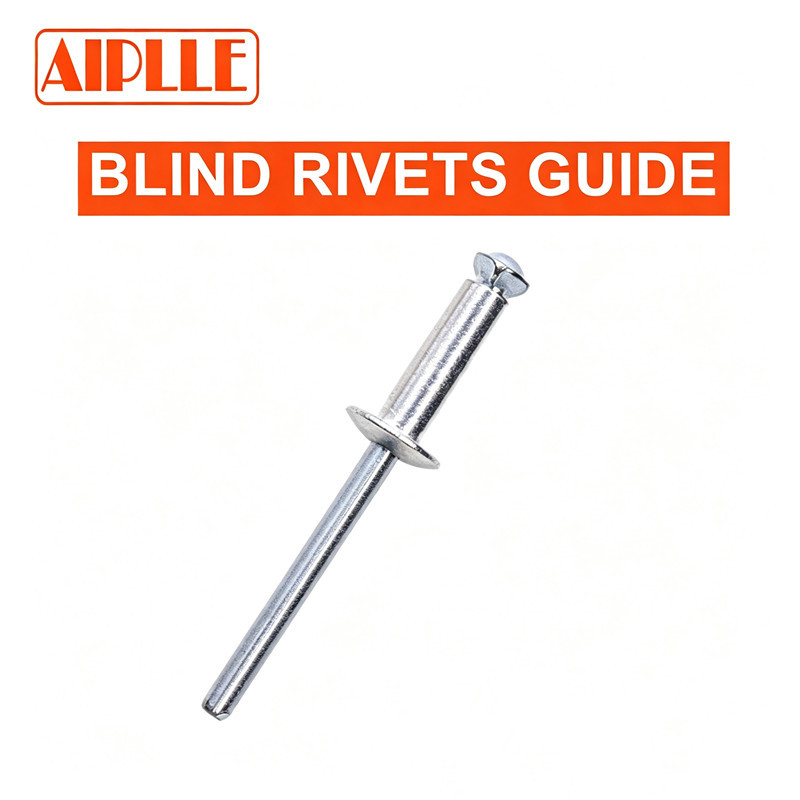
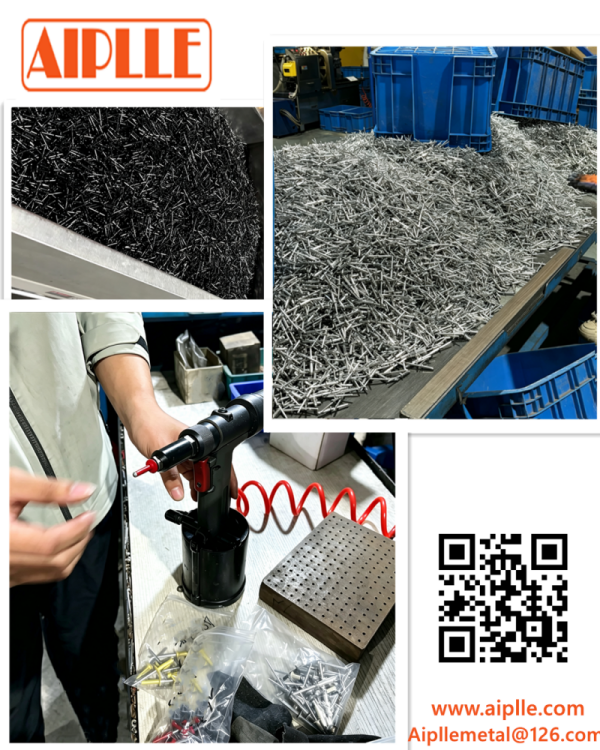
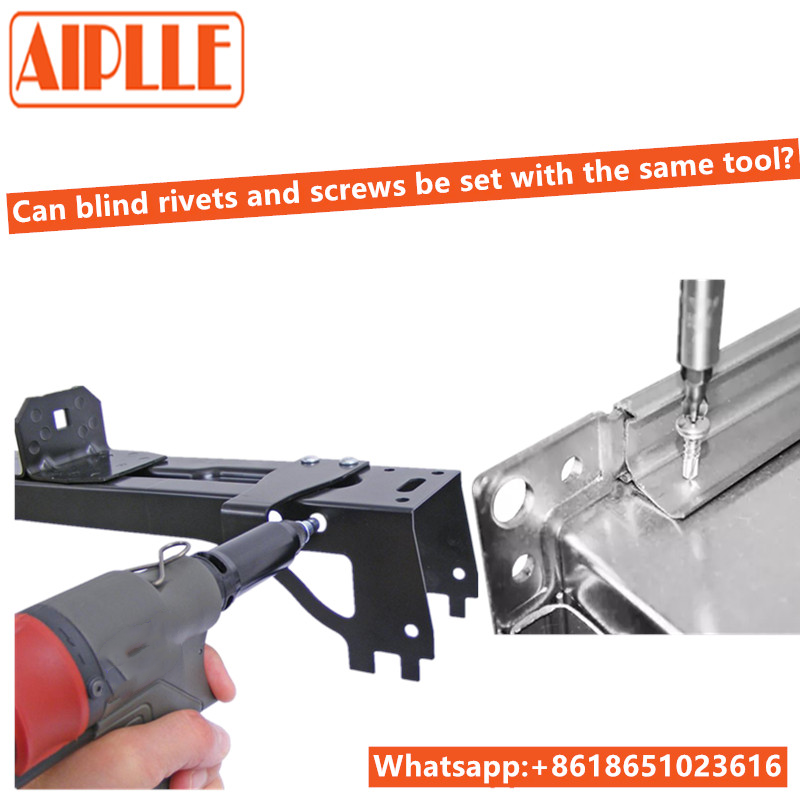
Also called a blind rivet tool or pop rivet gun, this is the workhorse of any riveting project. Its job is to pull the mandrel (the thin metal rod inside the rivet) tight, which expands the rivet’s body to lock two materials together. You’ll find three main types: manual tools are perfect for small DIY jobs or occasional use—they’re lightweight and easy to handle. Pneumatic and electric tools, on the other hand, are built for heavy-duty or high-volume work, cutting down on effort and speeding up the process.
Blind Rivet Nut Tool
This is a specialized tool made specifically for installing blind rivet nuts (often just called rivet nuts). It works similarly to a standard blind rivet tool, but it’s designed to thread onto the rivet nut’s mandrel and pull it tight—this expands the nut’s body, creating a secure threaded anchor in materials like metal or plastic.
Riveting Machines
For industrial settings or high-volume production, riveting machines are a game-changer. These industrial-grade tools are automated, so they’re fast, consistent, and efficient—perfect for production lines in industries like automotive, aerospace, and manufacturing where precision and speed matter most.
Now, let’s walk through the blind rivet installation process step by step—follow these steps, and you’ll get a strong, reliable bond every time:
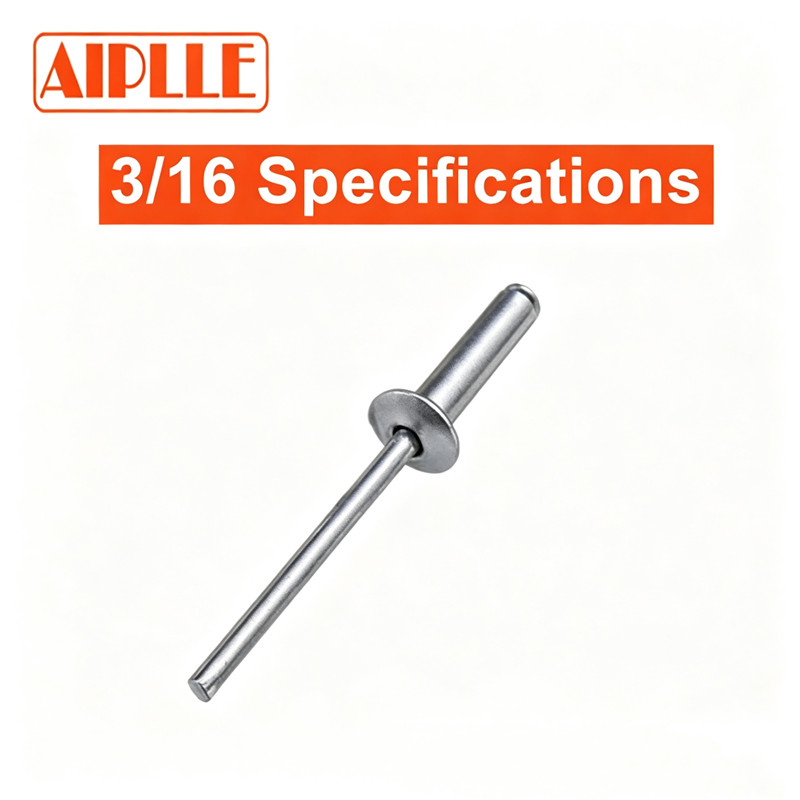
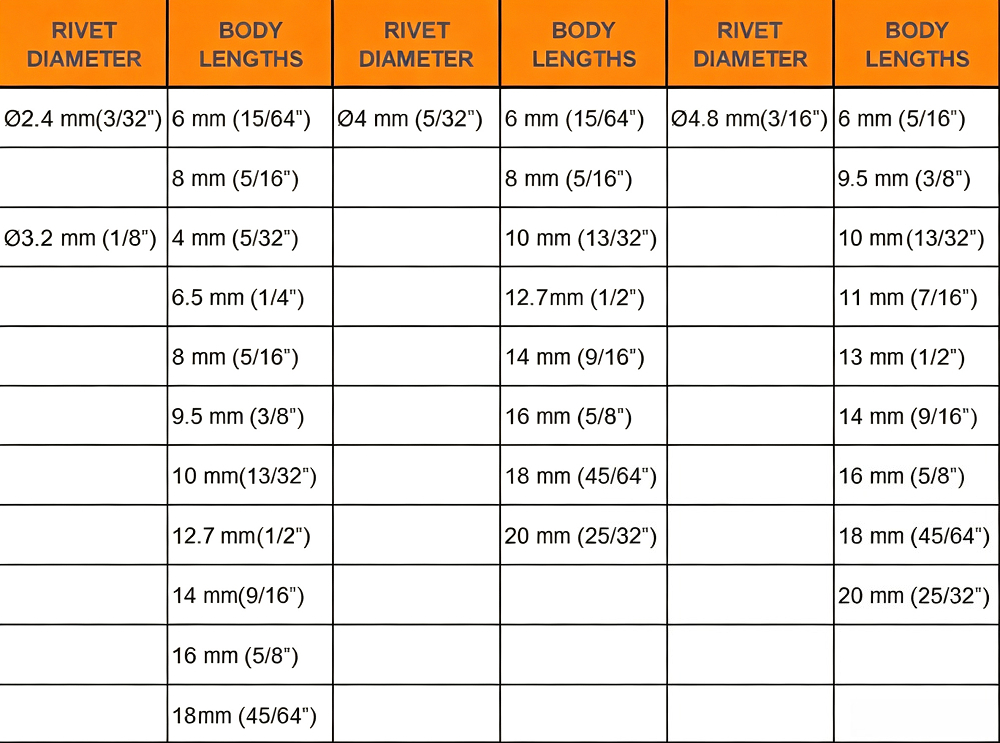
1.Drill a hole in the materials you want to join: The hole size has to match the diameter of the blind rivet you’re using—always check the rivet’s specifications to get this right. For example, if you’re using a 3/16-inch blind rivet, you’ll need a 3/16-inch drill bit. A hole that’s too big will make the rivet loose, while a hole that’s too small can damage the rivet or the material.
2.Insert the blind rivet into the pre-drilled hole: Make sure the rivet’s head sits flush against the material surface. If you’re using countersunk rivets (the ones with a flat head), the head should sit perfectly even with the material so there’s no protrusion.
3.Attach the blind rivet tool to the rivet’s mandrel: Slip the tool’s jaw over the mandrel (the exposed metal rod sticking out of the rivet). If you’re using a manual tool, squeeze the handles firmly. For pneumatic or electric tools, just activate the tool—they’ll do the hard work for you.
4.Pull the mandrel until it snaps off: As you pull the mandrel, the rivet’s body will expand on the backside of the materials, creating a tight, secure bond. Once the rivet is fully set, the mandrel will snap off cleanly—this is how you know it’s done right.
5.Inspect the installation: Take a quick look to make sure the rivet is secure (give it a gentle tug to test) and that the mandrel snapped off cleanly. If the rivet feels loose, or if the mandrel didn’t snap, you’ll need to start over with a new rivet—this usually means the tool wasn’t pulled tight enough or the hole size was off.
6.There are times when you’ll need to remove a blind rivet—maybe you made a mistake, or you’re disassembling a part.
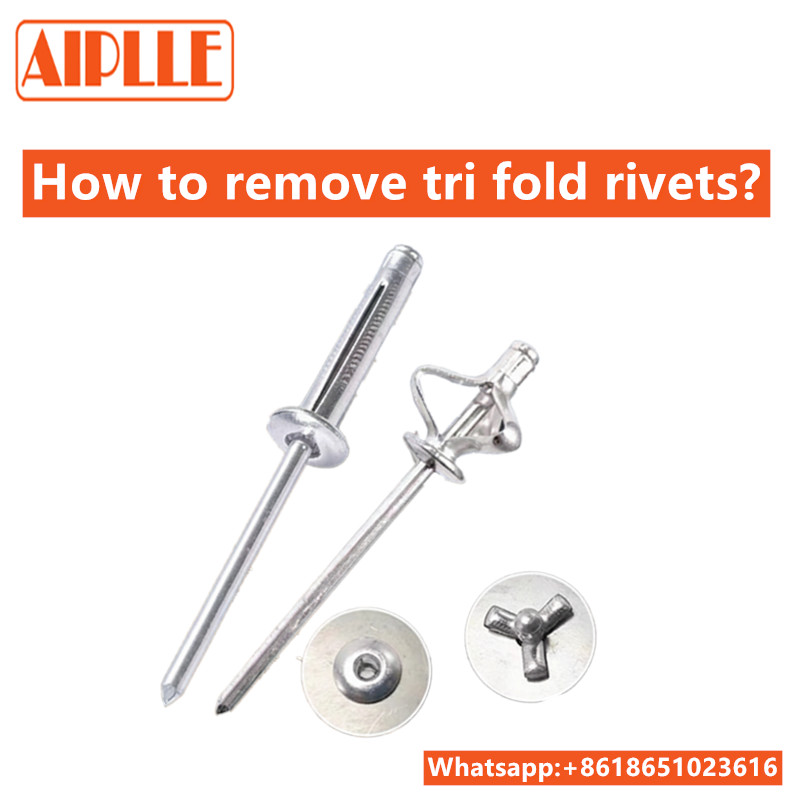
Here’s how to remove pop rivets the right way: Grab a drill with a bit slightly larger than the rivet’s mandrel. When drilling rivets, aim for the center of the rivet’s head and drill straight down until the head pops off. Then, use a pair of pliers to pull out the remaining rivet body from the hole. Be careful not to drill too deep—you don’t want to damage the materials underneath.
By sticking to these steps and using the right blind rivet tools for your project, you’ll nail blind rivet installation every time. know how these tools work and following the process will help you create strong, reliable connections that last.