Leave Your Message
Rapid-deployment blind rivets engineered for unilateral assembly, maximum shear modulus, and reliable fatigue resistance across multi-material structural joints.
In contemporary heavy industrial engineering, the aggressive pursuit of lightweight structures without sacrificing mechanical durability has catapulted aluminum rivets for high-strength structural fastening to the forefront of mechanical design. Traditional fastening modalities—such as bulky threaded steel bolts, heavy weld seams, and labor-intensive conventional solid rivets—are increasingly presenting severe drawbacks in high-velocity assembly lines, mixed-material assemblies (e.g., carbon-fiber-reinforced polymers bonded to lightweight alloys), and high-frequency dynamic stress environments.
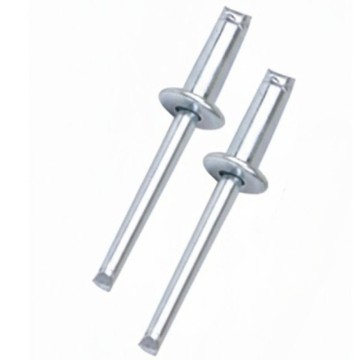
With modern structural aluminum blind rivets (breakstem structural rivets), global original equipment manufacturers (OEMs) achieve irreversible mechanical interlocks from a single side of the workpiece. This one-sided blind installation capability eliminates the physical necessity for rear access, massively streamlining automotive body-in-white (BIW) robotic fabrication, rail transit carriage construction, commercial aircraft skin reinforcement, and utility-scale solar mounting structures.
Commercial statistics reflect a compound annual growth rate (CAGR) exceeding 6.2% across global structural fastener markets, fueled decisively by the rapid electrification of passenger and commercial vehicles (EVs). In battery enclosure tray assemblies where electrical grounding, hermetic sealing against moisture intrusion, and extreme crash-impact shear absorption are paramount, high-strength aluminum structural rivets provide a non-sparking, thermally efficient, and non-magnetic joint solution that thermal welding simply cannot replicate without distorting sensitive substrate alloys.
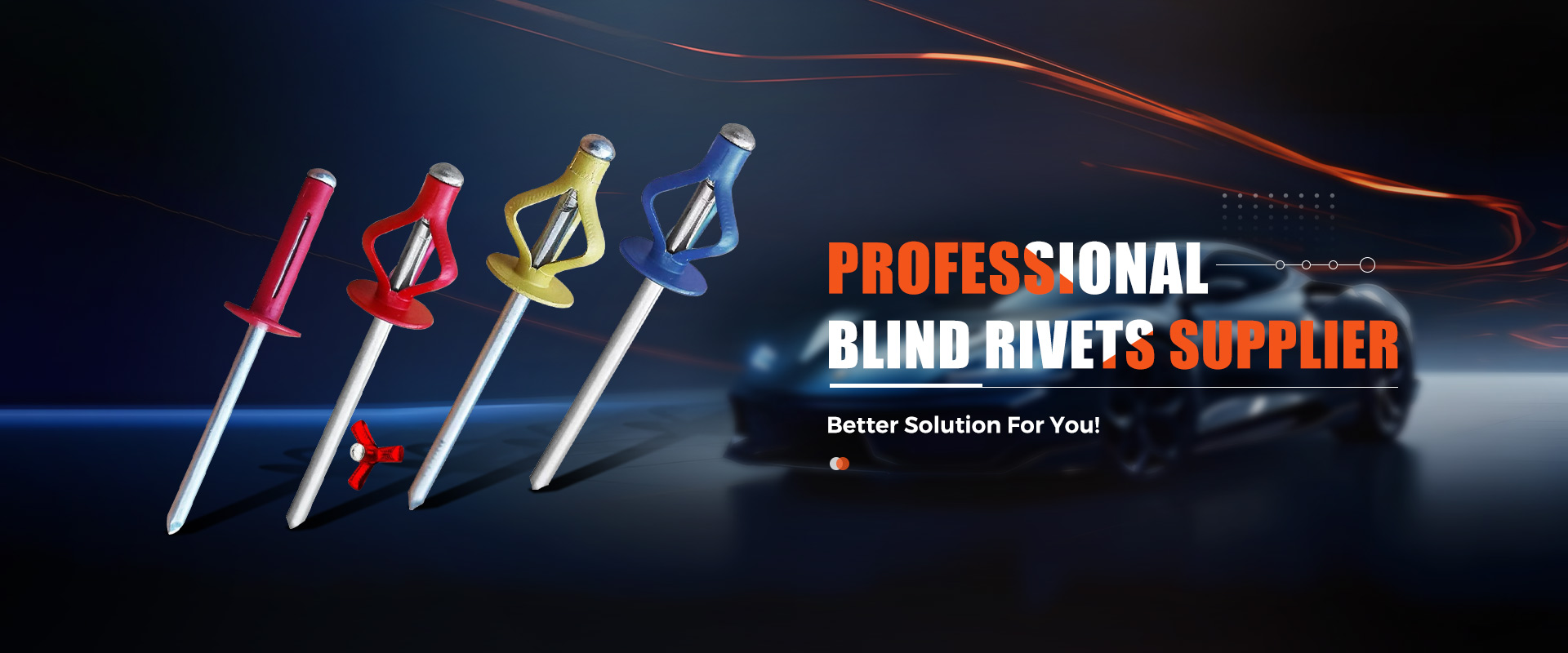
Unpacking how cold-heading grain structures, magnesium-silicon alloy formulations, and precision shear grooves deliver unyielding mechanical clamp loads.
The structural integrity of an aluminum fastener hinges on its specific metallurgical alloy composition. Standard commercial rivets often utilize generic 1000 or 3000 series aluminum, which exhibit high ductility but inadequate yield strengths under intense cyclical loading. Conversely, structural fastening demands high-magnesium aluminum alloys such as AlMg5 (AA5056) and AA5052, or heat-treatable AA6061-T6 and zinc-strengthened AA7075:
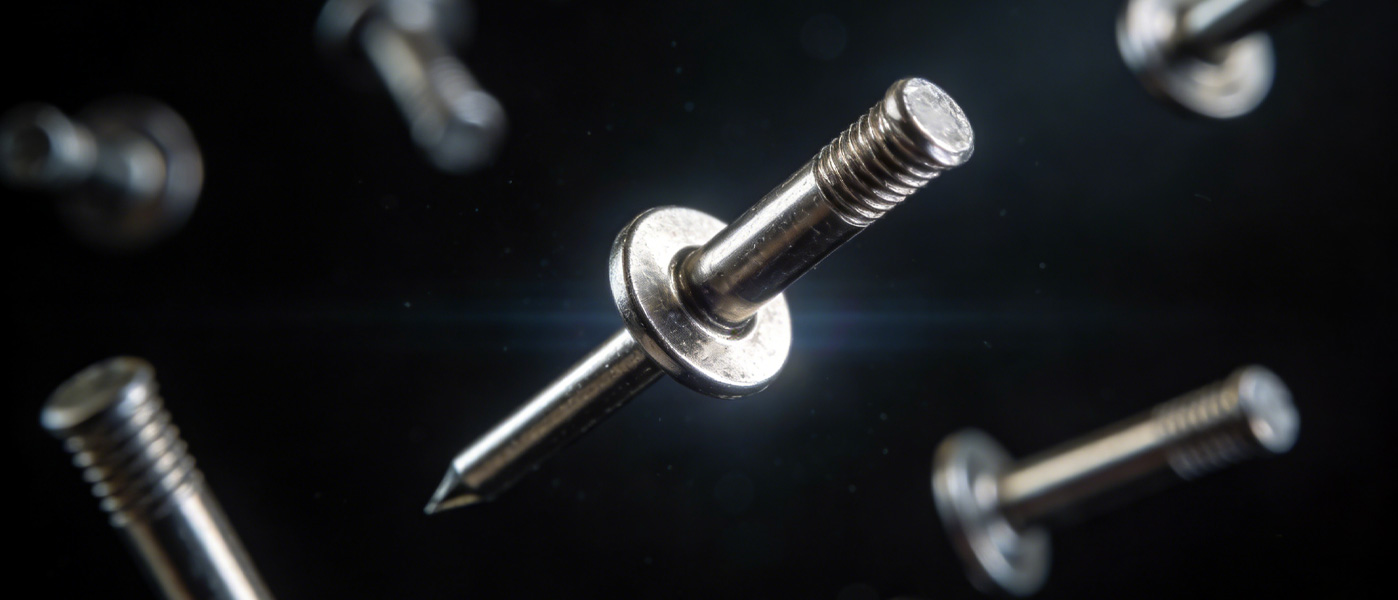
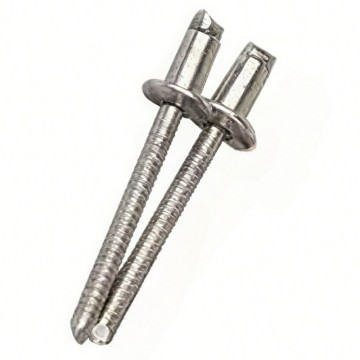
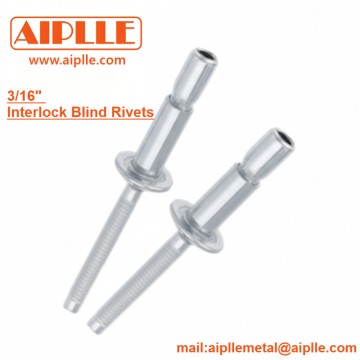
In standard commercial blind rivets, the mandrel simply fractures after buckling the sleeve tail, frequently leaving an open orifice or a loose mandrel stem that can cause rattles and short circuits. In contrast, high-strength structural aluminum rivets (such as Interlock, Monobolt, and Hemlock designs) integrate an intentional mechanical lock. As the mandrel head expands the structural sleeve, it cold-flows into an internal counterbore. The pulling tool's anvil then mechanically swages the rivet collar into the mandrel groove, creating a solid, vibration-proof core that bridges both shear planes.

| Fastener Category | Alloy Body / Mandrel Material | Nominal Diameter (mm) | Tensile Strength (kN) | Shear Strength (kN) | Typical Structural Application |
|---|---|---|---|---|---|
| Monobolt Structural Rivet | AA5056 Al / Hardened Steel Stem | 6.4 mm (1/4") | 7.2 – 8.8 kN | 8.5 – 11.2 kN | EV Battery Tray Enclosures & Commercial Truck Bodies |
| Interlock Heavy-Duty Rivet | AA5052 Al / Aluminum 7075 Stem | 4.8 mm (3/16") | 4.5 – 5.8 kN | 5.2 – 6.9 kN | Solar PV Tracker Purlin Clamping & Rail Interiors |
| Hemlock High-Clamp Rivet | High-Strength Aluminum / Steel | 6.4 mm (1/4") | 6.8 – 8.1 kN | 9.0 – 12.0 kN | Thin-Sheet Metal Stiffeners & Structural Ductwork |
| Large Flange Structural Rivet | AA5050 Al / Carbon Steel Pin | 4.8 mm (3/16") | 3.2 – 4.4 kN | 4.0 – 5.1 kN | Fiberglass / Composite to Aluminum Joint Fastening |
| Full Hex Heavy Rivet Nut | Aluminum 6061 Cold Forged | M6 – M12 Threads | 11.0 – 24.5 kN | High Push-Out Load | Blind Threading in Hollow Tubular Chassis Members |
From electric vehicle battery crash structures to aerospace skins and solar tracker arrays, explore how structural blind fasteners solve the toughest assembly challenges.
Automotive electrification demands structural aluminum fasteners that combine high clamp force with galvanic compatibility. Structural aluminum rivets eliminate heat-affected zones (HAZ) common with arc welding, preventing structural distortion in extruded 6000-series battery tray floors while ensuring crash-test load transfers exceeding 25G impacts without joint decoupling.
Modern bullet trains and regional commuter trains utilize extruded aluminum hollow sections. Structural blind rivets enable rapid joining of interior roof skins, floor stiffeners, and HVAC nacelles from the exterior face. The mechanically locked mandrel creates a solid plug that resists severe cyclical aerodynamic vibrations and pressure wave reversals inside tunnels.
Utility-scale single-axis solar trackers endure continuous torsional wind buffeting over a 30-year design life. Aluminum structural rivets provide superior fatigue life compared to standard self-drilling screws, which loosen under dynamic thermal cycling. Anodized aluminum rivet bodies completely neutralize galvanic degradation against aluminum mounting rails.
High-rise architectural cladding and ventilated rainscreens require fasteners capable of withstanding extreme positive and negative wind loads. Colorful painted aluminum dome head rivets blend seamlessly with PVDF-finished architectural panels while the wide bearing surface distributes pull-through loads across brittle composite skins.
Refrigerated semi-trailers require watertight, thermal-bridge-minimized structural joints across side panels, roof bows, and corner extrusions. Tri-fold and large-flange structural rivets distribute clamping loads over insulating foam cores without crushing delicate inner linings, resisting continuous highway road-torsion.
Industrial processing plants and offshore equipment skid frames face aggressive chloride and acidic atmospheric attack. Combining AA5056 aluminum rivets or 304/316 stainless steel rivets with passivated surface chemistry delivers zero corrosion pitting, maintaining load-bearing structural integrity in hazardous operational zones.
Explore our certified range of countersunk, large flange, structural lock-bolt, tri-fold, and heavy-duty blind rivet nuts designed for high-stress industrial applications.
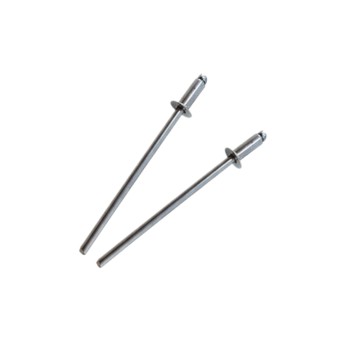
Flush surface aerodynamic finish for high-strength flush joint applications.
Learn Specifications →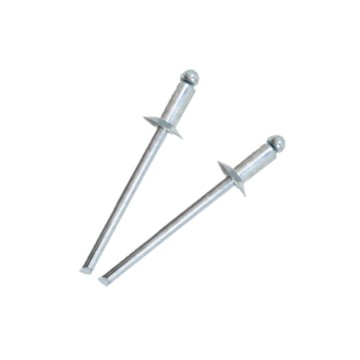
High-shear carbon steel construction for heavy mechanical chassis frames.
Learn Specifications →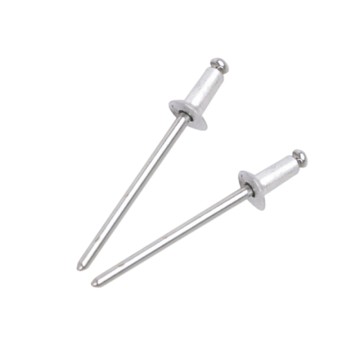
Lightweight aluminum body combined with hardened high-tensile steel core.
Learn Specifications →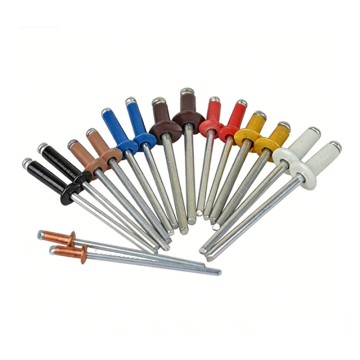
Electrostatically coated fasteners matching RAL color codes for facades.
Learn Specifications →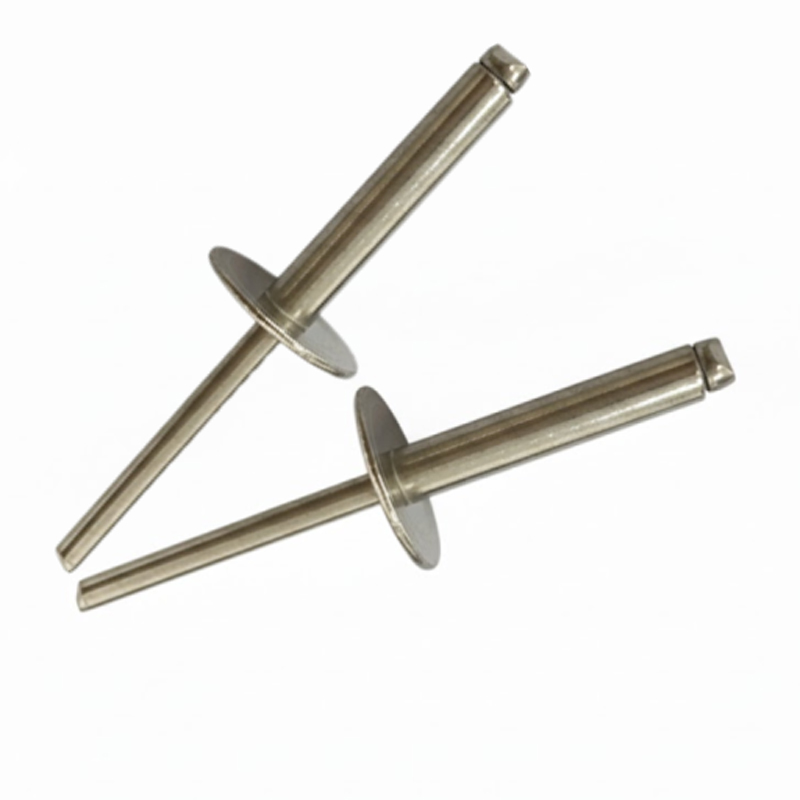
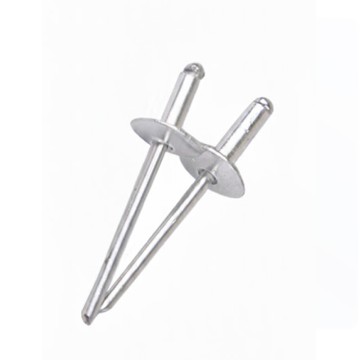
Broad flange distributing high clamp load across composite or plastic panels.
Learn Specifications →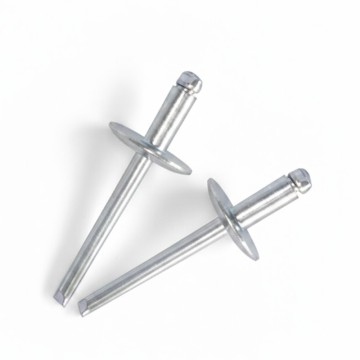
Engineered for high sheet pull-up force and vibration resistance.
Learn Specifications →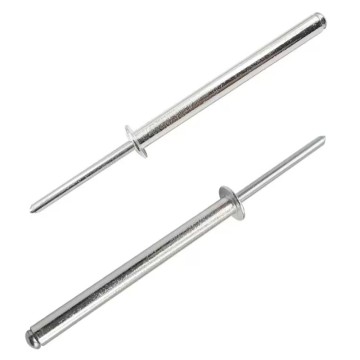
Ultra-long grip range accommodating thick multi-layer structural stacks.
Learn Specifications →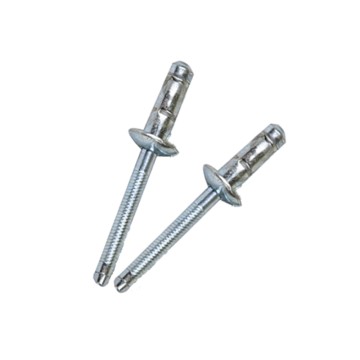
High-strength blind fastener creating an expansive rear footprint for thin materials.
Learn Specifications →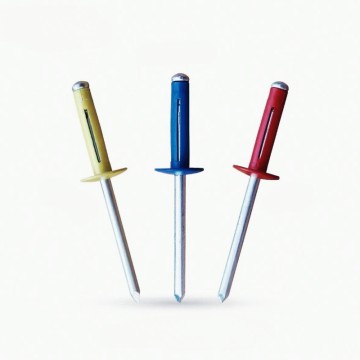
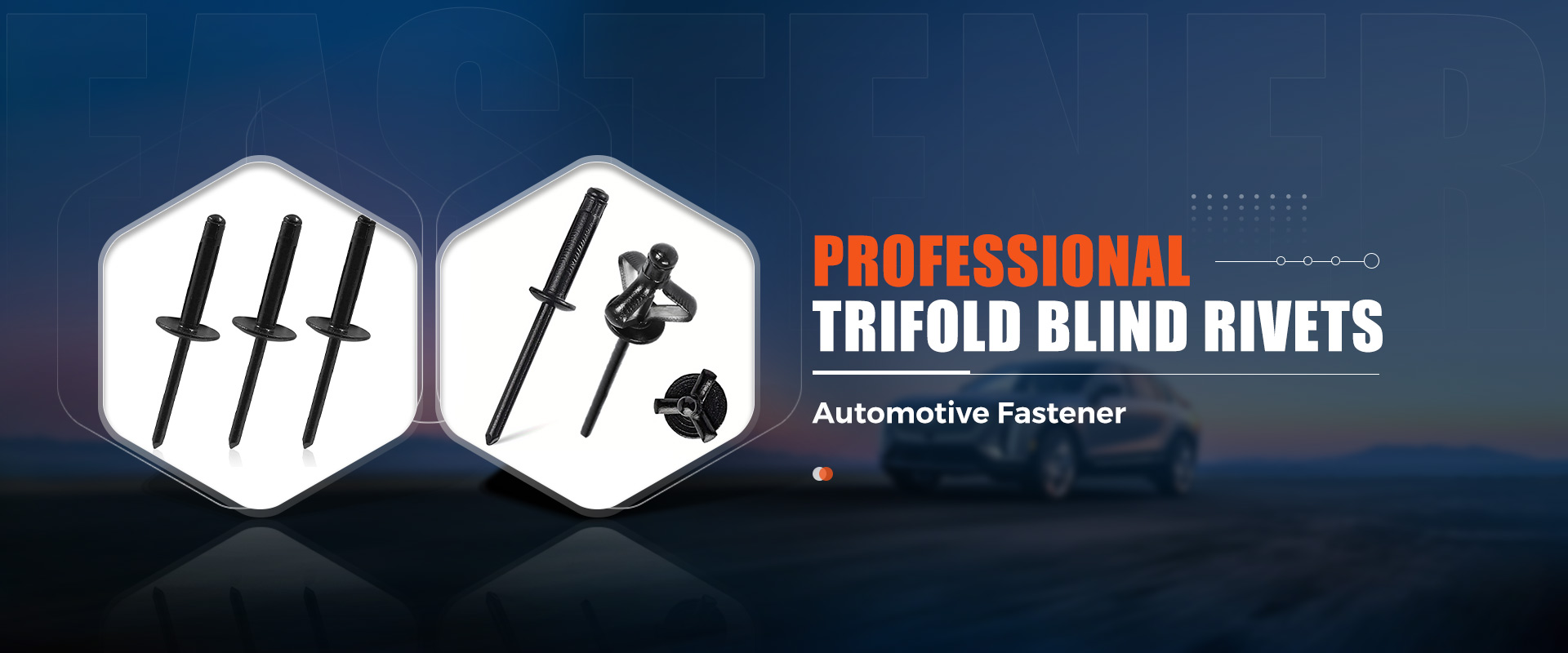
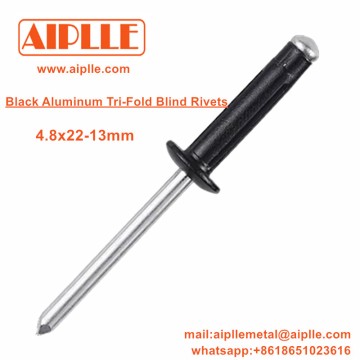
Three-wing folding rear expansion that securely clamps soft or brittle plastics.
Learn Specifications →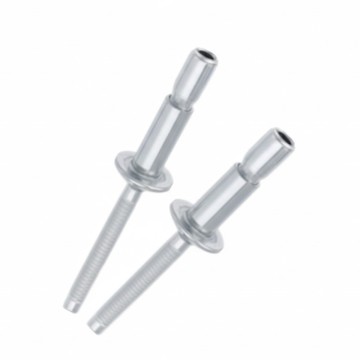
Positive mechanical stem lock providing extreme shear and tensile resistance.
Learn Specifications →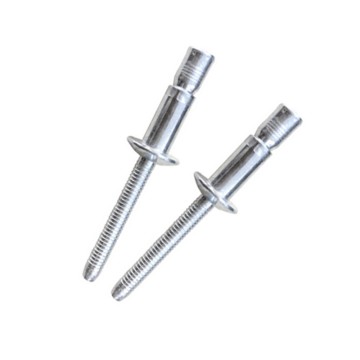
Premier structural blind rivet with multi-grip capability and 100% stem lock.
Learn Specifications →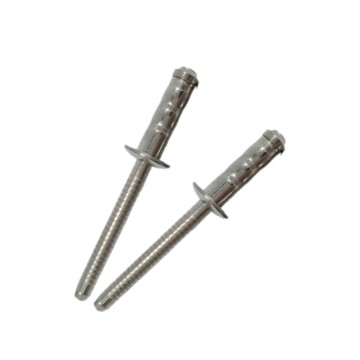
Adaptive grip diameter reducing component SKU varieties across production lines.
Learn Specifications →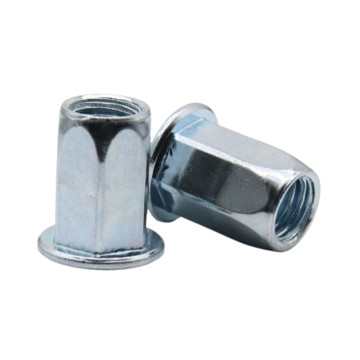
Hexagonal profile for absolute spin-out resistance in structural sheet metal.
Learn Specifications →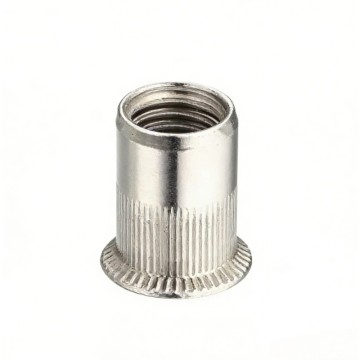
Knurled body delivering enhanced torsional resistance in round pre-drilled holes.
Learn Specifications →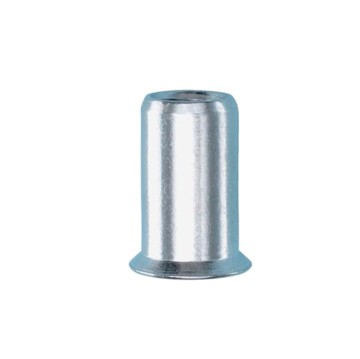
Flush-mount blind threaded inserts allowing through-bolt passage.
Learn Specifications →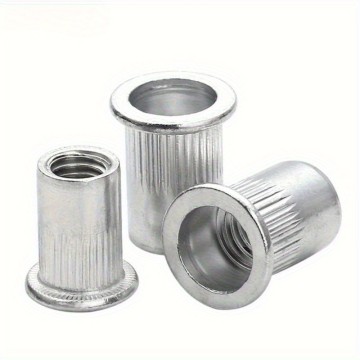
Broad bearing head preventing push-out under severe mechanical torque loads.
Learn Specifications →Integrating high-speed multi-station cold-forming with real-time optical sorting and AI-driven laser metrology to achieve zero-defect structural fastening.

Continuous unbroken grain flow during cold-heading ensures highest dynamic fatigue durability.

Internal mechanical locking prevents mandrel loss, rattles, and electrical shorts under violent vibration.

Specialized dielectric coatings and anodized barrier layers prevent bimetallic corrosion cells.

360-degree high-resolution optical sorters verify dimensional tolerances within ±0.02 mm.

Consistent mandrel chamfers and concentricity enable seamless integration into automated robotic cells.
As manufacturing transitions toward Industry 4.0, the installation of aluminum rivets for high-strength structural fastening is undergoing an unprecedented technological metamorphosis. Historically dependent on manual pneumatic hand tools, today's high-volume industrial assembly lines rely on integrated robotic riveting end-effectors linked directly to automated bowl feeders and pneumatic blow lines.
In automated smart assembly lines, each riveting cycle is monitored via closed-loop sensory feedback. Piezoelectric force transducers and linear optical encoders map the pull-stroke curve in real-time. If the rivet's setting load or mandrel-fracture displacement deviates by even fractions of a millimeter from the nominal curve, the supervisory AI system flags the joint instantaneously. This zero-defect monitoring ensures that every structural joint across an EV battery floor or railway coach frame satisfies structural aerospace-grade specifications before leaving the assembly cell.
Simultaneously, environmental decarbonization mandates are driving the adoption of circular-economy aluminum fasteners. By utilizing recycled low-carbon aluminum billets with high electrolytic purity, our fastening manufacturing process curtails embodied carbon emissions by up to 78% relative to conventional virgin steel fastener cold-heading lines.
Discover how our high-strength structural rivets and specialty fasteners deliver fail-safe performance across major worldwide industrial and infrastructure projects.



In-depth technical papers on pneumatic tool optimization, structural blind fastener mechanics, and galvanic compatibility.
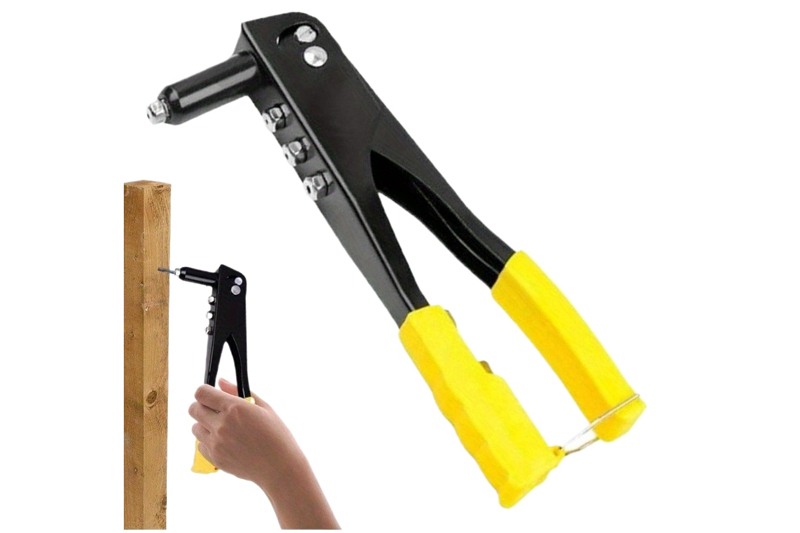
Discover how dynamic pressure fluctuations impact mandrel break-point consistency and joint clamp loads during high-volume assembly line operation.
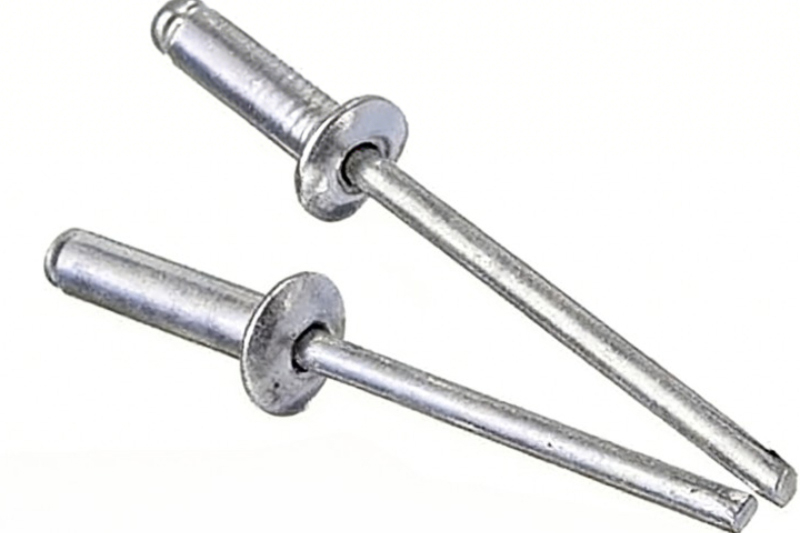
A comprehensive technical comparison between peel, tri-fold, multi-grip, and internal mechanical lock structural blind rivet geometries.
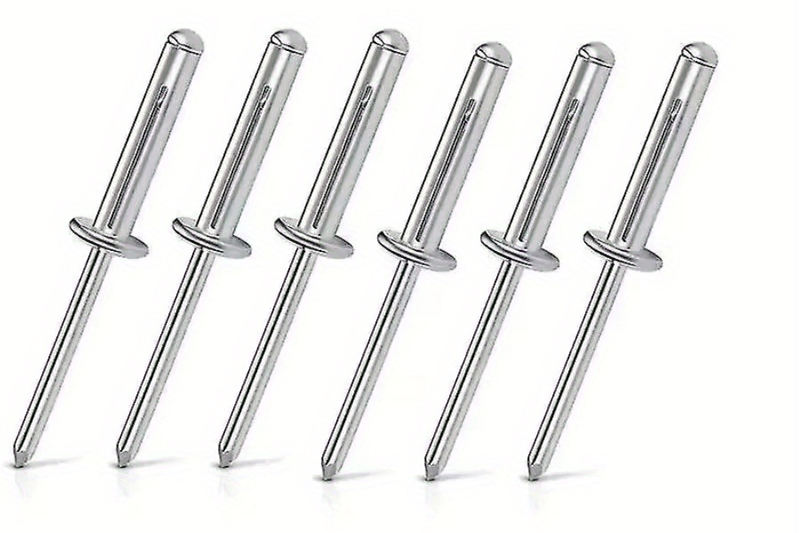
Detailed engineering analysis of hole preparation tolerances, grip range selection, and shear-tension load calculation formulas for structural engineers.
Direct access to our complete range of certified blind rivets, high-shear structural fasteners, and architectural coated rivets.
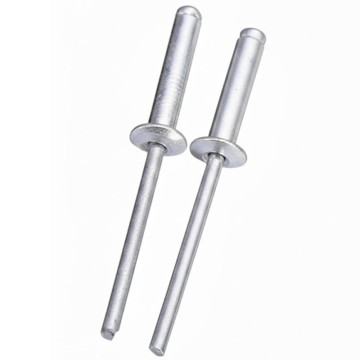
Connect directly with our fastener metallurgical engineers. We provide custom shear and tensile testing reports, CAD step models, joint thickness clamping recommendations, and sample packs tailored to your structural project.
Direct Engineering Hotline: +86 18651023616
Technical Inquiry Email: aipllemetal@126.com / jin801680@hotmail.com


A premier global manufacturer specializing in high-performance blind rivets, structural breakstem fasteners, and industrial rivet nuts. Engineered to international standards including DIN, ISO, IATF 16949, and ASTM.