
Leave Your Message
Precision-engineered one-sided fastening systems offering certified tensile performance and multi-grip flexibility for critical load-bearing assemblies.
Structural fastening systems have transitioned rapidly from legacy hot-driven solid rivets and high-heat arc welding toward high-performance mechanical blind fastening. In high-stress industrial assemblies, aluminium blind rivets for high-strength structural fastening solve critical mechanical dilemmas: providing exceptionally high strength-to-weight ratios, eliminating thermal stress concentrations, and drastically accelerating assembly cycles through single-sided installation.
Historically, aluminium rivets were confined to non-structural or light-duty sheet fastening due to lower shear thresholds compared to carbon steels. However, metallurgical advances in magnesium-silicon-aluminium alloys (such as cold-drawn 5052, 5056, and specialized heat-treatable 6061-T6 alloys) combined with precision-machined internal mechanical locking mandrels have established a new category: Structural Blind Breakstem Fasteners. These advanced blind fasteners deliver predictable clamp forces, superior shear capacities exceeding thousands of Newtons, and permanent positive mandrel retention that completely resists vibrational shake-out.
Standard blind rivets fracture the mandrel at an arbitrary neck without guaranteed pin retention, leaving a hollow rivet sleeve capable of handling only modest shear loads. In contrast, Structural Aluminium Blind Rivets feature engineered mandrel bulbing mechanisms, positive mechanical head locks, and internal sleeve swaging. When installed, the mandrel head expands the blind side uniformly while an integrated internal groove or collar locks the severed mandrel pin securely inside the shear plane, effectively transforming the hollow aluminium sleeve into a solid, reinforced structural pin.
The worldwide demand for high-strength aluminium structural rivets is expanding rapidly, propelled by four macro-industrial transformations:
1. Automotive Lightweighting & EV Battery Enclosures: As electric vehicle (EV) manufacturers aggressively strip mass from chassis, body-in-white (BIW), and battery tray housings to maximize operating range, multi-material lightweight engineering has become the standard. Welding dissimilar metals—such as 6000-series extruded aluminium to ultra-high-strength steel (UHSS) or carbon-fiber composites—is metallurgically challenging and prone to galvanic failure. Aluminium structural blind rivets provide high fatigue life, zero heat distortion, and dependable joint clamp integrity across mixed-material stack-ups without degrading substrate coating layers.
2. Utility-Scale Solar PV Structures: Solar racking trackers and elevated ground-mount arrays require millions of structural connections that endure cyclic wind gusts, thermal contractions, and dynamic torsional stress for over 25 years. Aluminium structural rivets are immune to fastener loosening under micro-vibrations, resist harsh outdoor atmospheric corrosion, and cut field installation time by more than 40% compared to traditional nut-and-bolt sets.
3. Rail Transit & Commercial Vehicle Body Building: Box trailers, refrigerated transport reefers, and rail passenger cars rely on aluminium blind rivets to maintain structural rigidity under constant highway bounce and track shock loads while delivering water-tight joint seals that protect interior cargo from moisture ingress.
4. Architectural Facades & Curtain Wall Cladding: Modern architectural envelopes specify structural aluminium rivets for exterior panel anchoring to withstand intense wind-uplift pressures while absorbing differential thermal expansion without fastener shear failure.
Engineered with locked-stem cores that sit squarely inside the joint's shear plane, delivering up to 250% higher shear load ratings than standard pop-rivets.
Mechanical internal swaging ensures 100% positive mandrel retention, permanently preventing loose pins from causing electronic shorts or joint fatigue rattling.
Constructed using marine-grade Al-Mg alloys (5052 / 5056) offering natural passivating oxide barriers and preventing galvanic corrosion against aluminium framing.
Advanced multigrip expansion characteristics bridge inconsistent hole diameters and varying plate thickness variations without compromising clamp preload.
Closed-end cups and 360-degree radial bulbing provide gas- and water-tight sealing up to IP67 standards, critical for battery packs and outdoor enclosures.
Dimensional tolerances manufactured to automated feeding standards, enabling continuous high-speed pneumatic and battery-tool assembly down to 1.2s per cycle.
Comparative mechanical metrics illustrating how specific aluminium alloy grades perform under standardized structural shear and tensile testing protocols.
| Rivet Specification / Alloy | Nominal Diameter | Typical Grip Range | Tensile Strength (Min) | Shear Strength (Min) | Mandrel Retention | Primary Industrial Use |
|---|---|---|---|---|---|---|
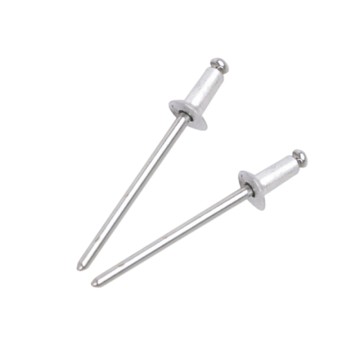
| 5056 Al-Mg Tri-Fold Structural | 4.8 mm (3/16") | 1.5 mm – 6.5 mm | 2,900 N | 3,400 N | Internal Mechanical Lock | Thin-gauge metals, composites, plastics |
| 6061-T6 Monobolt Style Aluminium | 6.4 mm (1/4") | 2.0 mm – 9.5 mm | 4,800 N | 5,600 N | Visible Outer Ring Lock | EV Battery trays, chassis subframes |
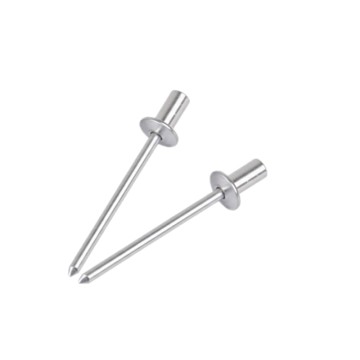
| 5052 Closed-End Seal Rivet | 4.0 mm (5/32") | 1.0 mm – 5.0 mm | 1,800 N | 2,200 N | Encapsulated Mandrel Ball | HVAC ducts, fluid tanks, cleanrooms |
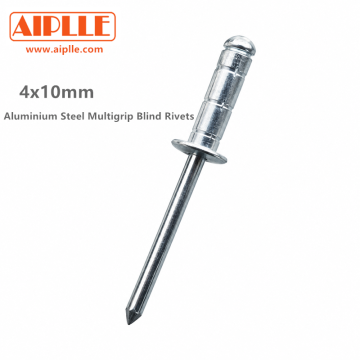
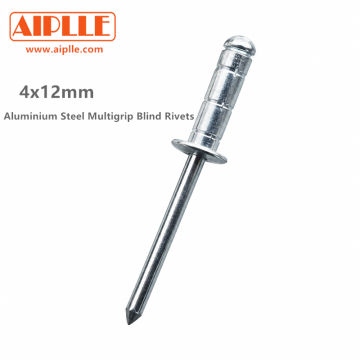
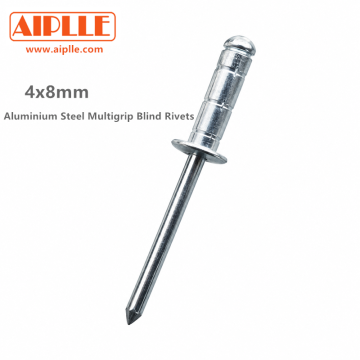
| Aluminium/Steel Multigrip Rivet | 4.0 mm / 4.8 mm | 1.6 mm – 11.0 mm | 2,100 N | 2,600 N | Frictional Groove Swage | Solar ground mounts, rail wall panels |
| Countersunk (CSK) Structural Aluminium | 4.8 mm (3/16") | 2.0 mm – 7.0 mm | 2,700 N | 3,200 N | Flush Locked Mandrel | Aerospace fairings, aerodynamic trailers |
When an aluminium structural blind rivet is actuated, the tensile pulling force applied to the mandrel exerts intense compressive force on the blind-side sleeve. As the yield point of the aluminium alloy is crossed, the sleeve plastically deforms outward to create a substantial blind-side footprint. This footprint distributes the clamping load over an area up to three times greater than standard rivet upsets, preventing tear-out or crushing when fastening softer parent materials such as thin-gauge aluminium sheet, glass-reinforced polymers, or honeycombed core panels.
Simultaneously, the high hoop stress generated within the rivet body radially expands the shank outward, creating an intimate 360-degree interference fit against the walls of the drilled pilot hole. This hole-filling capability eliminates micro-play and joint slippage, which is the root cause of cyclic fatigue failure in dynamic structural environments such as high-speed trains and wind turbine nacelle shrouds.

WUXI AIPLLE METAL PRODUCTS CO., LTD. is an international technological benchmark in high-precision cold-forming and automated blind fastener production. Operating comprehensive multi-station cold heading machinery, high-speed sorting optics, and digital metallurgy testing labs, we deliver blind fasteners conforming rigorously to ISO 9001 and IATF 16949 automotive quality management standards.
Every production batch of our structural aluminium rivets undergoes rigorous shear verification, tensile pull testing, salt-spray corrosion analysis (ASTM B117 standards exceeding 1,000 hours), and computerized optical inspection to guarantee zero-defect insertion rates on high-speed robotic assembly floors.

Optimized internal taper generates intense residual clamp tension across multi-layer sheet stackups.

100% automated optical sorting sorting guarantees precise head diameter, pin length, and groove geometry.

Anodized, clear-passivated, or customized powder finishes to resist saline and aggressive chemical exposures.

Instantaneous single-operator installation requiring no pre-tapped threads, backing nuts, or weld clean-up.

Full batch traceability with standardized mechanical test reports provided under ISO 14589 compliance.
Examining field installations where structural aluminium fasteners replaced traditional bolted or welded joints to achieve superior durability and lower total operating costs.
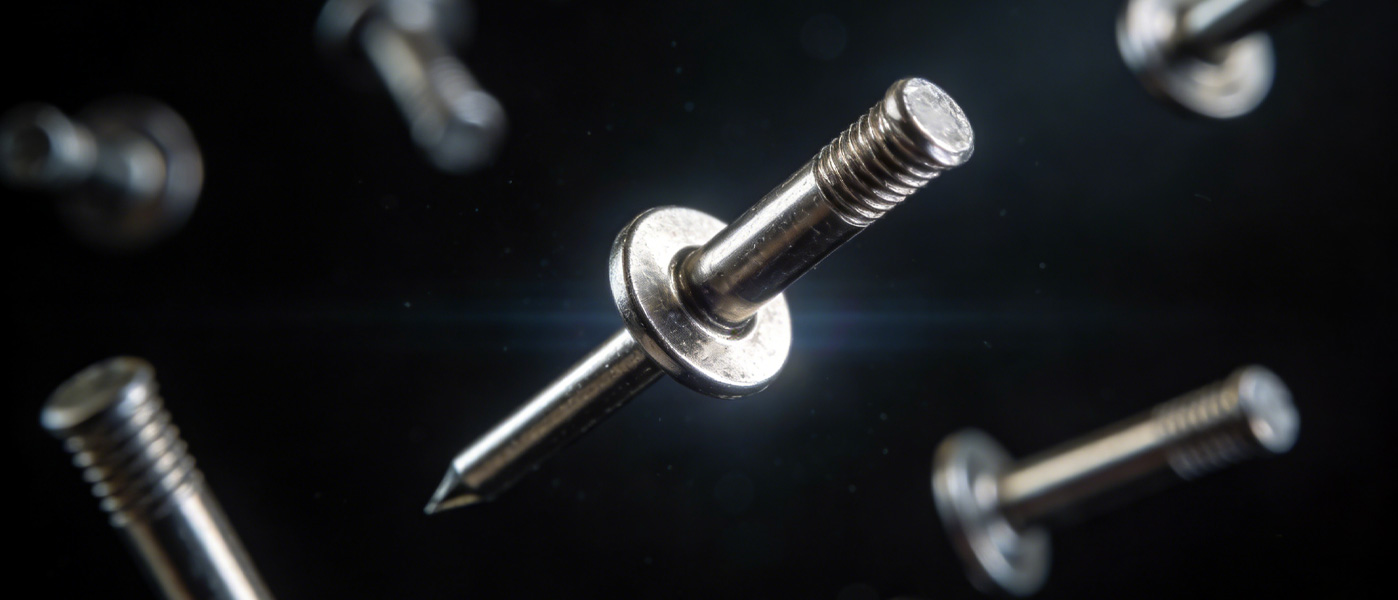
Deployed sealed aluminium blind rivets across corrosive vapor recovery ducting, avoiding hazardous welding permits and ensuring IP66 vapor tightness.
Explore Application →
Fastened composite honeycomb wall partitions using large-flange countersunk aluminium blind fasteners, preserving architectural flushness with zero particulate outgassing.
Explore Application →
Replaced solid steel rivets with high-shear 6.4mm structural aluminium rivets, shedding 320 kg per trailer body while resisting continuous torsional vibration on unpaved roads.
Explore Application →Expert guidelines covering pneumatic tool calibration, air pressure settings, and mechanical design criteria for blind fastening assemblies.
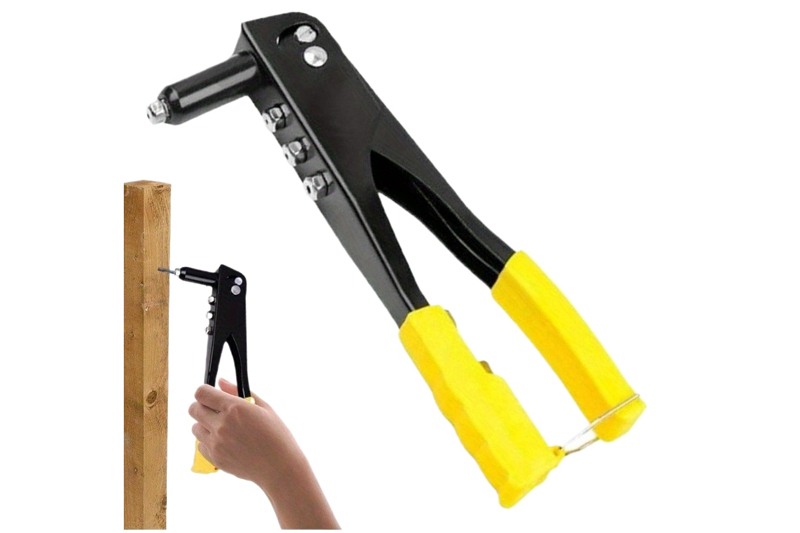
Maintaining uniform 6.2–7.0 bar operating air pressure ensures repeatable mandrel pulling speed, prevents premature stem snapping, and guarantees solid blind-side upset formation.
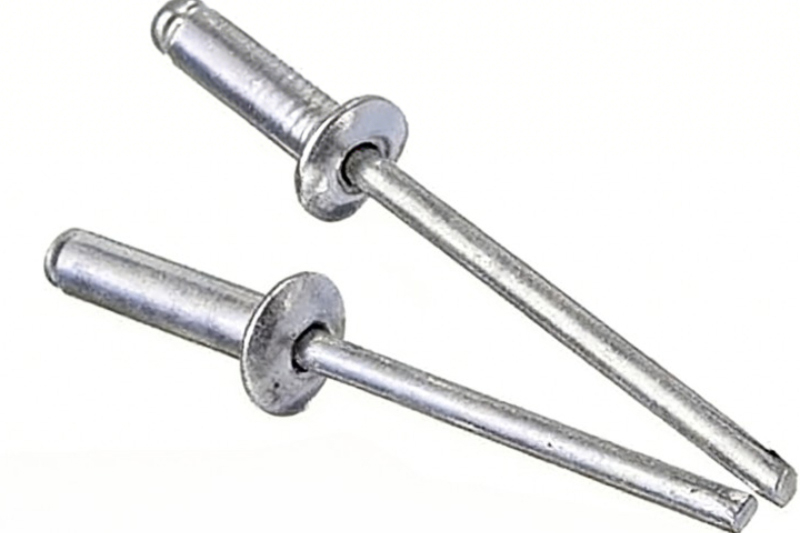
A complete engineering guide breaking down the mechanical strengths, blind footprint spreads, and dynamic fatigue advantages of tri-fold, multi-grip, and sealed rivet types.
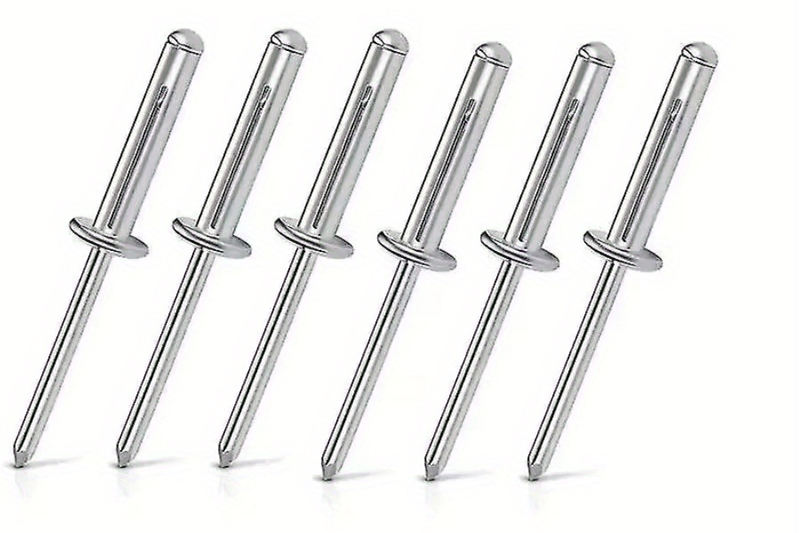
Understanding how blind-hole depth tolerances, grip-to-thickness matching, and mandrel hardness play decisive roles in ensuring non-destructive joint longevity.
As Industry 4.0 matures, the integration of Aluminium Blind Rivets in smart manufacturing is redefining factory automation. Modern industrial assembly lines are increasingly pairing high-precision structural rivets with digital torque-and-stroke monitoring tooling. Real-time sensorized rivet guns capture the exact force-displacement curve of each rivet setting cycle. By cross-referencing this curve against AI algorithmic models, the system immediately verifies joint thickness compliance, detects missing sheet layers, flags under-sized hole diameters, and registers absolute mandrel break-stem confirmation—achieving 100% in-process quality control without destructive testing.
From a lifecycle sustainability viewpoint, aluminium structural fasteners are vastly superior to welding and permanent chemical adhesive bonding. Vehicles, electrical cabinets, and building structures constructed with aluminium blind fasteners can be easily disassembled at end-of-life using simple high-speed drilling methods. This clean mechanical separation allows 100% recycling of both the structural aluminium panels and the rivet alloy, eliminating toxic adhesive incineration residues and promoting closed-loop circular economy principles.
To ensure maximum joint reliability when designing with aluminium structural blind rivets, mechanical design engineers should verify the following parameters:
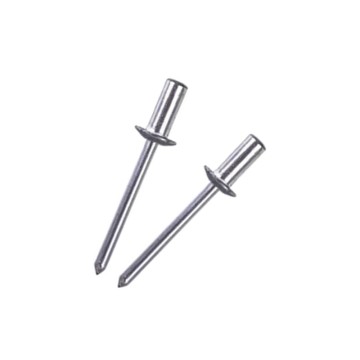
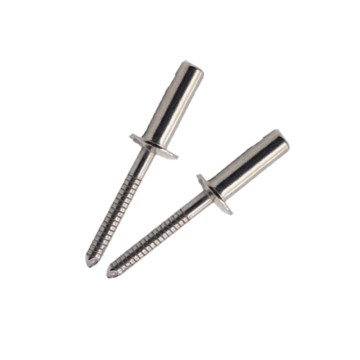
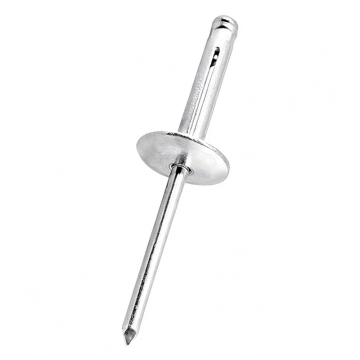
Explore our complete manufacturing catalog of structural blind fasteners, engineered across all-steel, high-alloy stainless steel, and structural aluminium combinations.
Consult with our technical engineering group regarding shear requirements, hole dimensions, surface anodizing, and automated assembly tool integration.